Pro Tips for Best Results
I tested the water temperature three different ways, and here’s what I learned: boiling water is too aggressive. It can make the lemon juice taste bitter and may lessen the natural benefits of the honey. Water that’s just under a boil, where the bubbles are rapid but not violently rolling, is perfect. If you don’t have a thermometer, just bring it to a boil and then let it cool for a minute. This small wait makes a noticeable difference in the smoothness of the final drink.
The stirring step is non-negotiable. Honey is thick and wants to sink to the bottom. You must stir vigorously for a good 15-20 seconds to ensure it fully incorporates into the water. I like to stir in one direction, then the other, until the liquid becomes uniformly amber-colored and slightly opaque. This ensures every sip is perfectly balanced, not cloyingly sweet at the end.
For an even deeper flavor, try this trick I now swear by: after juicing the lemon, I sometimes drop the spent lemon half (rind and all) right into the mug before adding the hot water. Let it steep for a minute or two before fishing it out. The hot water pulls incredible oils and a subtle bitterness from the lemon peel that rounds out the flavor beautifully and adds another layer of complexity to this simple drink.
Common Mistakes to Avoid
The biggest mistake I made the first few times was rushing. I’d be so eager for comfort that I’d pour the water straight from a rolling boil. The result was a drink that tasted a bit “cooked” and harsh, and it didn’t soothe my throat as effectively. Don’t do what I did. Let the water rest for that brief moment. It feels like a delay, but it’s actually part of the mindful, caring process of making this for yourself.
Another common pitfall is using old, stale spices. That jar of cinnamon that’s been in the back of your spice cabinet for two years? It’s lost its punch. A fresh, fragrant pinch of cinnamon is warming and gentle; a stale one tastes dusty and flat. Give your cinnamon a quick sniff before using it. If it doesn’t smell sweet and spicy, it’s time for a new jar. This one ingredient makes a huge difference between a good drink and a great one.
Serving Suggestions
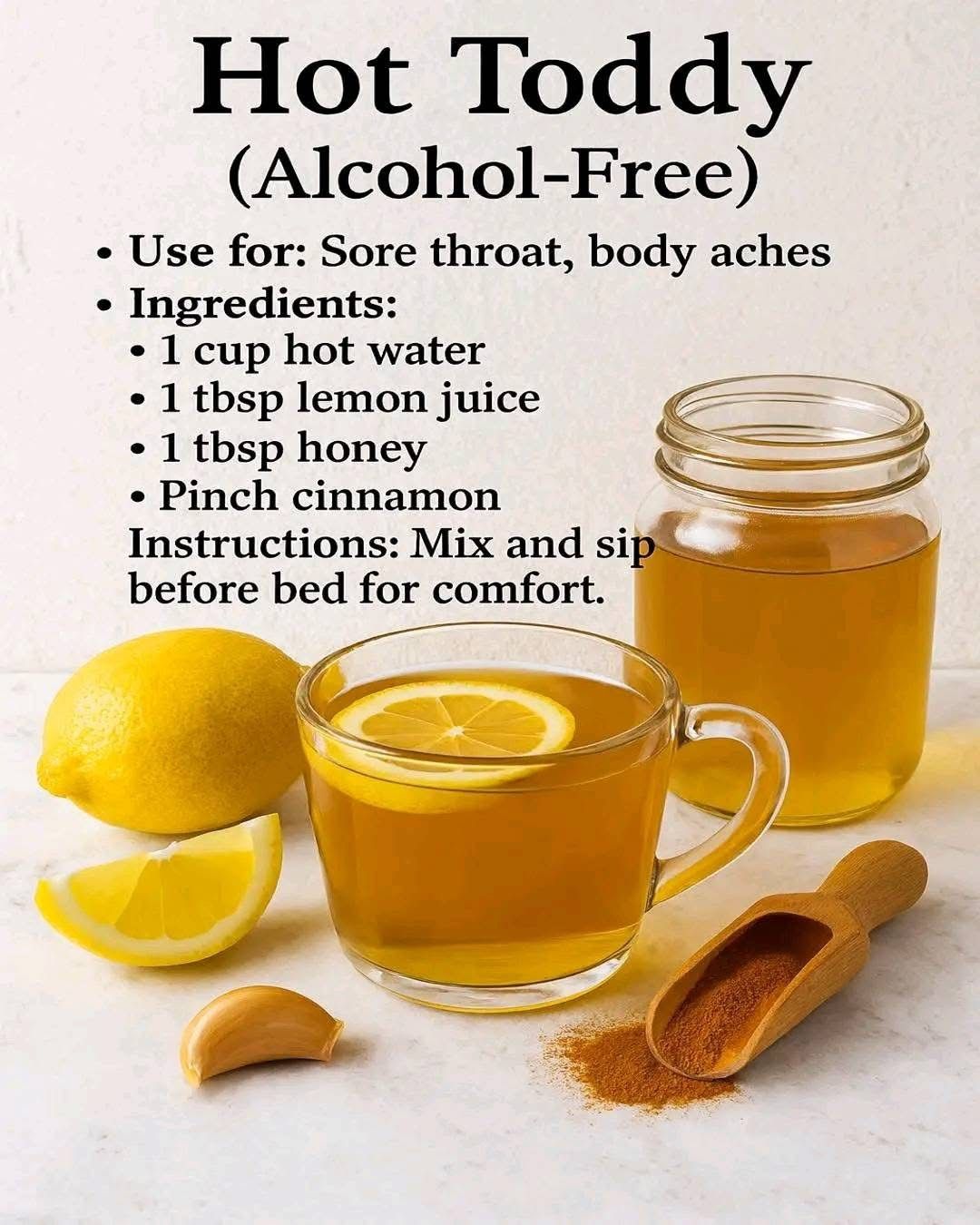
I almost always serve this Alcohol-Free Hot Toddy just as it is, steaming in my biggest, comfiest mug. The ritual is in the holding as much as the drinking. If I’m making it for someone else feeling unwell, I love to present it on a small tray with the cinnamon stick standing upright like a little flag of care, and maybe a folded napkin underneath. It turns a simple remedy into a thoughtful gesture.
While it’s perfect solo, I sometimes pair it with the simplest of foods if I need a little something. A plain piece of dry toast or a couple of plain crackers can be soothing on a queasy stomach. For a cozy night in that’s not illness-related, I think it pairs wonderfully with a buttery shortbread cookie or a simple slice of ginger cake—the spices complement each other so well.
I like to think of the serving vessel as part of the experience. I have one particular hand-thrown mug that I reserve just for this drink. Its imperfect shape and weight feel grounding in my hands. Find your own special mug for this; it enhances the feeling that this is a dedicated act of kindness for yourself, not just another beverage.
Variations & Customizations
One of my favorite variations is the Ginger Zinger. I keep a knob of fresh ginger in my freezer for this very purpose. I’ll grate about half a teaspoon (or more, if I’m really stuffed up) directly into the mug before adding the hot water. Let it steep for a full 5 minutes—the spicy, warming kick of ginger is incredible for congestion and adds a whole new dimension of heat.
For a more herbal, floral note, I sometimes add a sprig of fresh thyme or a single whole clove along with the cinnamon. The thyme is surprisingly lovely and feels very healing. If I have a sore throat that’s particularly angry, I’ll even stir in a tiny pinch of cayenne pepper (really, just the tip of a teaspoon). It sounds wild, but the capsaicin can provide a fantastic soothing effect—just start with a minuscule amount!
On evenings where I’m just chilly and not sick, I turn this into a “Cozy Night In” version. I use a chai tea bag as the base instead of plain hot water, steeping it first, then removing it and adding the lemon, honey, and cinnamon as usual. It creates a spiced, caffeine-free chai-toddy hybrid that is absolutely divine while reading a book by the fire.
How to Store, Freeze & Reheat
Honestly, this is a drink best made fresh, single-serving by single-serving. The fresh lemon juice doesn’t hold up well, and the flavors are at their brightest right after mixing. I don’t recommend making a large batch to store in the fridge, as it will separate and the lemon will become unpleasantly bitter after a few hours. The magic is in the immediacy.
That said, you can prep a dry mix for convenience. In a small jar, I’ll sometimes mix together 1 tablespoon of honey powder (or coconut sugar) with a teaspoon of citric acid (to mimic the lemon) and a 1/2 teaspoon of cinnamon. Then, when I need it, I just add one heaping teaspoon of the mix to my mug and pour hot water over it. It’s not quite as good as the fresh version, but it’s a fantastic shortcut for when you’re really feeling poorly. Never try to freeze or reheat a pre-made liquid version—it just won’t work.
Conclusion
This Alcohol-Free Hot Toddy has become more than a recipe in my home; it’s a signal to slow down, to listen to my body, and to offer myself a moment of pure, uncomplicated comfort. Whether it’s fighting off a winter chill or soothing a scratchy throat, this steaming mug has never let me down. I hope it finds its way into your kitchen and becomes your own go-to remedy for cozy nights and self-care. Now, go put the kettle on. You deserve it.