Step-by-Step Instructions
First, we build our foundation. Preheat your oven to 350°F (175°C) and get your large pot of salted water boiling for the egg noodles. Cook them just to al dente—about 6-7 minutes—because they’ll continue to soak up sauce and cook in the oven. Soggy noodles are the enemy of a good casserole! While they boil, I heat my Dutch oven over medium-high and brown the ground beef with the diced onion. This is where the magic starts; the smell of beef and onion cooking together is pure comfort. I drain any excess fat, then stir in the minced garlic for just 30 seconds until fragrant. Here’s a timing mistake I learned: adding the garlic too early can burn it, leaving a bitter taste.
Next, we create the creamy, dreamy sauce. In a large bowl, I whisk together the two cans of soup, sour cream, whole milk, Worcestershire sauce, paprika, and a good crack of black pepper. It will look like a thick, pinkish-orange concoction. I then drain my al dente noodles and add them directly back to their warm pot. I pour the soup mixture over them and add the cooked beef and onion. Now, roll up your sleeves and gently fold everything together until every noodle is coated in that luscious sauce. I’ve tried mixing in the skillet, but doing it in the big pot gives you the most room to combine everything evenly without breaking the noodles.
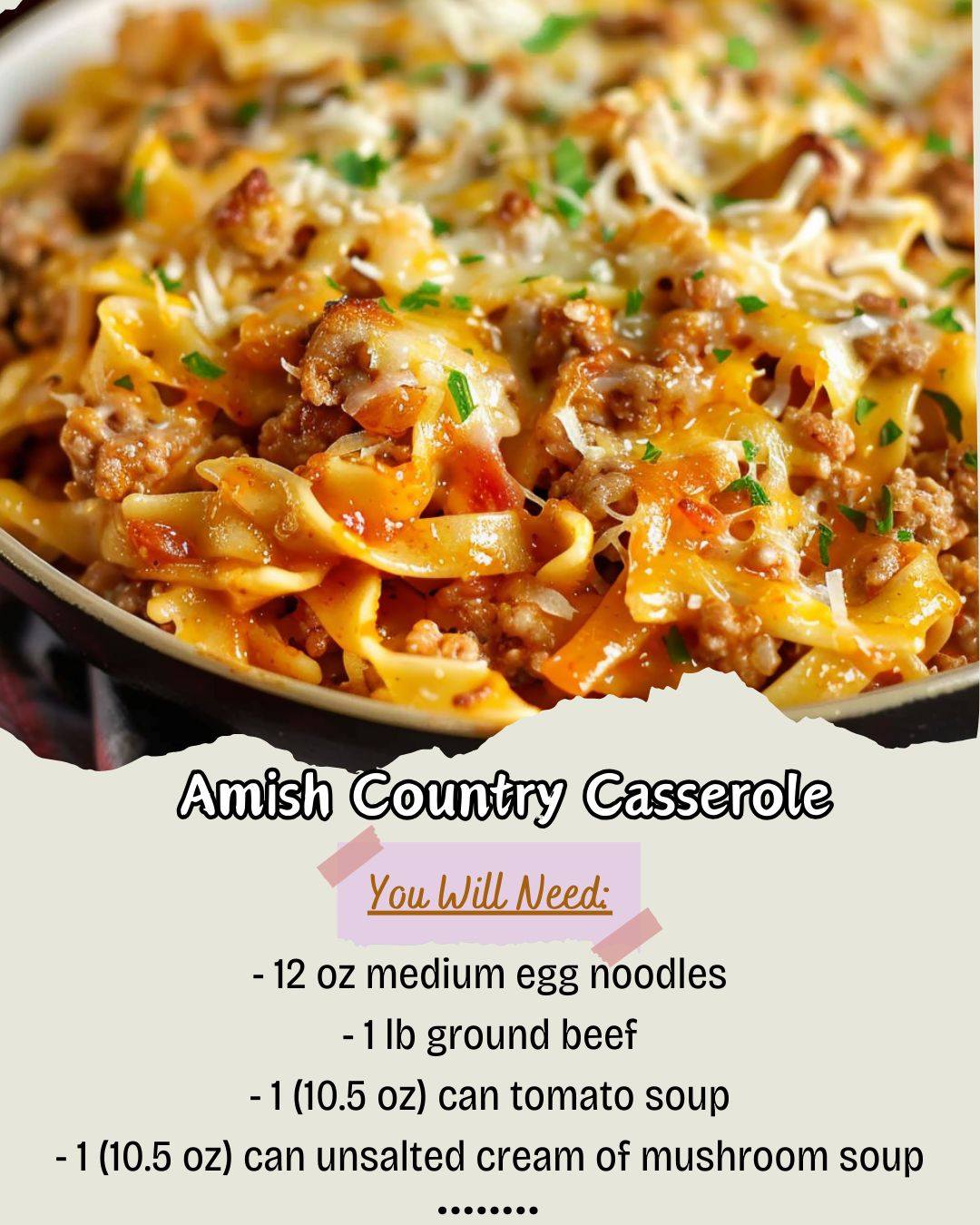
Finally, we assemble and bake. I transfer the entire mixture into my prepared 9×13 dish, spreading it into an even layer. I then blanket the top evenly with the shredded cheddar cheese. The cheese is key for that gorgeous, golden-brown crust. I cover the dish tightly with aluminum foil and bake for 25 minutes. Then, I carefully remove the foil—watch out for the steam!—and bake for another 15-20 minutes, completely uncovered, until the cheese is fully melted, the edges are bubbling vigorously, and the top has those beautiful browned spots. Let it rest for 10 minutes before serving; this patience allows the sauce to set so you get perfect slices, not a runny mess.
Pro Tips for Best Results
Let the casserole rest after baking. I know it’s tempting to dive right in, but those 10 minutes of rest time are not a suggestion—they are a rule. I tested this three different ways: serving immediately, after 5 minutes, and after 10. The difference is staggering. Resting allows the hot, bubbling liquids to be re-absorbed by the noodles, transforming the texture from slightly soupy to perfectly set and sliceable. It also makes it safe to eat without scorching your mouth! This simple step elevates the dish from a hurried weeknight meal to a company-worthy casserole.
Grate your own cheese. I used to buy pre-shredded bags for convenience, but here’s what I learned the hard way: they contain anti-caking agents (like potato starch or cellulose) that prevent the cheese from melting as smoothly. When I finally tried shredding a block of sharp cheddar myself, the result was a silkier, more cohesive cheese layer that browned beautifully. The flavor was also noticeably sharper and richer. It adds just two minutes to your prep time, but trust me, it’s one of the easiest upgrades you can make for a significantly better result.
Don’t be shy with the seasoning in your boiling water and beef. Egg noodles need a well-salted cooking water to taste their best from the inside out. I aim for water that tastes like the sea. When browning the beef, I season it generously with salt and pepper. The canned soups bring saltiness, but seasoning in layers as you cook builds a deeper, more complex flavor profile in the final dish. I also add that dash of paprika and Worcestershire sauce to the sauce mixture—they add a subtle depth and umami that makes the casserole taste like it simmered for hours, not minutes.
Common Mistakes to Avoid
The biggest mistake I made the first time was overcooking the noodles initially. I boiled them for the full package time, which left them mushy and broken after their second bake in the oven. It turned the casserole into a bit of a paste. Don’t do what I did! Pull them out when they’re just tender but still have a definite bite (al dente). They will finish cooking perfectly in the sauce, retaining their shape and giving the dish a much better texture.
(See the next page below to continue…)