Pro Tips for Best Results
I tested the fat source three different ways: with almond milk, with yogurt, and with full-fat coconut milk. The coconut milk version was the clear winner, not just in creaminess but in how satisfied and energized I felt afterwards. The healthy fats are essential for nutrient absorption and make this smoothie a legit mini-meal that keeps me full for hours. Don’t skimp here; it makes a huge difference.
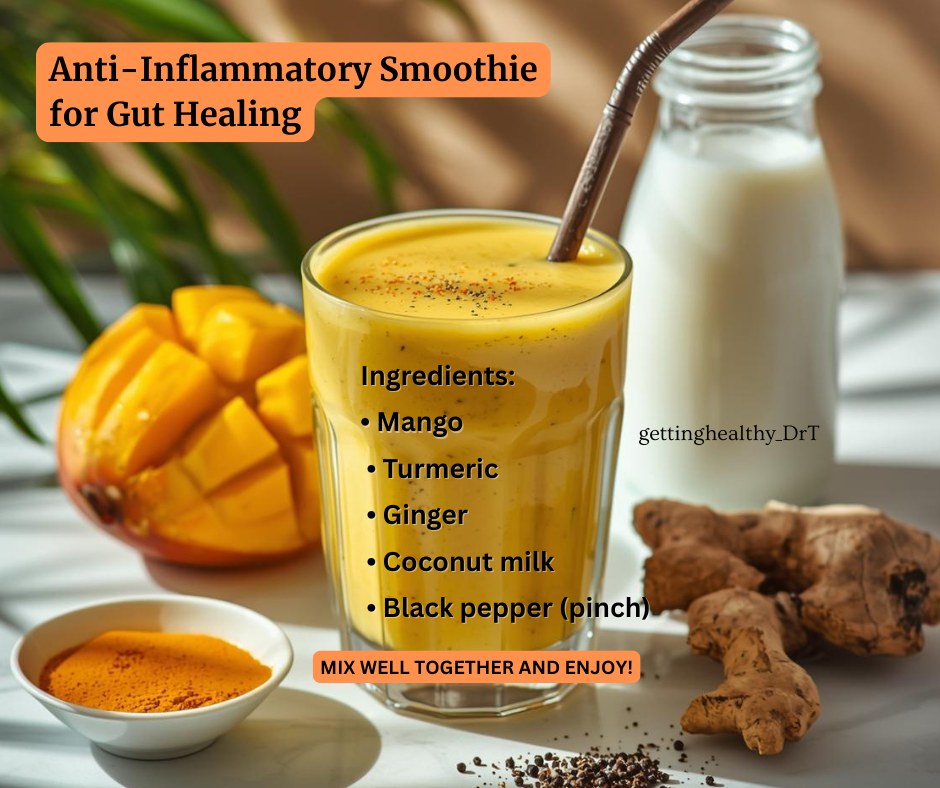
For the most potent anti-inflammatory punch, always pair your turmeric with fat and black pepper. I learned this the hard way after making “golden milk” for weeks with just turmeric and almond milk and wondering why I wasn’t feeling the touted benefits. The piperine in black pepper can increase curcumin absorption by up to 2000%. Now, I never, ever forget that pinch. I even keep a pepper grinder next to my blender as a visual reminder.
If you’re using powdered turmeric and ginger, consider this trick I picked up: make a paste. Gently heat a tablespoon of coconut oil in a small pan, stir in your turmeric and ginger powder with the black pepper for just 30 seconds until fragrant, then let it cool. Adding a teaspoon of this paste to your smoothie deepens the flavor profile immensely and ensures the curcumin is optimally prepared for your body to use. It’s a tiny extra step that pays off.
Common Mistakes to Avoid
The biggest mistake I made early on was using water or a very thin nut milk as the base. It created a separated, watery, and frankly underwhelming smoothie that lacked the richness this recipe needs to be truly healing and satisfying. The coconut milk is a core component, not just a liquid. It carries the flavors and compounds. If you really need a substitute, another full-fat milk like cashew or even whole organic Greek yogurt thinned with a splash of water will work better than anything watery.
Another classic blunder is adding the black pepper at the end, just sprinkled on top. While it looks nice, it doesn’t integrate properly. The blending process is crucial to combine the piperine with the curcumin on a molecular level. I made this mistake the first time—I just stirred it in at the end—and don’t do what I did. Always add your pepper to the blender so it gets fully incorporated. Your body will thank you for it.
Serving Suggestions
I almost always enjoy this smoothie first thing in the morning on its own. It’s substantial enough to be a breakfast, especially when I’m not super hungry but know I need nutrients. I like to pour it into a beautiful glass, sometimes rimmed with a little coconut flakes, and sit quietly for five minutes before starting my day. It sets a wonderfully calm, intentional tone.
If I’m having it as an afternoon snack or post-workout refresher, I love pairing it with something savory and crunchy for contrast. A handful of simple roasted almonds or a few seed crackers do the trick. The fat and protein from the nuts complement the smoothie perfectly and make the combo even more gut-friendly and sustaining.
For a truly special, almost dessert-like experience, I’ll sometimes turn it into a smoothie bowl. I simply blend it a bit thicker (using less liquid) and pour it into a bowl. Then, I top it with a sprinkle of toasted coconut chips, a few chia seeds, and some fresh mango slices. Eating it with a spoon makes it feel like a luxurious treat, and the different textures are incredibly satisfying.
Variations & Customizations
If mango isn’t your thing or you want to mix it up, pineapple is a fantastic substitute. It brings its own anti-inflammatory enzyme, bromelain, to the party, which synergizes beautifully with the other ingredients. I’ve made this version countless times, and the tropical, piña colada vibe is absolutely delicious. Just be sure to use frozen pineapple chunks for the same thick texture.
For an extra protein and probiotic boost, I’ll sometimes add a big spoonful of plain, unsweetened kefir or a scoop of collagen peptides. The kefir adds a lovely tang and supports gut health from another angle, while the collagen blends in completely without altering the taste. I discovered this variation during a period when I was focusing on skin and joint health, and it became a staple.
On days when I feel like I need a serious greens boost but don’t want a “green” taste, I sneak in a large handful of fresh spinach. I promise, you cannot taste it. The powerful flavors of ginger, turmeric, and mango completely overpower any spinach flavor, and the smoothie takes on a deeper, earthier green-gold color. It’s my favorite stealthy way to get more greens in without feeling like I’m drinking a salad.
How to Store, Freeze & Reheat
This smoothie is absolutely best enjoyed immediately. However, if you must store it, pour any leftovers into an airtight jar, filling it as close to the top as possible to minimize oxidation, and store it in the fridge for up to 24 hours. Give it a really good shake or stir before drinking, as some separation is natural. The flavor will be slightly less vibrant, but it’s still very good.
Freezing is a great option for meal prep. I’ll often make a double batch and pour the extra into silicone popsicle molds or small, freezer-safe jars. Frozen as popsicles, it’s a fantastic healthy treat. To drink it later, I’ll thaw a jar overnight in the fridge and then re-blend it with a tiny splash of fresh coconut milk or water to bring back the creamy texture. I do not recommend freezing it for more than a month, as the spices can start to taste muted.
Conclusion
This Anti-Inflammatory Smoothie is more than just a recipe in my kitchen; it’s a little daily ritual of self-care that truly works. From that first warm, spicy aroma to the last satisfying sip, it feels like I’m doing something deeply good for myself. I hope it brings as much comfort and vitality to your routine as it has to mine. Now, go fire up that blender—your gut (and your taste buds) will be so glad you did.