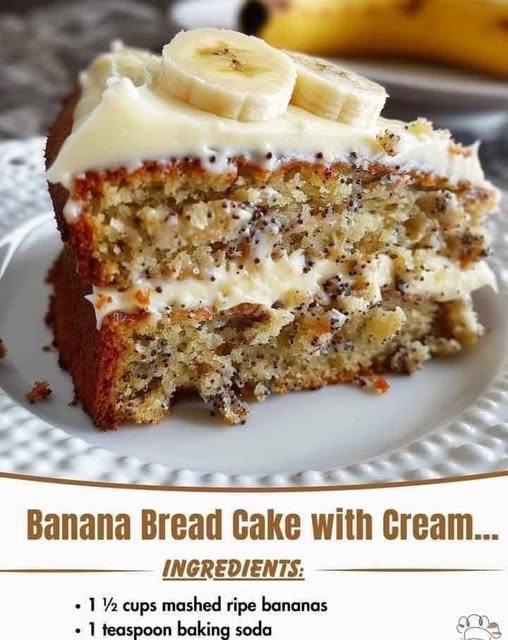
Step-by-Step Instructions
First, you’ll want to mash those bananas. I do this right in a medium bowl with a fork until they’re mostly smooth with a few tiny lumps for texture. In my large mixing bowl, I whisk together the melted (but cooled!) butter, yogurt, eggs, and vanilla until they’re one cohesive, creamy-looking liquid. Then, I stir in the mashed bananas. The mixture might look a little curdled at this point—that’s totally okay, I promise. I learned not to panic; it all comes together once you add the dry ingredients.
Now, for the dry mix. In a separate bowl, I whisk the flour, sugar, baking soda, salt, and cinnamon. This is my pro-tip: really whisk these for a good 30 seconds. It ensures the baking soda and salt are evenly distributed, so you don’t get any bitter pockets in your cake. I then add the dry ingredients to the wet mixture and fold it all together with my spatula. Stop as soon as the last streak of flour disappears. Overmixing is the enemy of a tender crumb! I pour the thick batter into my prepared pan and smooth the top.
While the cake bakes (start checking at 45 minutes—a toothpick should come out with just a few moist crumbs), I make the frosting. This is non-negotiable: your cream cheese and butter must be genuinely soft. I left them out for a full two hours last time. I beat them together until they’re completely smooth and fluffy, scraping the bowl down twice. Then, with the mixer on low, I gradually add the sifted powdered sugar, vanilla, and salt. Once incorporated, I beat it on medium-high for a full minute. That air you whip in is what makes it cloud-like. Let the cake cool completely before you frost it, or you’ll have a delicious but melty mess!
Pro Tips for Best Results
I tested this cake three different ways to nail the texture. The biggest lesson? Room temperature ingredients are not a suggestion. Using cold eggs and yogurt straight from the fridge will cause the melted butter to seize up, and your batter won’t emulsify properly, leading to a denser cake. I now set everything out about an hour before I start. It’s a small step with a massive payoff in the final crumb.
For the bananas, I used to think “the riper the better” meant practically black. And while that’s true for flavor, I found that using bananas that have gone completely liquid inside can throw off the moisture balance. The sweet spot is when they’re deeply speckled, soft to the touch, but still hold their shape when you peel them. Mash them just before you use them, too, to keep their bright flavor.
Finally, don’t be afraid of the bake time. My oven runs hot, and my cake was perfectly done at 48 minutes. Ovens vary, so start checking at 45. If the top is browning too quickly but the center is still wet, just lay a piece of aluminum foil loosely over the top for the remainder of the bake. This little trick saved my cake from burning more than once!
(See the next page below to continue…)