Pro Tips for Best Results
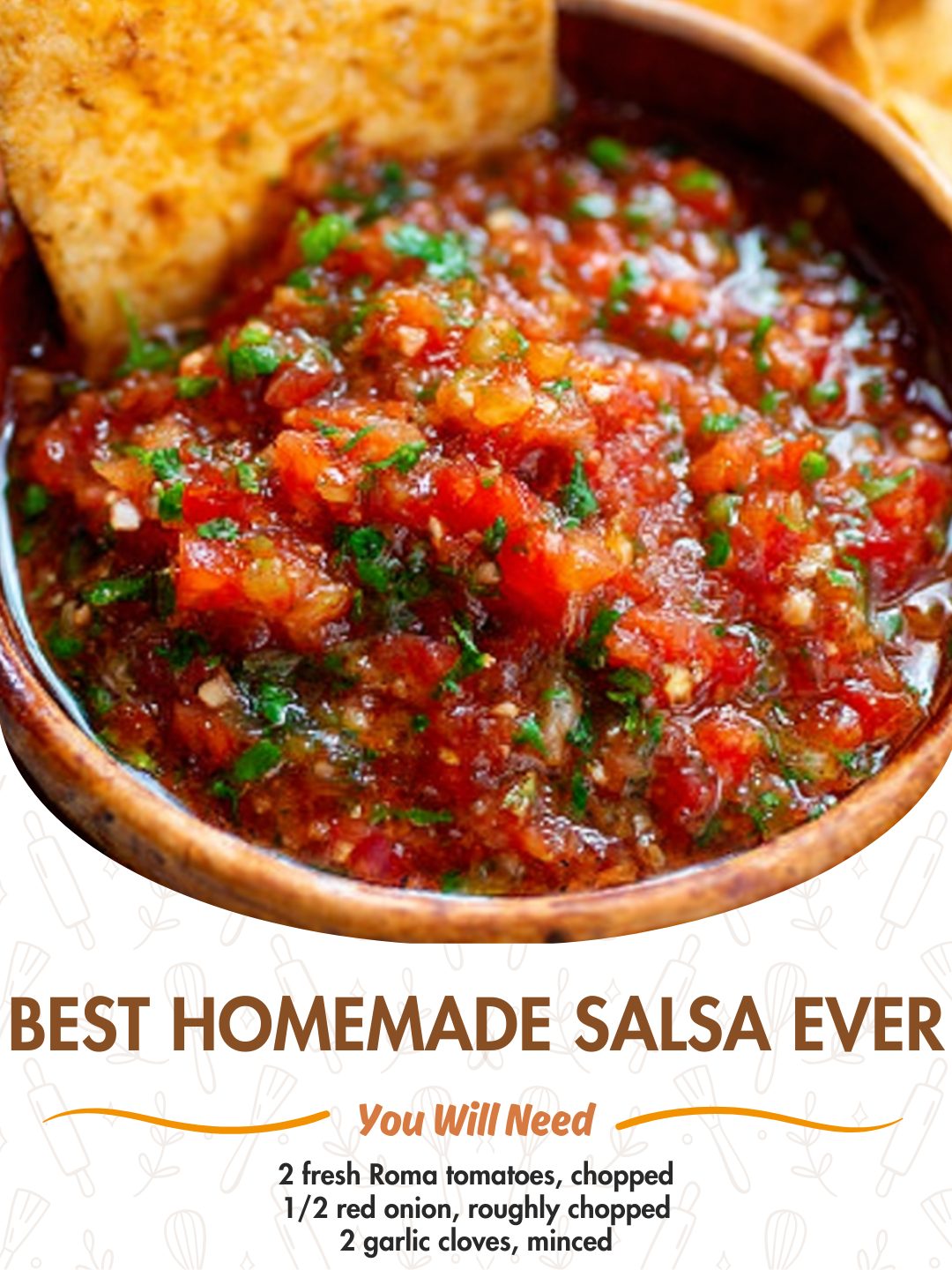
My number one pro tip is all about texture, and I tested this three different ways: over-processing, under-processing, and the pulse method. The pulse method is non-negotiable for that perfect restaurant-style consistency. It gives you control you simply don’t have with a running blender. Think of it as chopping with a machine—you’re in the driver’s seat.
Secondly, seasoning is key. Cumin might seem like a small addition, but it adds a warm, earthy depth that elevates this from a simple pico de gallo blend to a complex, addictive salsa. Don’t skip it. And always, always season with kosher salt. I’ve found it disperses more evenly than table salt. Start with the recommended amount, but trust your palate at the end. I almost always add one or two more small pinches after the resting period.
Finally, the resting period isn’t a suggestion; it’s a requirement. I was impatient the first few times I made it and served it immediately. It was fine, but it always tasted a bit separate, like individual ingredients in a bowl. Letting it sit allows the magic to happen. The flavors meld, the sharp edges of the onion and garlic soften just a touch, and the salsa becomes a unified, glorious whole. If you can plan ahead, making it an hour or two before serving is even better.
Common Mistakes to Avoid
The biggest mistake I made early on was using the wrong tomatoes. Beefsteak or vine-ripened tomatoes are often much juicier than Romas. The first time I used them, I ended up with a salsa that was way too watery, no matter how much I strained it. Romas (or plum tomatoes) have a firmer flesh and fewer seeds, giving you a much thicker, more scoopable final product. If you only have juicier tomatoes on hand, you can try deseeding them, but truly, grabbing a few Romas is the easier path.
Another classic blunder is forgetting to taste and adjust at the end. Recipes are guides, not dictators. Your lime might be bigger or more sour than mine. Your jalapeño might be a firecracker. Your personal salt preference might differ. I’ve served undersalted salsa before, and it’s just bland. After you pulse, dip a chip in and taste. Be brave. Add more of what you think it needs. This is your salsa. Own it. I learned this the hard way after serving a bland batch at a party—never again.
Serving Suggestions
I love serving this salsa straight from the bowl at room temperature with a huge pile of sturdy, restaurant-style tortilla chips. The thick texture clings perfectly to them. But it’s so much more than a chip dip. My favorite quick weeknight dinner is to spoon it generously over grilled or pan-seared chicken breasts or fish tacos. The freshness cuts through the richness beautifully.
For a next-level breakfast, I fry up some eggs and serve them on a bed of warm black beans, smothered in this salsa and a dollop of cool avocado or sour cream. It’s absolutely transformative. I also use it as a vibrant topping for baked potatoes or a stirring stir-in for plain rice or quinoa to add instant flavor.
And don’t forget the drinks! This salsa is the perfect partner for an icy-cold Mexican lager, a classic margarita on the rocks, or even a fizzy lime soda. The acidity and spice are just begging to be washed down with something cool and refreshing. It’s the centerpiece of my casual summer gatherings.
Variations & Customizations
The beauty of this recipe is its adaptability. For a smoky, deep Roasted Salsa, I’ll sometimes broil the tomatoes, onion, jalapeño, and an unpeeled garlic clove on a sheet pan until charred in spots. Let them cool, peel the garlic, and then blend as directed. It’s a whole different, wonderfully complex flavor profile that’s perfect for cooler months.
If you’re a fruit salsa fan, try my Mango-Pineapple twist. I replace one of the Roma tomatoes with 1/2 cup of fresh diced mango and 1/2 cup of fresh diced pineapple. I keep the jalapeño for that sweet-heat combination and add an extra pinch of salt. It’s incredible on fish or pulled pork tacos. I brought this version to a barbecue once, and it was gone in minutes.
For a richer, creamier texture, I’ll blend in half of a ripe, peeled avocado. You have to serve this version immediately, as it doesn’t store well (the avocado browns), but it makes for an incredibly luxurious, almost dip-like salsa. And finally, for a Salsa Verde switch-up, simply replace the red tomatoes with 8-10 tomatillos (husks removed and rinsed) and swap the red onion for white or yellow. The tart, unique flavor of the tomatillos is a delightful change.
How to Store, Freeze & Reheat
Storage is simple. I transfer any leftover salsa to an airtight container and press a piece of plastic wrap directly onto the surface before sealing the lid. This minimizes air exposure, which is the enemy of fresh herbs. It keeps beautifully in the refrigerator for 4-5 days. The flavors actually continue to develop, though the texture may soften a bit and the garlic may become a little more pronounced—which I don’t mind at all!
I do not recommend freezing this salsa. I tried it once in a desperate attempt to preserve a huge batch, and the results were disappointing. The high water content in the tomatoes creates ice crystals that, upon thawing, lead to a mushy, separated, and watery texture. The fresh cilantro and lime juice also lose their vibrancy. It’s a fresh salsa, and it’s best enjoyed that way. My advice? Make it fresh, share it with friends, and enjoy every last bit within the week. There’s no need to reheat it—it’s meant to be served cool or at room temp.
Conclusion
So there you have it—my kitchen-tested, friend-approved, go-to recipe for the Best Homemade Salsa Ever. It’s more than just a recipe to me; it’s a reminder of how simple, fresh ingredients can come together to create something truly spectacular with just a little bit of care. I hope you’ll give it a try, make it your own, and experience that same little thrill of pride I get every time I set that bowl down on the table. Now, go grab those Romas and a lime, and let’s get pulsing. Your chips are waiting.