Pro Tips for Best Results
Letting the bruschetta mixture sit for 10-15 minutes after you mix it is a game-changer I discovered on my third test. It allows the flavors to marry and the tomatoes to release more of their juices, creating a more cohesive sauce. If you have the time, do this while the chicken cooks and the pasta boils—it elevates the entire dish.
I tested salting the tomatoes directly, and it does draw out liquid, but for this application, I actually prefer to season the whole mixture. When you salt the tomatoes alone, they can become a bit too watery for a pasta sauce. Tossing everything together with salt just before adding the hot pasta gives you the perfect balance of flavor and texture.
Don’t skip the pasta water. I know it’s tempting to just drain and dump, but that starchy, salty liquid is what transforms the olive oil and tomato juices into a proper sauce that coats the pasta. Start with about a 1/4 cup and add more as you toss until you get a lovely, glossy coating. It’s the difference between a dry dish and a luxurious one.
Common Mistakes to Avoid
The first time I made this, I made a classic mistake: I added the garlic to hot oil to sauté it before making the bruschetta mix. Big error! For a true bruschetta flavor, you want the sharp, pungent bite of raw garlic mellowed only by the residual heat of the pasta and the acidity of the tomatoes. Cooking it first loses that vibrant kick that makes this dish so alive. Trust me, mince it fresh and let it steep in the oil and vinegar.
Another pitfall is overcooking the chicken. Because it gets sliced and tossed, dry, stringy chicken can really bring the dish down. I use a simple trick: after grilling, I let it rest for a full 10 minutes tented with foil. This allows the juices to redistribute. When you slice it, you’ll see the difference—every piece stays moist and tender. Rushing this step means all those delicious juices end up on the cutting board, not in your pasta.
Serving Suggestions
I love serving this pasta family-style right out of the big mixing bowl. It’s rustic, inviting, and lets everyone dig in. For a complete meal, I always pair it with something simple and green to balance the richness. A crisp arugula salad with just a lemon vinaigrette is my absolute favorite—the peppery arugula cuts through the garlic and oil perfectly.
If I’m having friends over, I’ll start with a classic antipasto platter with some olives, marinated artichokes, and thin slices of salami. Then, this pasta becomes the star of the show. It feels so special, yet I’m not stuck in the kitchen all night. A basket of warm, crusty bread is also essential for sopping up any delicious bruschetta juices left in the bowl.
For drinks, a light, chilled Pinot Grigio or a Sangiovese is just perfect with these flavors. And if you’re not drinking, sparkling water with a squeeze of lemon and a few basil leaves makes a wonderfully refreshing accompaniment. The goal is to keep everything fresh and bright to complement the pasta.
Variations & Customizations
This recipe is wonderfully adaptable. Not a chicken fan? I’ve made this with large shrimp, which grill up in just minutes, and it was fantastic. For a vegetarian version, I sometimes grill thick slices of halloumi cheese or zucchini. The halloumi adds a salty, squeaky texture that’s incredibly satisfying. You could even use canned, drained chickpeas for a quick protein boost.
The bruschetta mix itself is a canvas. One time I added a finely diced shallot for extra sweetness and a tiny bit of red chili flake for heat—it was a hit! If you have them, a handful of chopped Kalamata olives or a tablespoon of capers can introduce a wonderful briny element. In the winter, when tomatoes aren’t at their peak, I use high-quality sun-dried tomatoes (the ones packed in oil), chopped, and they bring an intense, sweet depth.
Pasta shape matters more than you think! While penne is classic, I’ve tried this with farfalle (bow-ties) and the little cups hold the bruschetta mixture and tiny mozzarella pearls beautifully. Orecchiette is another winner—they’re like little spoons for the sauce. Just stick with short shapes that can cradle all the chunky, juicy bits.
How to Store, Freeze & Reheat
For storing leftovers, I let the pasta cool completely before transferring it to an airtight container. It will keep in the fridge for up to 3 days. The fresh basil will wilt and darken, which is normal, but the flavors will still be great. A note: the garlic will become more potent as it sits, so be prepared for a stronger kick on day two!
I do not recommend freezing this dish. The fresh tomatoes and basil will become mushy and watery upon thawing, and the pasta texture turns grainy. It’s truly best enjoyed fresh. To reheat, I sprinkle a tablespoon of water over a single portion in a microwave-safe bowl and cover it loosely. I microwave in 30-second bursts, stirring in between, until just warmed through. You can also reheat it gently in a skillet with a tiny splash of olive oil or water over low heat. Avoid high heat, which can make the chicken rubbery.
Conclusion
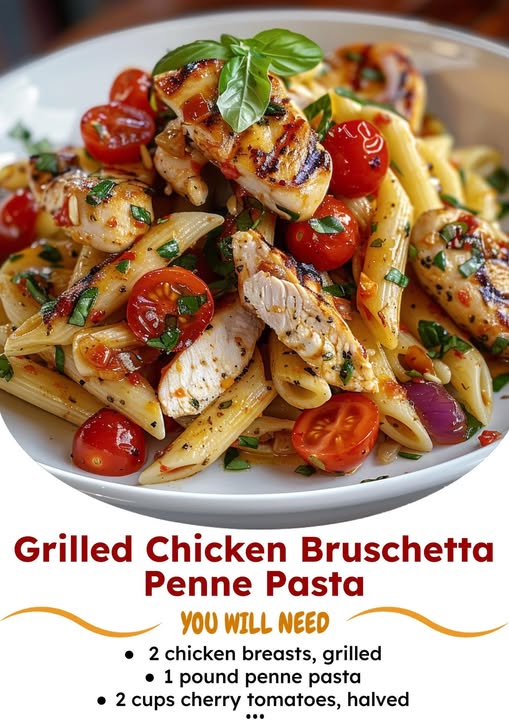
This Bruschetta Chicken Pasta is more than just a recipe to me; it’s a reminder that the most beloved meals often come from a simple idea and a handful of fresh ingredients. It’s the dish I make when I want to feel like I’m treating myself, without any complicated steps or stress. I hope it brings as much joy to your kitchen as it has to mine. Give it a try, make it your own, and don’t forget to tear up that extra basil with your hands for the full, fragrant experience. Happy cooking