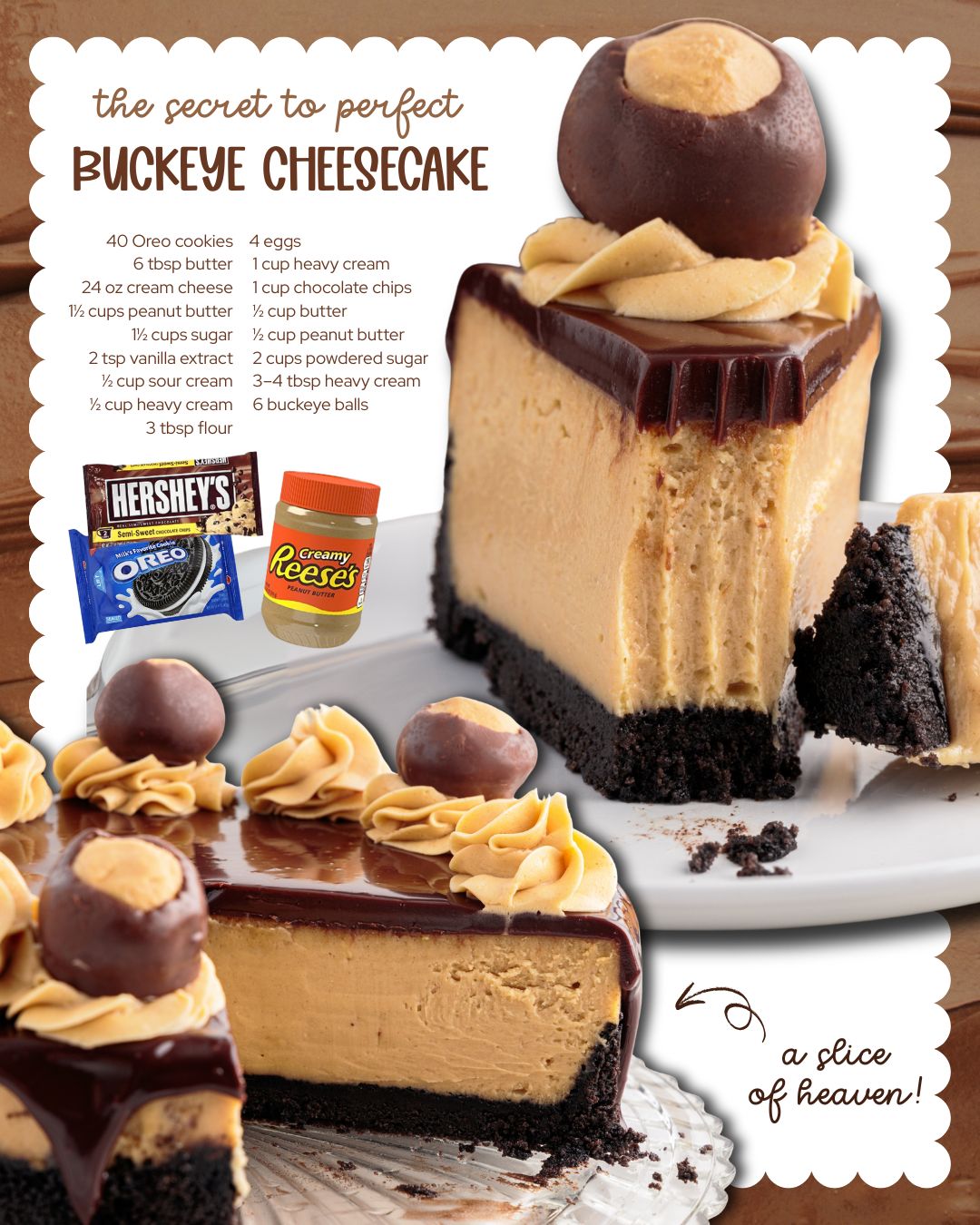
Step-by-Step Instructions
Start by blitzing those Oreos into fine crumbs and mixing them with the melted butter. Press this mixture firmly and evenly into the bottom and slightly up the sides of your foil-wrapped springform pan. I use the bottom of a measuring cup to really pack it in; a loose crust will crumble when you slice. Pre-bake this for just 8-10 minutes—you’ll smell it—then let it cool while you make the filling. This quick bake sets the crust, creating a solid barrier against the wet filling so it doesn’t get soggy.
For the filling, beat the room-temperature cream cheese until it’s completely smooth and creamy. This takes a good 2-3 minutes on medium speed. Scrape the bowl, then add the peanut butter and sugar, beating again until it’s a fluffy, homogenous mixture. Here’s my secret: add the flour, vanilla, sour cream, and heavy cream next, mixing on low until just combined. The flour helps stabilize the cheesecake, preventing dramatic cracks. Finally, add the eggs one at a time, mixing on low speed and only until the yolk disappears into the batter. Over-beating the eggs incorporates too much air, which causes the cheesecake to puff and fall, leading to cracks. Pour this luscious, thick batter over your cooled crust.
Now, the water bath: place your springform pan inside a larger roasting pan. Pour hot water into the roasting pan until it comes about halfway up the sides of the springform. This gentle, steamy heat is the secret to a creamy, evenly-cooked cheesecake with a level top. Bake it until the edges are set but the center still has a slight, gentle jiggle—like Jell-O. I watch for this at the 55-minute mark. Turn off the oven, crack the door open, and let the cheesecake cool slowly inside for an hour. This gradual cooldown is the final guardian against cracking. The patience is worth it.
Pro Tips for Best Results
First, embrace the slow and steady approach. Rushing the mixing process or baking at a higher temperature is a guaranteed path to a cracked, dense cheesecake. I tested this three different ways: once mixing everything on high, once baking without a water bath, and once following the low-and-slow method. The difference was night and day. The proper method gave me a texture that was impossibly creamy and a presentation that was flawless. That slow cool in the oven is non-negotiable.
Second, invest in an oven thermometer. I learned the hard way that my oven’s thermostat was off by almost 25 degrees! Baking a cheesecake at too high a temperature will cause it to soufflé and then crater. An inexpensive thermometer hanging from your rack will tell you the truth. Also, resist the urge to open the oven door to check on it during the first 45 minutes of baking. That rush of cold air can make the surface contract too quickly and split.
Finally, for the chocolate ganache topping, let the cheesecake chill completely—overnight is best—before you pour it on. I made the mistake of pouring warm ganache over a slightly warm cheesecake once, and it created a messy, melty layer that bled into the filling. Letting both components cool separately allows for those beautiful, distinct layers. When you make the ganache, heat the cream until it’s just simmering, then pour it over the chocolate chips and butter. Let it sit for five minutes before whisking into a smooth, glossy dream.
Common Mistakes to Avoid
One huge mistake is not properly preparing your pan. I didn’t wrap my springform pan tightly enough in foil the first time, and water seeped in, creating a sopping-wet, inedible crust disaster. Use heavy-duty foil and wrap it from the bottom up the sides. I do two layers for absolute peace of mind. Also, don’t skip greasing the sides of the pan above the crust line. It helps the cheesecake release cleanly as it cools and shrinks.
(See the next page below to continue…)