Pro Tips for Best Results
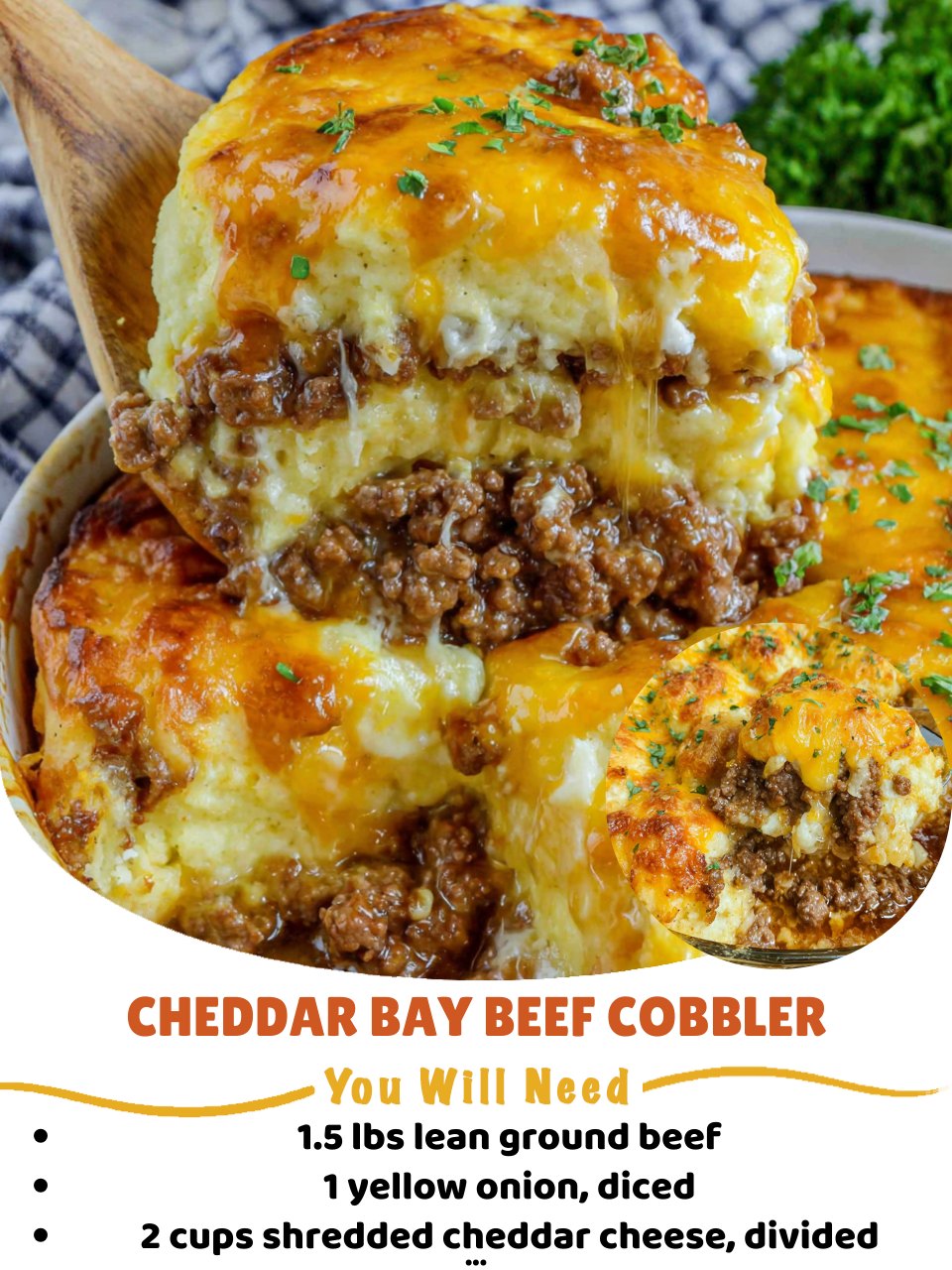
I tested the biscuit dough three different ways, and the cold ingredient method is the winner. I once used butter straight from the cupboard, and the biscuits spread into a single layer instead of puffing up. The contrast between the cold dough and the hot filling is what gives you those distinct, fluffy clouds on top. I keep my cubed butter in the freezer for 10 minutes while I prep the filling—it’s a game-changer.
Don’t be tempted to substitute the tomato sauce with ketchup or marinara. I tried both in early tests. Ketchup made it too sweet, and marinara had too many competing herbs. Plain tomato sauce is the perfect neutral, tangy base that lets the beef, cheese, and spices shine. It creates the ideal saucy, not soupy, consistency for the filling to support the biscuits.
The resting period after baking is a tip I learned the hard way. The first time I made this, I dug in immediately and the filling was lava-hot and runny. Letting it sit for those 5-10 minutes allows the sauce to thicken up just enough and lets the biscuits absorb a little steam from below, making them even more tender. It requires patience, but it makes serving so much cleaner and the flavors even better.
Common Mistakes to Avoid
The biggest mistake I made the first time was using a baking dish that was too small. The filling was so close to the rim that when I added the biscuit dough, it partially slid into the filling and didn’t cook evenly on top. Now, I always use my largest, deepest skillet or a proper 9×13 dish. You need room for the biscuits to sit proudly on top without being submerged.
Another pitfall is overworking the biscuit dough. I used to knead it like bread dough, wondering why my biscuits were tough and dense. You are not looking for smoothness. A shaggy, lumpy, barely-together dough is exactly what you want. It seems wrong, but trust me, it’s right. Those lumps and bumps translate into a light, flaky, and incredibly tender topping.
Serving Suggestions
I love serving this cobbler right from the skillet in the middle of the table—it’s so homey and inviting. For a simple, perfect meal, all I add is a bright, crisp green salad with a tangy vinaigrette. The freshness of the salad cuts through the richness of the cobbler beautifully. It’s the only side dish you really need.
On colder nights, I’ll pair it with some simple roasted green beans or broccoli. Toss them in oil, salt, and pepper, and roast them on a sheet pan on the oven rack below the cobbler. They’ll be done at about the same time, making for a effortlessly complete meal. The slightly charred, savory veggies are fantastic alongside the cheesy beef.
If I’m feeding a bigger crowd or want leftovers (which are incredible), I might also offer a bowl of tangy coleslaw or some pickles on the side. The acidity and crunch provide a wonderful counterpoint to every creamy, savory bite of the cobbler. A dollop of sour cream on top of individual servings is also a fantastic addition some in my family swear by.
Variations & Customizations
This recipe is wonderfully adaptable. For a Tex-Mex twist, I’ve swapped the oregano and paprika for a packet of taco seasoning, used a Mexican cheese blend, and added a drained can of black beans and corn to the filling. I’ll even add a finely diced jalapeño to the biscuit dough. It turns into a completely different, equally delicious fiesta in a dish.
You can easily switch up the protein, too. Ground turkey or chicken works well, though I add an extra tablespoon of olive oil to the pan as they’re leaner. I’ve also made a fantastic vegetarian version for friends using a plant-based ground “meat” and increasing the smoked paprika for that savory, umami depth. It was a hit even with the meat-lovers at the table.
Feel free to play with the biscuit herbs. Sometimes I’ll add a teaspoon of dried parsley or chives to the dry mix. If I have fresh herbs on hand, a tablespoon of finely chopped rosemary or thyme in the beef filling is sublime. This recipe is a fantastic blueprint—once you’ve made it as written, make it your own.
How to Store, Freeze & Reheat
For storing leftovers, I let the cobbler cool completely, then cover the skillet tightly with foil or transfer portions to an airtight container. It keeps beautifully in the fridge for 3-4 days. To reheat, I’ve found that the microwave can make the biscuits a bit rubbery. Instead, I place a portion in an oven-safe dish, add a splash of broth or water to the edges to keep it moist, cover with foil, and warm it in a 350°F oven for 15-20 minutes. It tastes nearly as good as fresh.
This cobbler freezes surprisingly well! I freeze it in two ways: either the fully assembled but unbaked cobbler (wrap the skillet tightly in a few layers of plastic wrap and foil, then bake from frozen, adding 15-20 minutes to the bake time), or in individual portions. For portions, I freeze them solid on a sheet pan first, then bag them. They reheat perfectly in the oven from frozen, covered, for about 30 minutes. It’s my secret for having a spectacular “fast food” meal ready on my busiest weeks.
Conclusion
The Cheddar Bay Beef Cobbler is more than just a recipe in my kitchen—it’s a guaranteed mood-lifter, a crowd-pleaser, and my go-to for creating those warm, full-bellied moments that everyone remembers. It has that magical combination of being deeply comforting yet impressively delicious. I hope you give it a try and that it finds a special place in your own recipe rotation, creating its own wonderful memories around your table. Happy cooking