Equipment Needed
- Large skillet or Dutch oven with a lid (this is your workhorse for the whole recipe)
- Wooden spoon or sturdy spatula
- Cheese grater
- Measuring cups and spoons
- Knife and cutting board
Step-by-Step Instructions
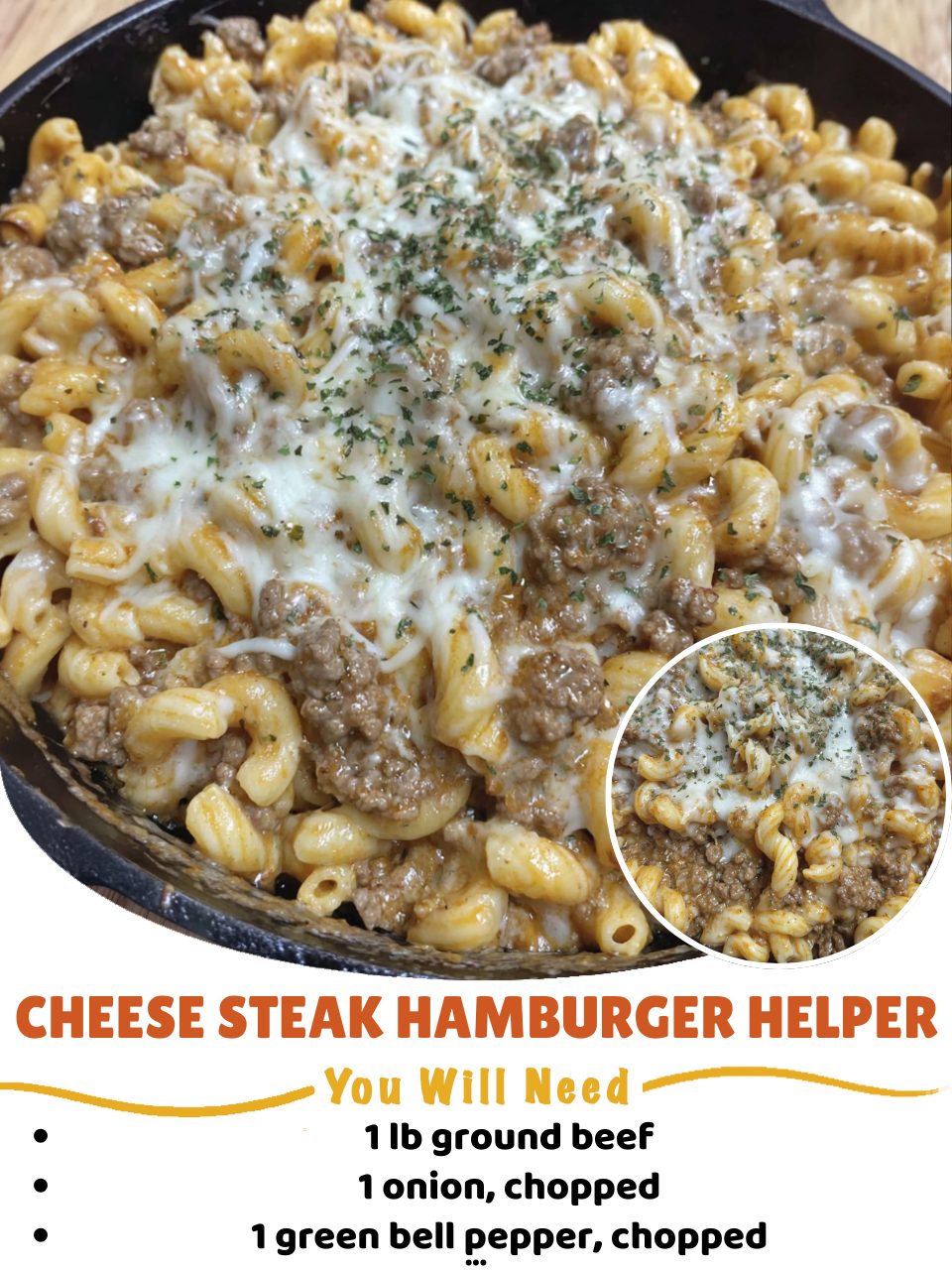
I start by grabbing my big, trusted skillet and placing it over medium-high heat. I add the ground beef and break it up with my wooden spoon, letting it get a good, proper brown—this isn’t the time for steaming gray beef. Those little browned bits at the bottom are pure flavor gold. Once the beef is mostly cooked through, I drain off any excess fat (maybe a tablespoon or two is fine, but I don’t want it swimming). Then, in go the chopped onion and green pepper. This is where the kitchen starts to smell absolutely incredible. I stir them in and let them cook for about 5-7 minutes, until the onions turn translucent and soft. I’ve learned to be patient here; rushing this step means crunchy veggies in your final dish.
The moment the veggies are softened, I clear a little spot in the center of the pan and add the minced garlic. It only needs about 30 seconds to become fragrant—any longer and it risks burning and turning bitter. I quickly stir it into the beef and veggie mixture. Now, here comes the liquid. I pour in the uncooked pasta, the beef broth, milk, Worcestershire sauce, paprika, onion powder, and black pepper. I give it one good stir, making sure the pasta is submerged as much as possible. This is when I hold my breath for a second—it always looks a bit soupy and wrong, but I promise it’s right.
I bring the whole mixture to a lively simmer, then immediately reduce the heat to medium-low and cover the skillet with a tight-fitting lid. This is the passive cooking phase, but don’t wander too far! I set a timer for 12 minutes. About halfway through, I lift the lid and give everything a gentle stir, checking to make sure the pasta isn’t sticking to the bottom. The liquid will be absorbing beautifully. When the timer goes off, the pasta should be al dente and most of the liquid absorbed, leaving a thick, creamy-looking sauce base.
Now for the grand finale: I turn off the heat entirely. This is crucial. If the pan is too hot, the cheese can “break” and become oily. I sprinkle in all of that gorgeous, freshly shredded provolone and cheddar cheese. I stir slowly and with purpose, watching in sheer satisfaction as the cheese melts into the beef and pasta, creating the most luscious, cohesive, cheesy sauce imaginable. I let it sit for a couple of minutes off the heat—it will thicken up perfectly. Finally, I taste it. It usually needs just a pinch of salt, thanks to the broth and cheese. Then, it’s ready to serve.(See the next page below to continue…)