Pro Tips for Best Results
I’ve tested this three different ways regarding the liquid, and here’s what I found: the combination of broth and milk is non-negotiable for depth of flavor and creaminess. Using all broth makes it taste flat, and using all milk can make it too rich and the pasta starchy. The 3:1 broth-to-milk ratio is the sweet spot I landed on after a slightly gummy trial run. Trust this balance.
Timing is everything with the pasta. All stoves and skillets vary, so at the 12-minute mark, check your pasta. It should be tender but still have a slight bite. If it’s still too firm, add a couple tablespoons of extra broth or water, cover, and cook for another 2-3 minutes. I learned the hard way that overcooked, mushy pasta in this dish is a sad thing. It continues to soften a bit as it sits with the cheese, so err on the side of slightly underdone.
My biggest texture tip revolves entirely around the cheese. I cannot stress enough how much better block cheese, shredded by your own hand, performs. I made the mistake once of using a bag of pre-shredded “cheese steak blend” in a pinch, and while it was edible, the sauce was noticeably less smooth and a bit clumpy. The five minutes of shredding is the best investment you can make for a restaurant-quality, silky sauce.
Common Mistakes to Avoid
The first time I made this, I was so eager that I added the cheese while the skillet was still on active, low heat. Big mistake. The dairy separated, and I ended up with a greasy, oily sauce pooling around oddly coated noodles. It was a salvageable dinner, but not the glorious, creamy dream I wanted. So, let me be your guide: always, always turn the heat completely off before you stir in the cheese. Let the residual heat do the gentle, perfect work of melting it.
Another common pitfall is not browning the beef properly. If you just break it up and move it around until it’s no longer pink, you’re missing out on massive flavor. Take an extra few minutes to get some good caramelization on the meat. Those browned bits (the fond) on the bottom of the pan will dissolve into your broth and create an incredible base flavor. Don’t rush the first step—it sets the stage for the entire dish.
Serving Suggestions
I love serving this straight from the skillet, family-style, with a simple, bright side to cut through the richness. A crisp green salad with a tangy vinaigrette is my absolute favorite pairing. The cool, acidic crunch of lettuce and cucumber is the perfect contrast to the warm, cheesy pasta. It makes the whole meal feel more balanced and complete.
For nights when we want to lean all the way into the comfort food vibe, I’ll serve it with some buttery garlic bread or simple, warm dinner rolls. They’re perfect for scooping up every last bit of that cheesy sauce from the plate—no waste allowed in my house! My kids particularly love this carb-on-carb approach.
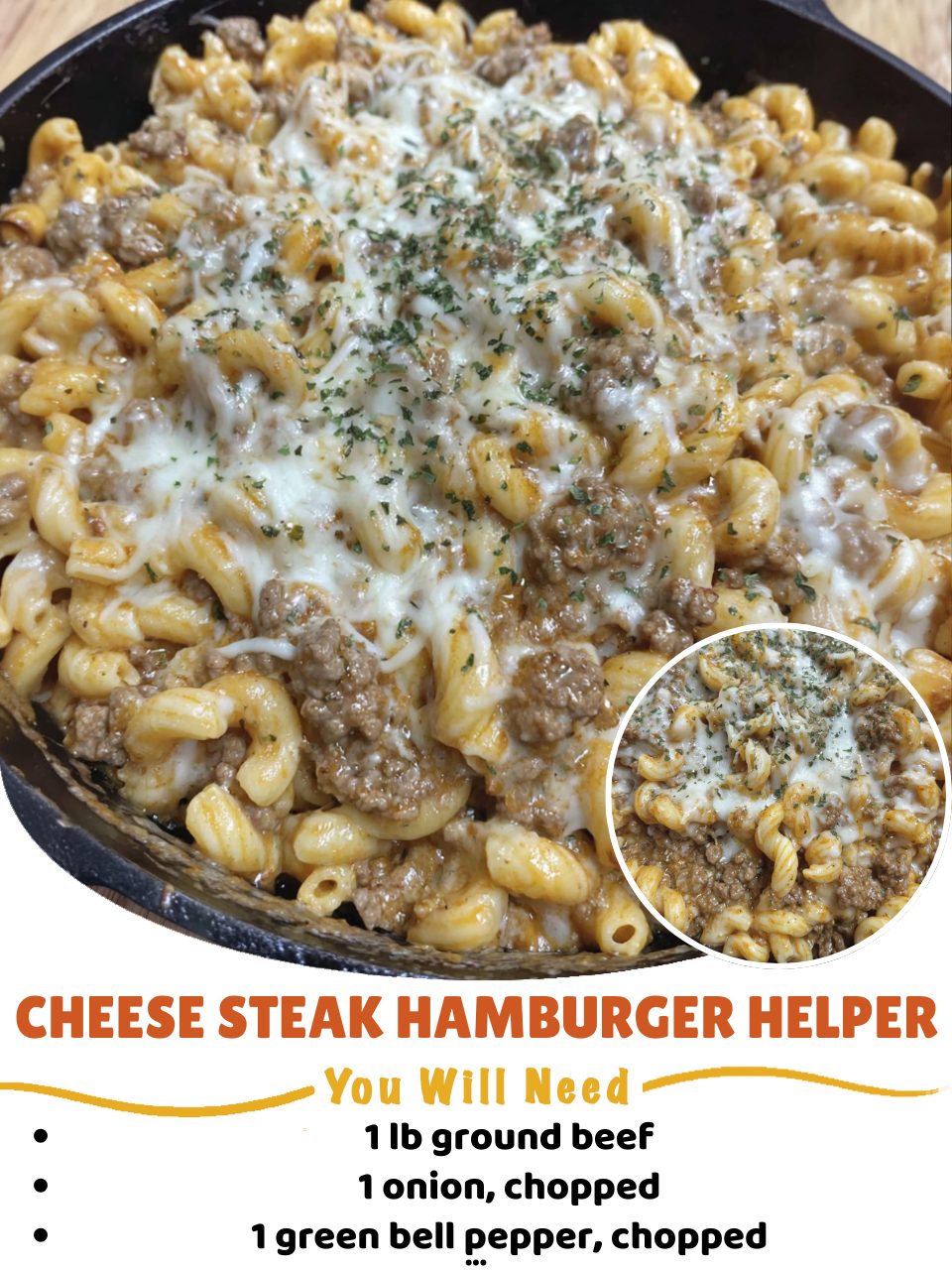
If I’m feeling fancy or have guests, I’ll garnish the whole dish with a sprinkle of chopped fresh parsley or chives. Not only does it add a beautiful pop of color, making the dish look instantly more appetizing, but that little bit of fresh herbaceousness lifts all the flavors. It’s a tiny step that makes it feel like a restaurant-worthy meal.
Variations & Customizations
This recipe is a fantastic canvas. I’ve made a “Philly-ish” version by swapping the ground beef for thinly sliced ribeye steak. Just sear the slices quickly first, remove them, and add them back in with the cheese at the end. It’s more decadent and truly tastes like a deconstructed cheesesteak. You can also use ground turkey or chicken for a lighter twist, though I’d recommend using chicken broth in that case to complement the flavor.
Play with the veggies! I’ve added sliced mushrooms when sautéing the onions and peppers, and they were a phenomenal, earthy addition. A diced jalapeño (with seeds removed for less heat) adds a wonderful kick. You can even stir in a handful of fresh spinach right at the end, just before adding the cheese, and let it wilt down—it’s a great way to sneak in some extra greens.
The cheese combination is also flexible. While I adore the provolone for its authentic steakhouse flavor, a Monterey Jack will give you a milder, creamier melt. For a sharper bite, use all extra-sharp cheddar. I’ve even stirred in a couple of tablespoons of cream cheese at the end for an ultra-indulgent, extra-creamy sauce. It’s your helper—make it work for you!
How to Store, Freeze & Reheat
In my experience, leftovers keep beautifully in an airtight container in the fridge for 3-4 days. The pasta will continue to absorb moisture, so it thickens up a lot. To reheat, I add it to a skillet with a small splash of milk or broth over low heat, stirring gently until it’s warmed through and saucy again. The microwave works in a pinch, but stir it every 30 seconds and add that liquid—it prevents it from drying out and becoming a rubbery brick.
You can freeze this for up to 3 months. I let it cool completely, then portion it into freezer-safe bags or containers. Thaw overnight in the fridge before reheating. Be aware that the texture of the pasta can become a bit softer after freezing and reheating, but the flavor remains fantastic. It’s a lifesaver to have a single-serving container tucked away for a future busy night.
Conclusion
This from-scratch Cheese Steak Hamburger Helper has earned a permanent spot in my dinner rotation. It’s more than just a quick meal; it’s a warm, cheesy hug at the end of a long day, a dish that brings everyone to the table with smiles. I hope it finds its way into your kitchen and becomes a trusted friend for your busy nights, too. Give it a try, make it your own, and enjoy the simple, delicious magic of a homemade comfort classic. Happy cooking!