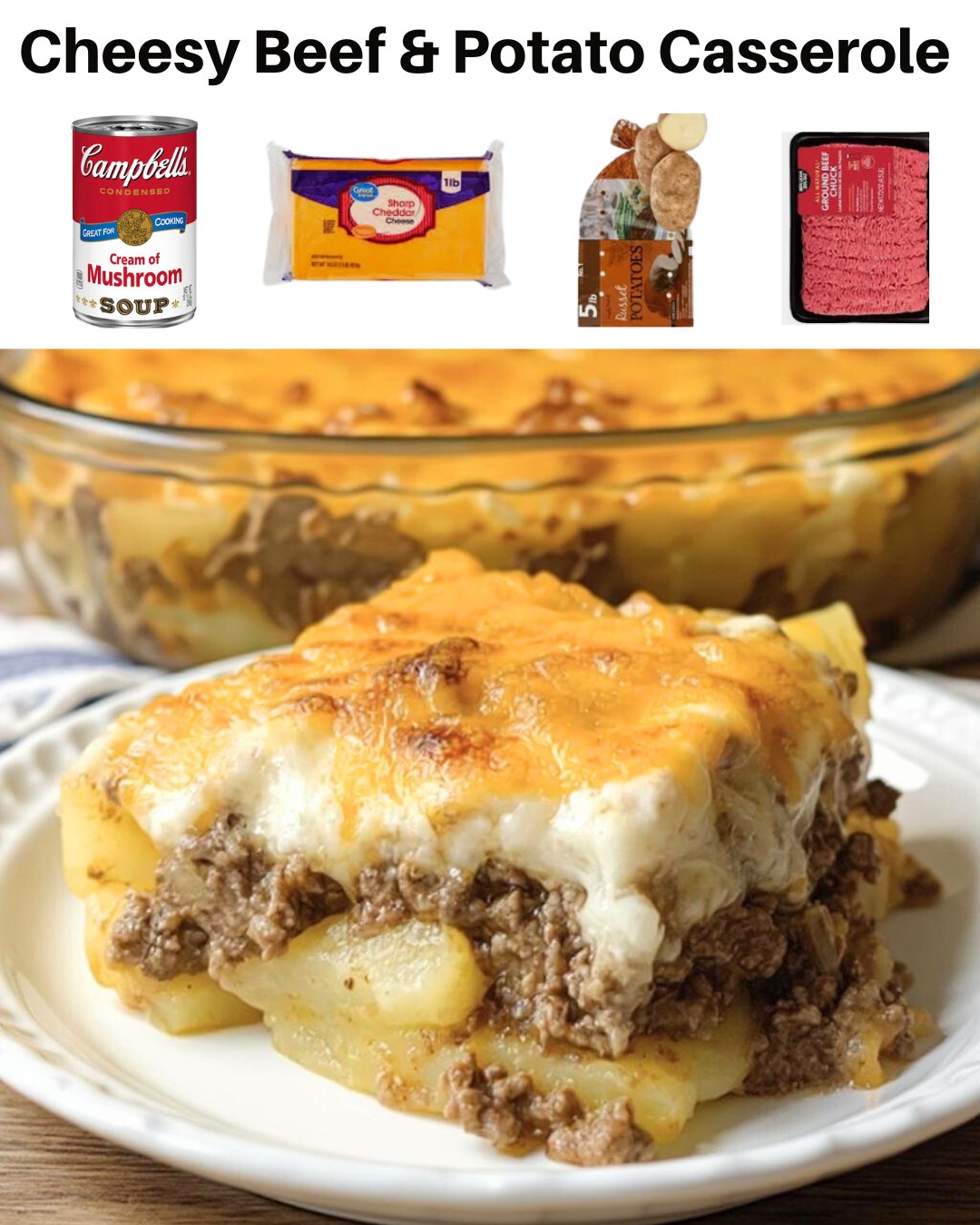
Finally, I transfer this mixture into my prepared baking dish and press it down into an even layer. I sprinkle the remaining half cup of cheese evenly over the top—this creates that gorgeous, golden crust. I cover the dish tightly with foil and bake it for 30 minutes. Then, I carefully remove the foil (watch the steam!) and bake for another 15-20 minutes, until the cheese is perfectly melted and bubbly and the edges are lightly golden. I let it sit for about 10 minutes after pulling it out. This rest time is not optional; it allows everything to set so you get clean slices instead of a cheesy avalanche.
Pro Tips for Best Results
Letting the hash browns thaw completely is the single best thing you can do for the texture of this casserole. I’ve tested this three different ways: frozen solid, partially thawed, and fully thawed. Using them frozen straight from the bag led to a soggy, watery middle because all the ice crystals melted into the dish. Fully thawed hash browns (I spread them on a plate in the fridge for a few hours) give you that ideal, cohesive-but-not-mushy texture. Patting them gently with a paper towel to remove any excess moisture is an extra step I sometimes take if they seem particularly wet.
Don’t be shy with the seasoning in the beef layer. I learned this the hard way the first time I made it. I only salted the final mixture, and the beef itself tasted bland. Now, I season the beef and onions while they cook, and then I check the seasoning of the entire mixture in the bowl before it goes into the dish. The soup and cheese are salty, but they need a friend. A good pinch of salt and a few cracks of black pepper at the beef stage makes a world of difference.
That rest period after baking is a pro tip disguised as a suggestion. I was too eager the first time and dug right in. It was delicious, but it was a soupy mess on the plate. Giving it those 10 minutes to settle allows the creamy sauce to thicken slightly and the whole structure to firm up. It’s the difference between a sloppy Joe and a perfect slice of lasagna. Use this time to toss a simple green salad or set the table. Your patience will be rewarded.
Common Mistakes to Avoid
The first big mistake I made was not draining the beef grease adequately. I used an 80/20 blend and just poured the meat in without draining, thinking the fat would add flavor. It did, but it also made the final casserole incredibly greasy, with an unappealing orange oil pooling at the edges. Now, I use a leaner beef (85/15 or 90/10) and drain it thoroughly in a colander after browning. You want the flavor of the beef, not a pool of fat in your finished dish.
Skipping the foil cover is a ticket to a burnt cheese topping. I thought, “The more browning, the better!” and baked it uncovered the whole time. The cheese on top was dark brown and almost tough within 20 minutes, but the center was still cold. The foil acts like a little oven within your oven, trapping steam to cook the interior gently while protecting the top. The final uncovered bake is just to get that perfect melt and a few golden spots. It’s a balance, and the foil is essential.
Overmixing after adding the cheese can lead to a weird texture. When you combine everything in the large bowl, mix just until the ingredients are evenly distributed. If you go at it aggressively, the heat from the beef can start to melt the shredded cheese prematurely, creating clumps and a greasy feel instead of distinct, melty pockets. I use a folding motion with a spatula for this step now, and the result is a much better distribution of creamy, beefy, cheesy goodness in every bite.
Variations & Customizations
This recipe is a wonderful canvas. One of my favorite twists is the “Taco Tuesday” version. I season the ground beef with a packet of taco seasoning instead of the standard salt and pepper, use a can of Cream of Chicken soup (it works better with the flavors, I found), and swap the cheddar for a Mexican blend cheese. I’ll even stir in a can of drained black beans and a cup of frozen corn. I serve it with crushed tortilla chips, salsa, and avocado on top. It’s a whole new, fantastic dish.
For a “Breakfast for Dinner” spin, I’ve used ground breakfast sausage instead of beef. I keep the Cream of Mushroom soup, but I’ll sometimes add a cup of frozen diced peppers and onions (the kind meant for fajitas or omelets) to the sausage as it cooks. It’s incredible. I’ve also tried a version with cubed, cooked ham and frozen diced potatoes O’Brien (the ones with peppers and onions already in them). It’s like a decadent, creamy ham and potato bake.
If you’re looking to lighten it up a touch, you certainly can. I’ve used ground turkey (93/7) with great success, though I add an extra pinch of herbs like thyme to boost its flavor. Low-fat sour cream and a reduced-fat cream of mushroom soup will work in a pinch, and a sharp, flavorful reduced-fat cheddar can still deliver on taste. Just know the texture might be slightly less luxuriously creamy. For a veggie boost, I’ve stirred in a couple of handfuls of fresh spinach into the hot beef mixture right before combining—it wilts down perfectly.
For the cheese lovers (raising my hand), the cheese variety is your playground. I’ve done a version with half sharp cheddar and half pepper jack for a little kick. A Gruyère and cheddar combo is heavenly, giving it a more sophisticated, nutty flavor. One time, I even did a “French Onion” vibe by using Swiss cheese and stirring in a heaping tablespoon of Worcestershire sauce into the soup mixture. Don’t be afraid to use what you love or what you have in the fridge!
How to Store, Freeze & Reheat
For leftovers, I let the casserole cool completely, then cover the baking dish tightly with plastic wrap or transfer portions to an airtight container. It will keep in the fridge for 3-4 days. I find the flavor actually deepens on the second day. To reheat, I prefer the oven or toaster oven. I place a single-serving portion in an oven-safe dish, add a tiny splash of broth or water to keep it moist, cover it with foil, and heat at 350°F until warmed through (about 15-20 minutes). The microwave works in a pinch, but it can make the potatoes a bit rubbery.
FAQ Section
My casserole came out watery. What happened?
This happened to me once, and it’s usually one of three things: the hash browns weren’t thawed (ice crystals added water), the ground beef wasn’t drained well enough, or the casserole wasn’t baked long enough. The resting period also allows excess moisture to be reabsorbed. Make sure to check that the center is bubbling hot before you take it out, and give it that full rest.
What can I use instead of Cream of Mushroom soup?
If you need a substitute, Cream of Onion or Cream of Celery soup will work in a pinch and still be delicious. For a from-scratch version in a real bind, you can make a quick white sauce (a roux with butter, flour, and milk) and sauté ½ cup of finely chopped mushrooms in with the onions. It’s not an exact match, but it’ll get you close.
Is it necessary to thaw the hash browns?
Yes, I really believe it is for the best texture. I’ve tried it with frozen, and the extra water they release as they cook in the casserole creates a soupy layer at the bottom. Taking the time to let them thaw in the fridge (or even spreading them on a tray for 30-60 minutes on the counter) is a step that guarantees a better result. Trust me on this one.
Conclusion
This Cheesy Beef and Potato Casserole is more than just a recipe in my kitchen; it’s a feeling of comfort, a solution for a hungry family, and a deliciously reliable tradition. From that first whiff of browning beef to the moment you pull the bubbling, golden dish from the oven, it’s a journey that always ends well. I hope you’ll make it, share it, and maybe even create your own family memories around it. Now, go preheat your oven—your new favorite cozy dinner is waiting for you.