Step-by-Step Instructions
First, we build our flavor base. Heat the oil in your large skillet over medium-high heat. Add the diced onion and bell pepper with a pinch of salt. I let them cook for a good 5-7 minutes, until they’re soft and just starting to caramelize at the edges—this sweetness is key. Then, I add the garlic, stirring for just 30 seconds until fragrant before introducing the ground beef. Breaking the beef up with my spatula, I cook until it’s no longer pink. This is where I sprinkle in the taco seasoning, letting it toast for a minute with the beef. I always drain any excess grease here; it prevents soggy quesadillas later.
Now, for the assembly line. I clear my counter and lay out a tortilla. I sprinkle a thin layer of cheese directly on one half—this acts as the “glue.” Then, I spoon a generous amount of the beef mixture over the cheese, followed by another hearty handful of cheese on top of the beef. The cheese-on-both-sides technique is non-negotiable; it seals everything together. I fold the bare half of the tortilla over to create a half-moon and gently press it down. I repeat until all my filling is used up.
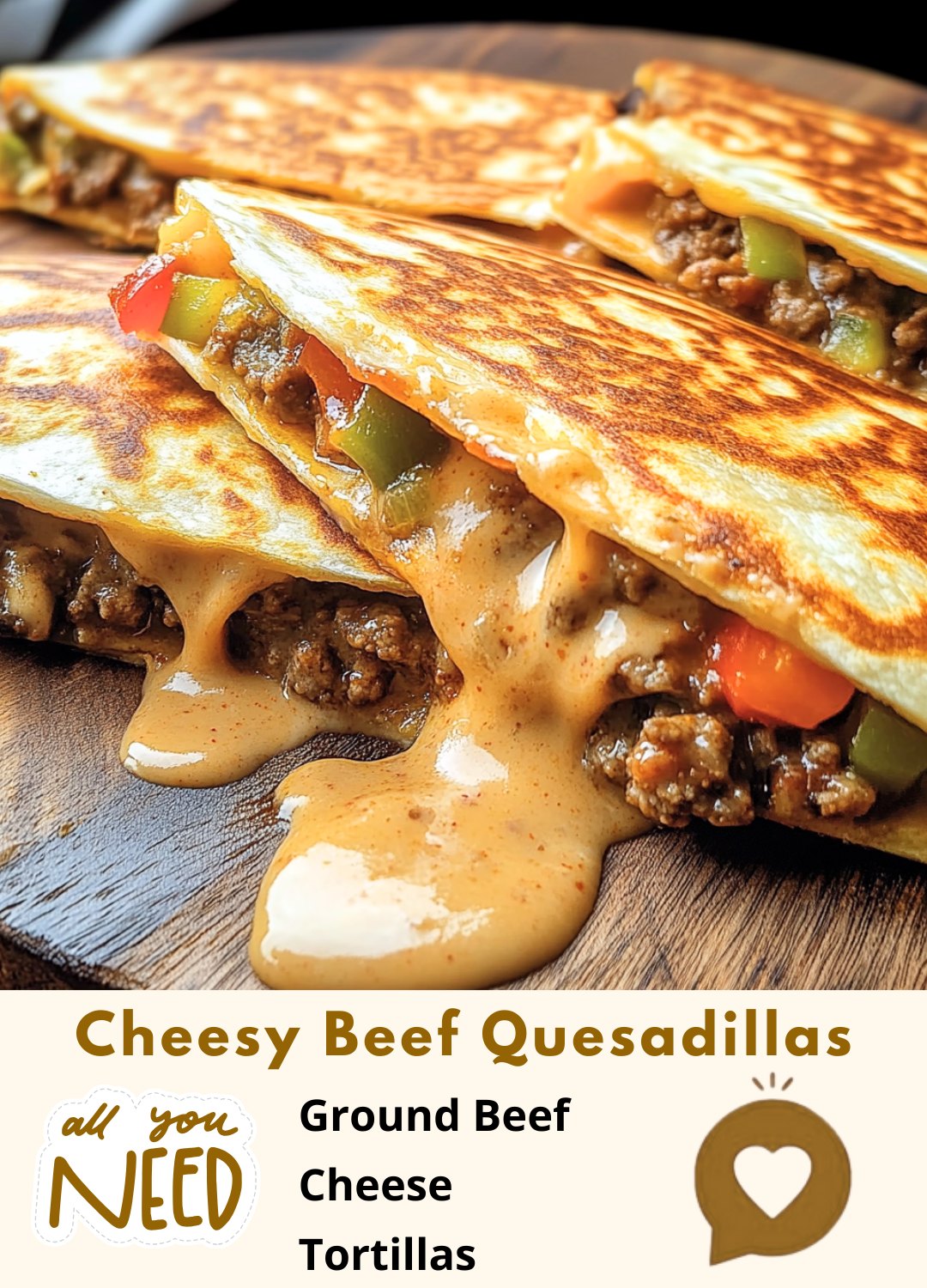
Finally, the toasting magic. I wipe out my skillet and return it to medium heat—no extra oil needed. I carefully lay a filled quesadilla in the dry, hot pan. This is the patience test. I cook it for about 2-3 minutes per side, waiting until I see the cheese just starting to melt out the sides and the tortilla is deeply golden brown with those perfect crispy spots. The first flip is always a nerve-wracking moment of faith! I slide it onto a cutting board, let it rest for just a minute (so the cheese sets a bit), then slice it into wedges. The sound of that crispy crust cracking under the knife is pure joy.
Pro Tips for Best Results
Let’s talk heat management. I tested this three different ways: too high, too low, and just right. Medium heat is the sweet spot. Too high, and your tortilla burns before the cheese melts. Too low, and you get a pale, greasy tortilla. Listen for a gentle, consistent sizzle when the quesadilla hits the pan. If it’s silent, it’s too low; if it’s violently sputtering, it’s too high. Adjust accordingly—every stove is different.
Don’t overstuff! This was my biggest learning curve. It’s so tempting to pack in more beef, but an overstuffed quesadilla is impossible to flip neatly, and the filling will spill out and burn in the pan. You want a solid, but single layer of filling. Think of the tortilla as a envelope, not a suitcase. A properly filled quesadilla will be sturdy, golden, and hold together in a perfect wedge.
The resting minute after cooking is a step I used to skip in my hurry to eat. Here’s what I learned the hard way: cutting immediately sends molten cheese and filling shooting out everywhere. Letting it rest on the cutting board for just 60 seconds allows the cheese to cool slightly and become tacky, holding everything in place for a clean cut. It’s a tiny step with a massive payoff for presentation and for saving your fingers from scalding beef.
Common Mistakes to Avoid
The first time I made these, I made the classic mistake of using cold tortillas straight from the fridge. They tore so easily when I folded them! Now, I always let my tortillas sit on the counter while I prep the filling. Room-temperature tortillas are flexible and strong, making the folding process seamless and preventing any frustrating rips that let cheese leak everywhere.
Another honest blunder? Not draining the beef grease. I thought it would add flavor (and I was being lazy), but it created a soggy, greasy mess that made the tortilla limp and unappealing. Take that extra minute to drain the cooked beef in a colander or tilt the pan and spoon out the excess fat. You’re left with perfectly seasoned, moist beef without the oil that sabotages your crispy tortilla dreams.
(See the next page below to continue…)