Pro Tips for Best Results
I tested the potato cooking method three different ways: microwaved, baked unwrapped, and baked foil-wrapped. The foil-wrapped bake is the winner. It steams the potato inside the foil, giving you that perfectly tender, fluffy interior that’s ideal for soaking up the taco flavors. Microwaving leaves the skin tough and the texture a bit gummy, so it’s worth the wait for the oven.
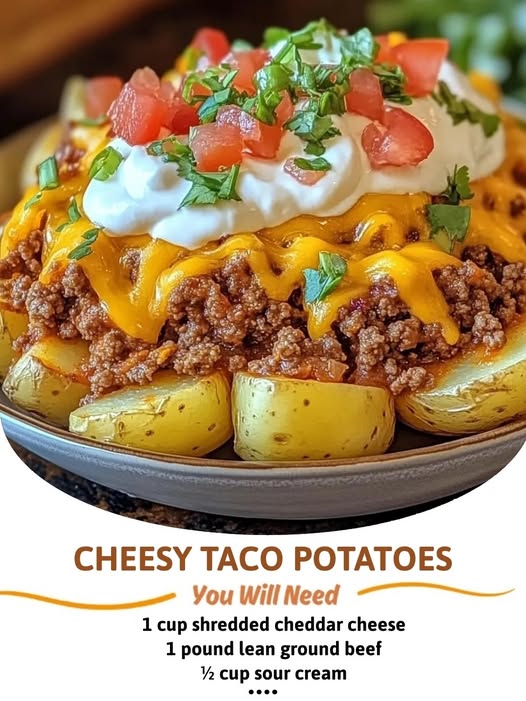
Here’s what I learned the hard way about assembly: layer strategically. Always do beef -> cheese -> oven melt -> cold toppings. If you add the sour cream and lettuce before melting the cheese, they’ll wilt and become sad. That hit of cold, fresh crunch against the molten cheese and savory beef is the entire textural experience of the dish. Don’t compromise it!
For an extra flavor boost, consider the potato itself. After fluffing, I sometimes sprinkle a tiny pinch of salt and a small pat of butter into the potato flesh before adding the beef. It seasons the potato throughout and adds a layer of richness that’s absolutely divine. It’s a small step that makes a big difference.
Common Mistakes to Avoid
My biggest first-time mistake was using potatoes that were too small. They couldn’t hold all the glorious filling, and everything toppled over into a messy (albeit tasty) pile on the plate. Go for large, evenly-sized russets. They are the sturdy vessels this dish deserves. Also, don’t under-season your beef. The potato is a blank canvas, so your taco filling needs to be bold and flavorful. Taste it after adding the seasoning and water and adjust if needed.
Another pitfall is overloading the potato before it’s fully cooked. If the center is still slightly hard, it won’t fluff properly and your toppings will sink into a dense, starchy hole. Be patient and make sure that fork slides into the center with no resistance. It’s the foundation of your whole dish, so get it right. Trust me, I’ve served a few undercooked centers, and it’s disappointing.
Serving Suggestions
I like serving these potatoes right on the baking sheet for a casual, family-style dinner. It lets everyone dig in and creates a fun, interactive meal. For a complete spread, I’ll set out extra toppings in little bowls—sliced jalapeños, black olives, a bottle of hot sauce, and extra lime wedges for squeezing. It turns dinner into a build-your-own adventure.
When I want to make it more of a balanced plate, I serve it with a simple, bright side. A quick cabbage slaw with lime juice or a bowl of charred corn and black bean salad cuts through the richness perfectly. The fresh, acidic elements are the perfect partner for the hearty potatoes.
For a cozy movie night, these potatoes are the entire meal. We each get one on our lap tray, with plenty of napkins. They’re self-contained, delicious, and utterly satisfying. I’ve found they pair wonderfully with a light, fizzy drink like sparkling water with lime or a cold Mexican beer to contrast the creamy, spicy flavors.
Variations & Customizations
The beauty of this recipe is how easily it bends to what you love or what you have. I’ve made a fantastic “taco salad” version by chopping the baked potato into cubes, crisping them in a skillet, and using them as a base for the toppings in a bowl. It’s less messy and equally delicious.
For my friends who don’t eat red meat, ground turkey or chicken works wonderfully here. Just add a tablespoon of olive oil to the pan before browning, as poultry is leaner. I’ve also done a fully loaded vegetarian version using a can of black beans and corn sautéed with the taco seasoning. You miss zero flavor, and it’s just as filling.
I’ve seen others get creative with the cheese, too. A Monterey Jack blend is fantastic, and for a real kick, a pepper jack is incredible. Once, when I was out of sour cream, I used a whipped avocado crema (just avocado, lime, salt, and a splash of water in the blender), and it was a revelation. Make it your own!
How to Store, Freeze & Reheat
From experience, these are best assembled and eaten fresh. However, you can prep components ahead. The cooked taco meat stores beautifully in the fridge for 3 days. The baked potatoes (without toppings) can also be refrigerated for 2-3 days. Reheat the potato in the microwave or oven, then proceed with adding the hot meat, cheese, and fresh toppings.
I do not recommend freezing the fully assembled potato—the texture of the potato and fresh toppings becomes very unpleasant upon thawing. You can, however, freeze the cooked taco meat in a sealed container for up to 2 months. Thaw it in the fridge overnight and reheat it in a skillet with a tiny splash of water when you’re ready to bake fresh potatoes and assemble your masterpiece.
Conclusion
This Cheesy Taco Potatoes recipe is more than just a list of ingredients and steps to me; it’s a memory of a happy kitchen accident that turned into a regular source of joy around my table. It’s hearty, customizable, and always met with happy sighs. I hope it finds its way into your regular rotation and becomes a source of comfort and fun in your home, too. Now, go preheat your oven—your new favorite dinner awaits.