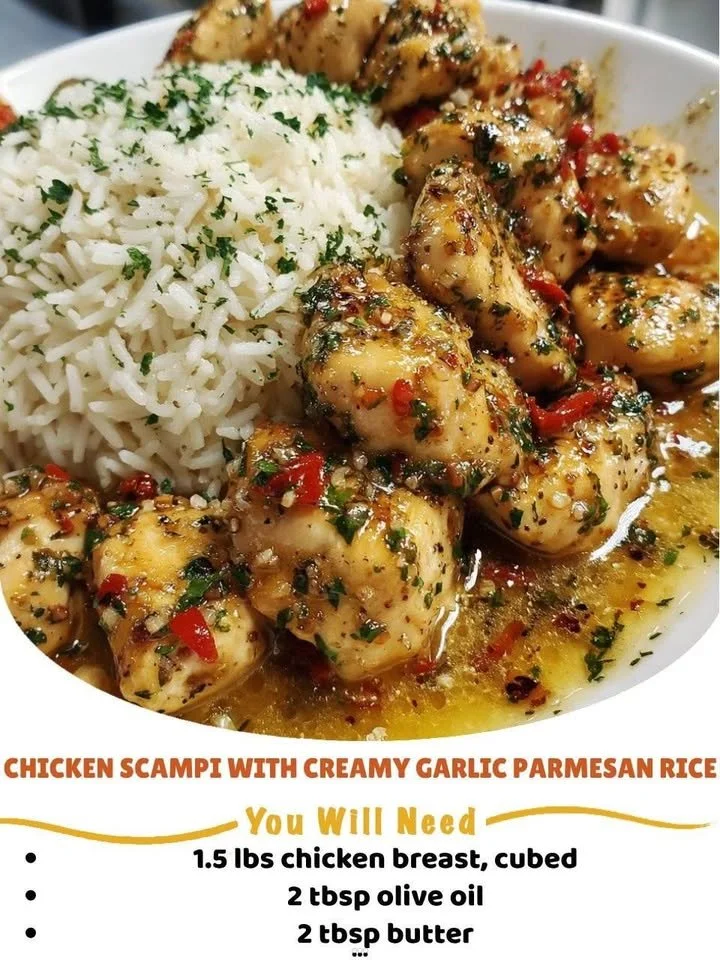
Next, in the same skillet, I add the remaining butter and toss in the minced garlic and red pepper flakes. The aroma is simply divine! After letting the garlic sauté for about 30 seconds, I pour in the white wine (or chicken broth if you prefer), scraping up any tasty bits stuck to the bottom of the pan to create a base full of flavor. I let that simmer for a couple of minutes before adding the lemon juice and zest.
While the sauce is simmering, I bring a medium saucepan of chicken broth to a gentle boil. I stir in the Arborio rice, letting it cook and absorb the flavors, stirring occasionally. The lovely, creamy texture of Arborio rice truly makes a difference in this dish! Once the rice is al dente, I pour in the heavy cream and Parmesan cheese, which creates that rich, creamy goodness we all crave.
Finally, I slice the cooked chicken and nestle it back into the garlic sauce, allowing everything to mingle together before serving. I love to serve this dish warm, garnished with freshly chopped parsley for that pop of color and freshness!
Pro Tips for Best Results
One thing I noticed after testing this recipe several times is the importance of letting the chicken rest after cooking. I used to cut right into it—big mistake! Resting allows the juices to redistribute throughout the meat, keeping it moist and flavorful.
Another tip I’ve learned is to not skip the white wine. It really adds depth to the sauce. If you’re not keen on using wine, I suggest investing in a good quality low-sodium chicken broth; this can elevate the flavor as well.
Lastly, when it comes to the creamy garlic Parmesan rice, I recommend using freshly grated Parmesan. I’ve tried it with pre-grated cheese, and the texture just didn’t compare—the creaminess and flavor are so much better with freshly grated!
Common Mistakes to Avoid
I’ve definitely made my fair share of mistakes while perfecting this recipe! One common issue is overcooking the chicken. I learned the hard way that chicken breast can go from juicy and tender to dry and tough in a matter of seconds. Always use a meat thermometer for perfect doneness at 165°F (75°C). (See the next page below to continue…)