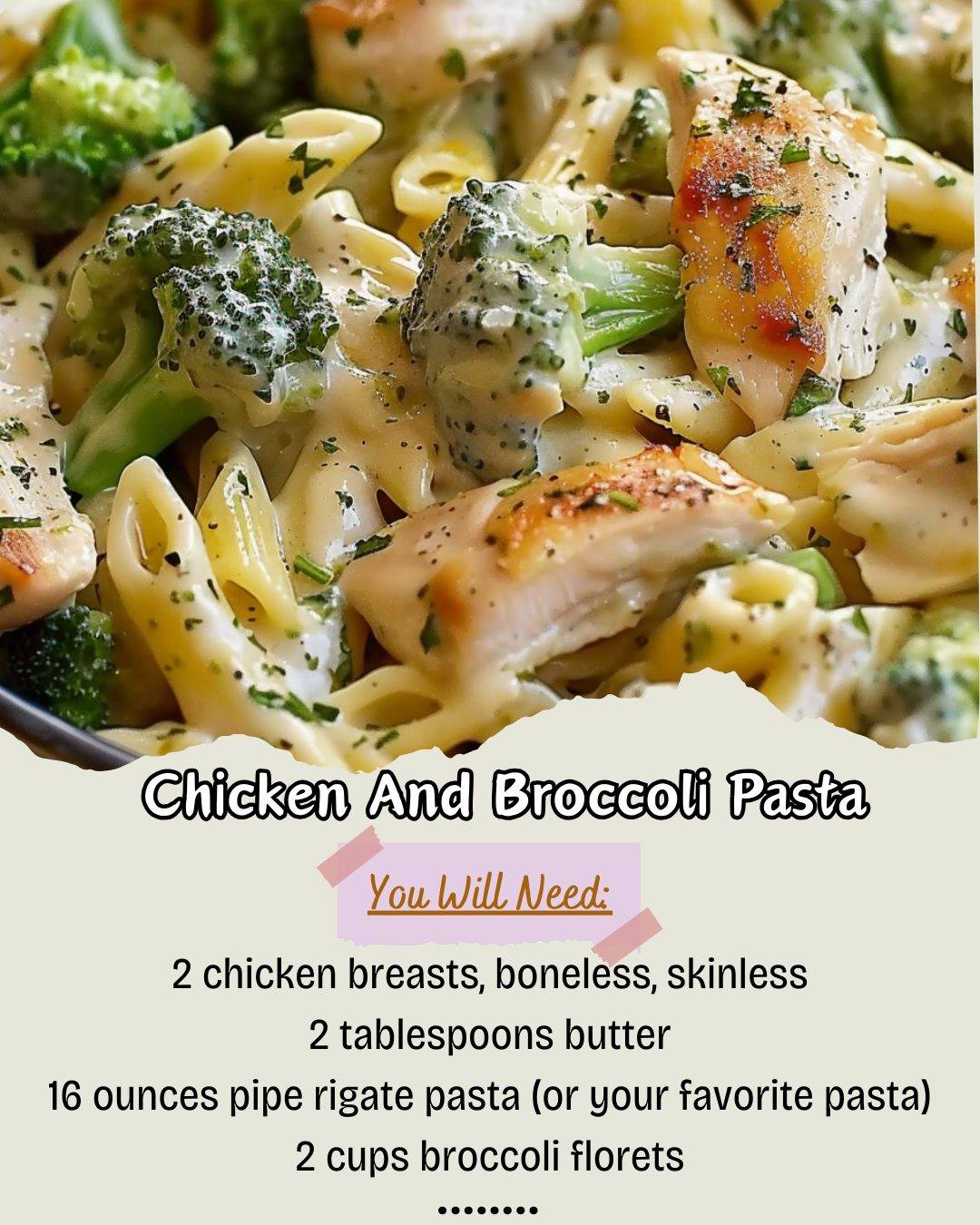
Another pitfall is rushing the sauce. If you add the cheese while the cream is at a rolling boil, it will likely separate. Be patient. Let the cream mixture come down from a boil to a gentle simmer before you turn off the heat and stir in the Parmesan. And for the love of all that is good, don’t use the shelf-stable Parmesan in the green canister. It doesn’t melt properly and has a very different, almost chemical taste compared to a block of real Parmigiano-Reggiano or Grana Padano that you grate yourself. This one ingredient makes a monumental difference.
Serving Suggestions
I love serving this pasta straight from the skillet, family-style, with a big, bright salad on the side. A simple arugula salad with lemon vinaigrette is my go-to because the peppery greens and acidic punch cut through the richness of the creamy pasta beautifully. It balances the meal perfectly. I always put extra grated Parmesan and a crack of black pepper on the table, too, because everyone likes to customize their own bowl.
For drinks, a crisp Pinot Grigio or a light Sauvignon Blanc pairs wonderfully. If you’re not a wine person, sparkling water with lemon is just as refreshing. And while this dish is a complete meal in a bowl, a side of crusty, warm garlic bread is never a bad idea for mopping up any extra sauce left on the plate—my family certainly never complains about it!
Variations & Customizations
This recipe is wonderfully adaptable. When I want a different vegetable, I’ve swapped the broccoli for asparagus (added at the very end) or sun-dried tomatoes (stirred in with the cream). For a richer, smokier flavor, I’ve used thighs instead of breasts—just cook them a few minutes longer. My vegetarian friends love it when I omit the chicken, add some sliced mushrooms to the skillet after the garlic, and use vegetable broth. The mushrooms give it a fantastic, meaty texture.
If you’re a fan of spice, adding a big pinch of red pepper flakes to the garlic as it cooks will give the whole dish a lovely warm kick. And for an extra layer of flavor, sometimes I’ll stir in a tablespoon of pesto at the very end along with the pasta. It adds a herby, garlicky depth that’s absolutely delicious. Don’t be afraid to make it your own!
How to Store, Freeze & Reheat
Leftovers keep beautifully in an airtight container in the fridge for 3-4 days. The key to reheating is low and slow with a splash of liquid. I put a single serving in a skillet over low heat with a tablespoon or two of milk, broth, or water. Cover it and stir occasionally until it’s heated through. The microwave works in a pinch, but it can make the pasta rubbery and the sauce may separate. If you use it, cover the dish and reheat at 50% power, stirring halfway through.
I don’t typically freeze this one, as creamy sauces can sometimes separate when thawed. However, if I have a large amount to save, I’ll freeze it without the broccoli (it can get mushy). To freeze, cool the pasta completely, portion it into freezer bags, squeeze out the air, and lay flat. Thaw overnight in the fridge before reheating gently on the stovetop with extra liquid. It won’t be quite as perfect as fresh, but it’s still a fantastic quick meal.
FAQ Section
Can I use frozen broccoli?
Absolutely, I do it all the time when fresh isn’t available. The trick is to not cook it from frozen in the pasta water, as it will cool everything down and overcook the pasta. Thaw the florets first (I just microwave them for a minute or two) and pat them very dry with paper towels. Then, add them to the skillet with the sauce just to heat through before adding the pasta. This way, you avoid a watery sauce.
What can I use instead of heavy cream?
I’ve experimented with half-and-half, and while it works in a pinch, the sauce will be much thinner and less luxurious. You can make a quick workaround by making a slurry with a tablespoon of cornstarch and a tablespoon of cold milk, then whisking it into the simmering half-and-half to help it thicken. Full-fat coconut milk is a decent dairy-free alternative, but it will impart a coconut flavor.
My sauce is too thin/thick. How can I fix it?
Don’t panic! This happens. If it’s too thin, let it simmer uncovered for a few more minutes to reduce and thicken. You can also create a quick slurry (1 tsp cornstarch + 1 tbsp cold water) and whisk it in. If it’s too thick, that’s where your reserved pasta water is a lifesaver. Add it a splash at a time, tossing constantly, until it reaches the perfect, silky consistency. Remember, the sauce will continue to thicken a bit as it sits.
Conclusion
This Chicken and Broccoli Pasta has earned a permanent spot in my weekly rotation. It’s the kind of meal that feels special enough for company but is simple enough for a hectic Tuesday. The combination of tender chicken, vibrant broccoli, and that incredibly creamy, garlicky Parmesan sauce is just unbeatable. I hope you give it a try and that it brings as much comfort and joy to your table as it does to mine. Happy cooking