Pro Tips for Best Results
I tested the beef marinating three different ways: a long marinade, a quick toss, and none at all. The quick toss (just with a bit of the soy sauce while you prep) won. A long soak in soy sauce can actually start to “cook” and toughen the beef fibers, while no marinade means less flavor penetration. This quick method seasons it just enough without compromising texture.
Getting that restaurant-quality glossy sauce is all about the cornstarch slurry and timing. I’ve made the mistake of adding cornstarch directly to the hot liquid, and it instantly clumped into little gelatinous balls—disaster! Mixing it with cold water first is non-negotiable. Also, add it at the very end, off direct high heat, to control the thickness. You can always add a touch more slurry if needed, but you can’t take it back.
The high heat is your best friend and your worst enemy. I learned the hard way that adding cold beef to a moderately hot pan steams it instead of searing it. Wait until your pan is smoking hot. Conversely, if your garlic and ginger hit that screaming-hot oil alone, they’ll burn in a heartbeat. Always add them with or after the veggies, which lower the pan’s temperature slightly and protect them.
Common Mistakes to Avoid
My biggest first-time mistake was crowding the pan. I was impatient and dumped all the beef in at once. It released so much moisture that it boiled in its own juices, turning grey and tough instead of getting a caramelized sear. Don’t do what I did! Work in batches if you have to, or just use a big enough wok and give each piece some space to sizzle properly.
Another lesson from the school of hard knocks: slicing with the grain instead of against it. I didn’t pay attention one rushed evening and sawed my steak along the long muscle fibers. The result? Chewy, stringy strips of beef that no amount of velveting could save. Take a second to identify the direction of the fibers on your steak before you slice, and cut perpendicular to them. It transforms the texture completely.
Serving Suggestions
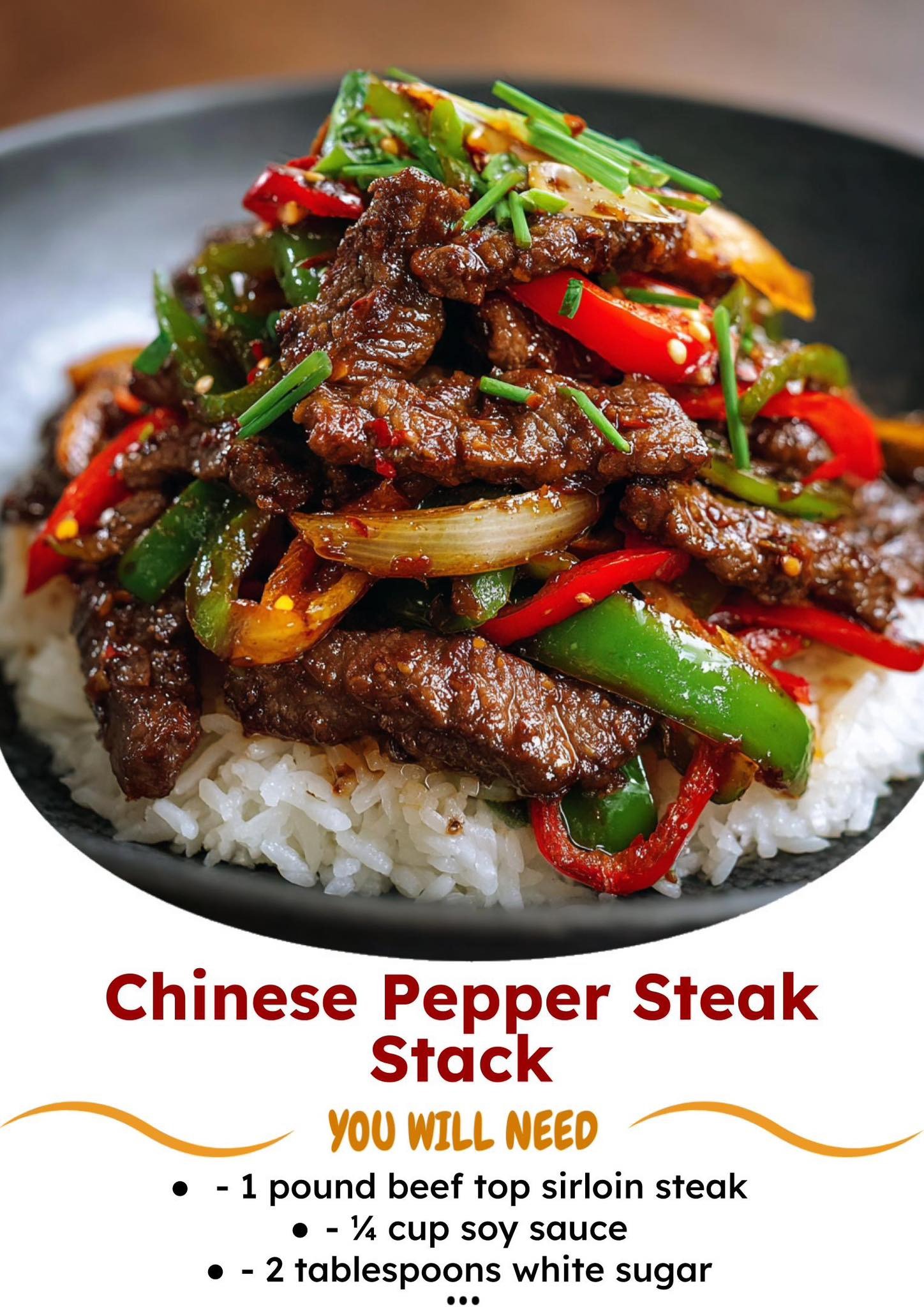
I love serving this Pepper Steak straight from the wok over a giant, fluffy mound of steamed jasmine rice. The rice is the perfect vehicle to soak up every last drop of that incredible sauce. For a lower-carb option, I’ve also spooned it over cauliflower rice, and it’s still fantastic, though I’ll admit, traditional white rice is my personal favorite pairing.
To round out the meal, I often add a simple, cooling side to contrast the rich, savory stir-fry. A quick cucumber salad dressed with a little rice vinegar and sesame seeds is my go-to. It adds a fresh, crunchy element that cleanses the palate between bites. Sometimes, if I’m feeling ambitious, I’ll steam some broccoli or bok choy right in the microwave while the stir-fry cooks.
Leftovers (if you’re lucky enough to have any) are a dream lunch. I pack them up with the rice, and it reheats beautifully. The flavors seem to meld and deepen overnight, making it taste even better the next day. It’s a rare treat when a dish is both spectacular fresh and a fantastic leftover.
Variations & Customizations
This recipe is wonderfully adaptable. I’ve made a spicy version by adding a couple of thinly sliced fresh Thai chilies or a big spoonful of chili garlic sauce when I add the garlic and ginger. It gives a fantastic kick that builds slowly. My partner loves it this way, and it only requires that one simple addition to completely change the profile.
You can absolutely mix up the vegetables based on what’s in your fridge. I’ve added sliced mushrooms (add them with the peppers) and snap peas (throw them in during the last minute of cooking). I tried broccoli once, but found it needs a quick blanch first to cook through in time. The bell pepper and onion base is classic, but don’t be afraid to play.
For a different protein, I’ve used thinly sliced chicken thighs with great success. They stay juicy and absorb the sauce beautifully. I wouldn’t recommend a lean chicken breast here, as it can dry out too quickly in the high-heat stir-fry process. The marinade and method work just as well for the chicken thighs, making this a versatile blueprint.
How to Store, Freeze & Reheat
To store leftovers, I let the dish cool completely before transferring it to an airtight container. It keeps well in the refrigerator for up to 3 days. The peppers will soften a bit, but the flavor is still outstanding. I always store the rice separately to keep the texture of both components at their best.
This stir-fry freezes surprisingly well! I pack cooled portions in freezer-safe bags, press out all the air, and lay them flat to freeze. They’ll keep for up to 2 months. To reheat, I thaw overnight in the fridge and then warm it gently in a skillet over medium heat with a tiny splash of water or broth to loosen the sauce. Microwaving is fine in a pinch, but the skillet method helps revive the texture of the beef and peppers much better.
Conclusion
This Chinese Pepper Steak recipe is more than just a meal for me; it’s a little kitchen victory I get to enjoy again and again. It’s proof that with a few good techniques and a handful of simple ingredients, you can create something truly special that rivals your favorite takeout. I hope it finds a regular spot in your rotation and brings as much sizzle, flavor, and joy to your table as it has to mine. Now, go heat up that wok—I can’t wait for you to taste it.