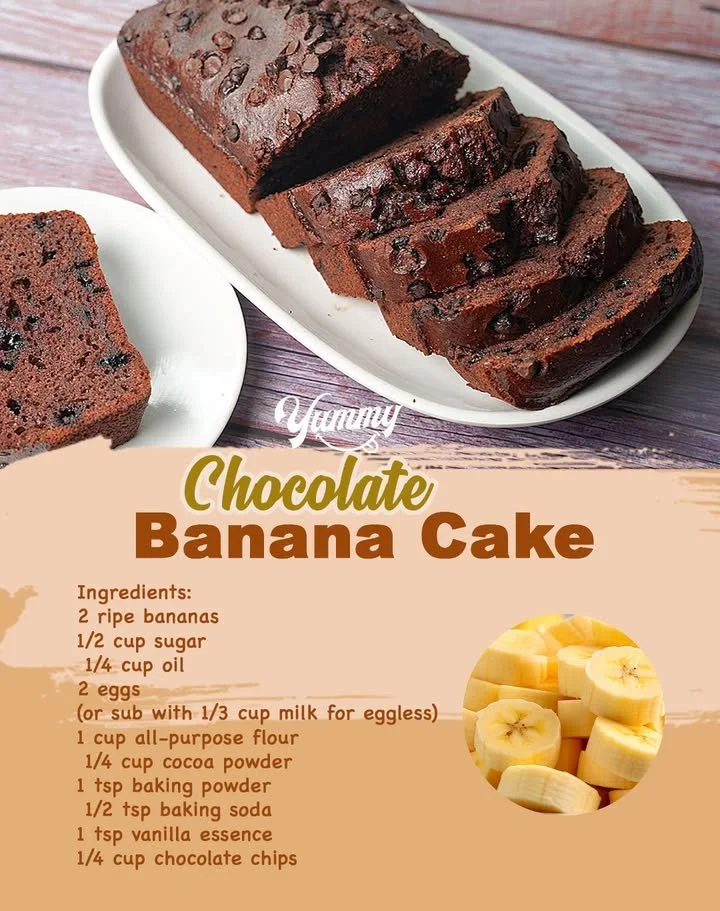
Next, I stir in the vanilla extract, which adds a lovely aroma that makes everything feel even more inviting. In a separate bowl, I whisk together the dry ingredients: cocoa powder, flour, baking powder, baking soda, and salt. The rich chocolatey scent wafts through my kitchen as I sift the cocoa—this is one of my favorite parts! I gradually add the dry ingredients to the banana mixture, alternating with buttermilk. The batter should be smooth and glossy, inviting you to take a taste (it’s okay, I won’t tell!).
Once the batter is ready, I divide it evenly between the prepared cake pans. If I’m feeling indulgent, I sprinkle some chocolate chips on top for an extra chocolatey surprise. The cakes go into the oven for about 30-35 minutes. I love to peek in halfway through and watch them rise and bake! Once they’re done, I let them cool in the pans for a little while before transferring them to a cooling rack—honestly, the smell is absolutely heavenly.
Pro Tips for Best Results
I tested this recipe three ways: with ripe bananas, slightly overripe bananas, and some that were just starting to brown. Let me tell you, the overripe bananas really take the cake (pun intended) in terms of flavor. The natural sweetness enhances everything beautifully!
Also, I found that using oil instead of butter keeps the cake moist longer. If the cake has a chance to sit for a day, it only gets better. I recommend letting it cool completely before wrapping it up to maintain that delightful moisture.
Finally, for a frosting that could rival the cake, I suggest a simple chocolate ganache. Just melt chocolate with heavy cream, and once it cools a bit, pour it over your cake for a glossy, decadent finish!
Common Mistakes to Avoid
One common mistake I made early on was not measuring the bananas. Trust me, too much banana can lead to a gummy texture. I recommend using about three medium bananas to achieve the perfect balance. If you find yourself with only two or four bananas, err on the side of measuring!
Another pitfall is mixing the batter too much. Once the dry and wet ingredients are combined, mix just until they’re incorporated. You want a few lumps for a light, fluffy cake. Overmixing develops the gluten in the flour, leading to a denser texture, which is not what we want.
Also, not testing your cake for doneness can be misleading. I learned the hard way by pulling out a cake that looked perfect but was undercooked inside. The toothpick test is a lifesaver—just insert it in the center, and it should come out clean or with a few crumbs sticking to it.
(See the next page below to continue…)