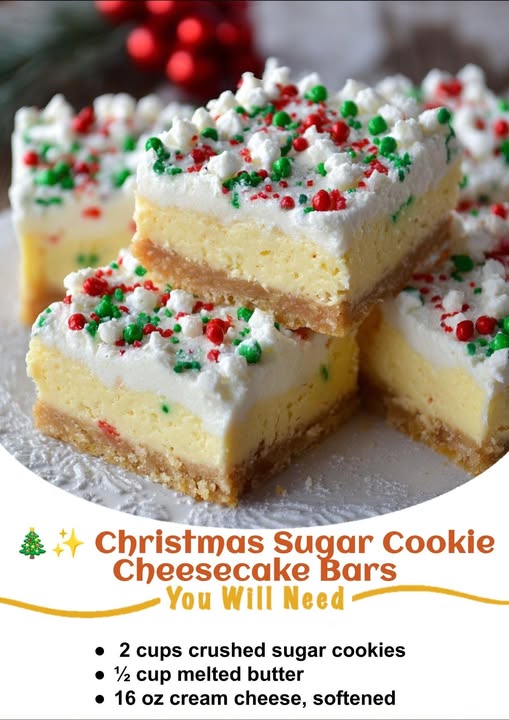
Finally, for picture-perfect slices, I have a little ritual. I place the whole chilled slab on a cutting board. I fill a tall glass with very hot water, and I keep a clean kitchen towel and my sharp knife next to it. I dip the knife in the hot water, wipe it dry, and make a cut. I repeat this—heat, wipe, cut—for every single slice. It takes an extra minute, but it gives you those stunning, professional-looking clean edges with no drag or crumbs. It’s a step that makes all the difference for presentation.
Common Mistakes to Avoid
The most common mistake is overmixing after adding the eggs. When you incorporate the eggs, mix on the lowest speed until you just no longer see yellow streaks. The moment it’s combined, stop the mixer. Over-beating incorporates too much air, which rises and then collapses in the oven’s heat, creating cracks and a less dense, almost spongy texture. I made this mistake the first time I ever made cheesecake anything—I was so nervous about lumps that I beat it into submission. The result was a puffy, cracked top that sank into a dense layer. Less is truly more here.
Another easy misstep is not pressing the crust firmly enough into the pan. A loosely packed crust will not hold together when you go to slice your bars, leaving you with a crumbly base that separates from the cheesecake layer. Use something flat and solid, like the bottom of a measuring cup or a glass, and really apply some even pressure. I also like to press it slightly up the sides to create a tiny “wall” that helps contain the filling. Don’t be gentle—this crust needs to be compact!
Serving Suggestions
I love serving these bars straight from the fridge, cold and firm. A simple dusting of powdered sugar or a drizzle of extra cookie frosting looks beautifully festive on a platter. For a special touch, I add a dollop of freshly whipped cream and a sprinkle of crushed candy cane or festive sprinkles on top. The contrast of the cool, rich cheesecake with the light, sweet whipped cream is absolutely divine.
If you’re serving them as part of a larger dessert spread, I like to cut them into smaller, bite-sized pieces. They pair wonderfully with a cup of strong coffee, hot cocoa, or even a glass of dessert wine. During the holidays, I often arrange them on a tiered stand alongside other cookies. Their creamy texture makes them a standout, and they’re always the first treat to disappear from the table.
Variations & Customizations
The beauty of this recipe is its adaptability. For a peppermint twist, I’ve added 1/4 teaspoon of peppermint extract to the filling and sprinkled crushed candy canes on top after baking. It’s incredibly refreshing! You can also mix in a handful of mini chocolate chips or even swirl in some chocolate sauce or fruit preserves into the batter before baking for a marbled effect. I once made a “gingersnap” version by using crushed gingersnaps for the crust and adding a pinch of cinnamon and nutmeg to the filling—it was a huge hit.
For those who love a contrast, try a topping. After the bars have chilled, you can spread a thin layer of strawberry or raspberry jam over them. Or, melt some chocolate with a touch of cream to create a ganache to pour over the top. If you’re a fan of nuts, a sprinkle of toasted pecans or walnuts on the crust before adding the filling adds a wonderful crunch. My friend makes hers with a lemon zest-infused filling, which cuts the sweetness beautifully. Don’t be afraid to make it your own!
How to Store, Freeze & Reheat
To store, keep the bars covered tightly in the original pan or in an airtight container in the refrigerator. They will stay fresh and delicious for up to 5 days. I find the flavor actually improves after a day or two. If you’ve already cut them, you can layer them between sheets of parchment paper in a container to prevent sticking.
These bars freeze exceptionally well for longer storage—a true lifesaver during the busy holidays. I freeze the whole uncut slab or individual bars first on a parchment-lined baking sheet until solid (about 2 hours), then wrap them tightly in plastic wrap and place them in a freezer bag. They’ll keep for up to 3 months. To serve, simply thaw them overnight in the refrigerator. I do not recommend reheating them, as cheesecake is best served cold. The texture remains perfect after thawing.
FAQ Section
Can I use a different type of cookie for the crust?
Absolutely! I’ve experimented with graham crackers, vanilla wafers, and even shortbread cookies with great success. Just be sure you still have about 2 cups of fine crumbs. The flavor will change, of course—a gingersnap crust is fantastic for a spiced version. The key is maintaining the same cookie crumb to melted butter ratio so your crust holds together properly.
My filling cracked! What did I do wrong?
Don’t worry, it still tastes amazing! Cracking usually happens from overmixing (incorporating too much air), overbaking, or cooling too quickly. As long as you followed the jiggle-test for doneness and let it cool gradually, a few small cracks are just part of its homemade charm. That’s what toppings like whipped cream or fruit are for—to deliciously disguise any imperfections!
Do I have to use an 8×8 pan?
You can use a 9×9 pan, but your bars will be slightly thinner and will bake a few minutes faster. I’d start checking at the 30-minute mark. I wouldn’t recommend a larger pan, as the layers become too thin. If you only have a 9×13, I’d recommend doubling the entire recipe to maintain that perfect, substantial bar texture we all love.
Conclusion
Baking these Christmas Sugar Cookie Cheesecake Bars has become one of my favorite holiday rituals. It’s more than just a dessert; it’s the smell that fills the house, the joy of sharing something homemade, and the perfect combination of two beloved treats. I hope this recipe brings as much warmth and delight to your kitchen as it has to mine. Give it a try, share it with loved ones, and savor every creamy, crumbly bite. Happy baking, and from my kitchen to yours, Merry Christmas.