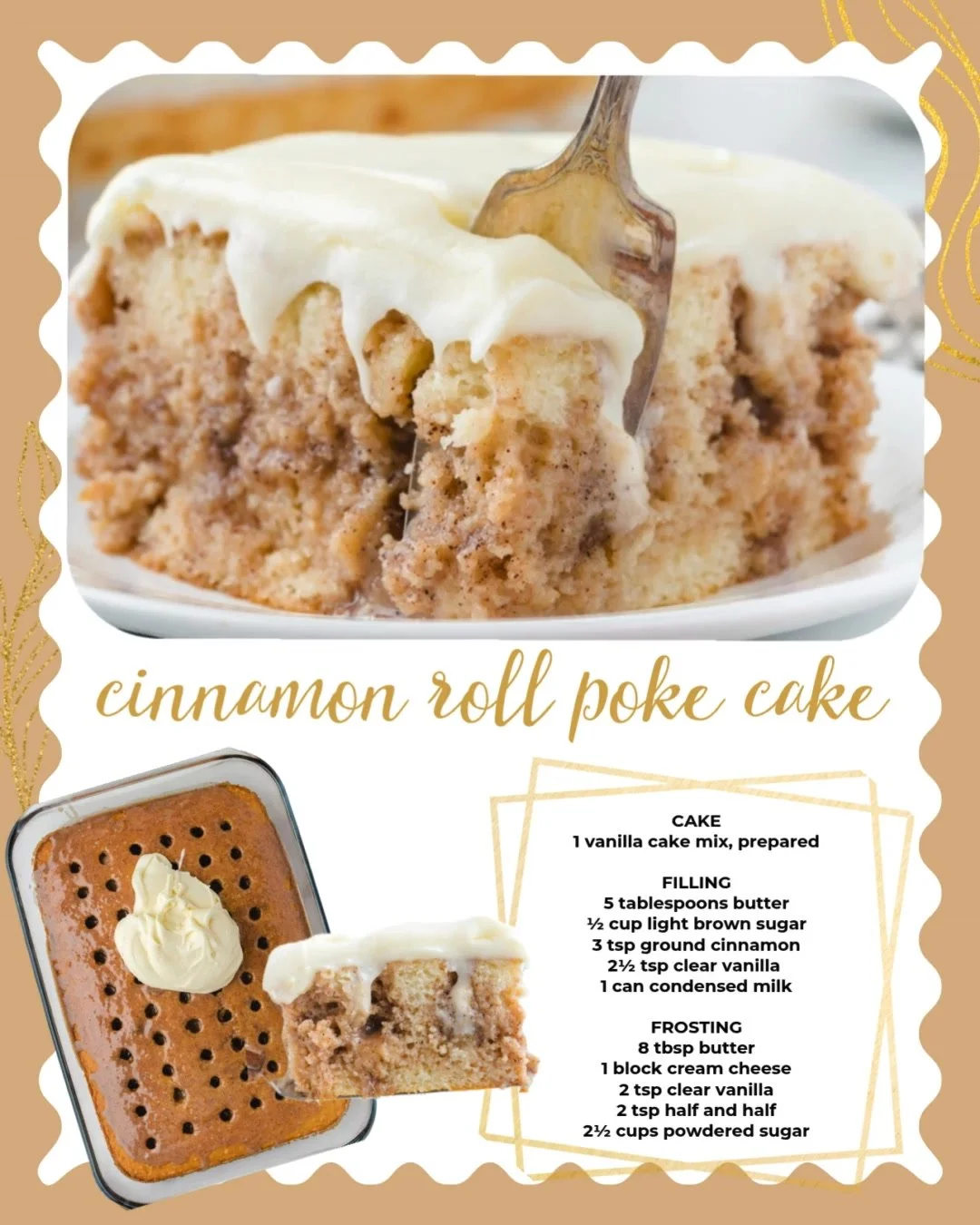
Now, into my greased baking pan goes half of this luscious batter. Next, I prepare the cinnamon swirl mixture by combining the brown sugar and cinnamon in a small bowl. I sprinkle it over the batter in the pan, then pour the remaining batter on top. It’s always so satisfying to see the layers form! I use a knife or skewer to gently swirl the cinnamon mixture into the batter—just a few swirls for that perfect marbled look. After that, I pop it into the oven and let the magic happen for about 30-35 minutes. I always keep an eye on it, as every oven can behave a bit differently!
While the cake cools on a rack, I prepare the icing. In a small bowl, I whisk together the powdered sugar and enough milk until I reach a smooth and drizzly consistency. Once the cake is completely cooled, I can’t resist drizzling the icing lovingly over the top. The sweet smell of the cinnamon and sugary glaze wafts through my kitchen, and I just can’t wait to dig in. It’s beautiful, inviting, and oh-so-delicious!
Pro Tips for Best Results
After testing this recipe a few times, I found that using room temperature ingredients makes a noticeable difference in the texture of the cake. I always let my butter and milk sit out for about 30 minutes before I start mixing. You won’t believe how fluffy the cake turns out!
Another tip is to keep an eye on your baking time. A toothpick inserted into the center should come out clean or with just a few moist crumbs. If it starts to brown too quickly on top, I recommend covering it loosely with foil to prevent burning while allowing it to finish baking thoroughly.
Lastly, don’t skip the swirling step with the cinnamon mixture! It’s tempting to just pour it in and be done with it, but those swirls create beautiful pockets of cinnamon goodness throughout the cake. The little bursts of flavor are what make this dessert so dreamy!
Common Mistakes to Avoid
One common mistake I used to make was using cold ingredients straight from the fridge. It’s tempting to rush, but the texture suffers when the butter and milk aren’t at room temperature. Trust me; the smoother batter you create, the better the cake will rise!
Another pitfall is not measuring the flour correctly. I learned the hard way that dipping the measuring cup directly into the flour can pack it down, leading to a dry cake. Instead, I fluff the flour in its container first, then spoon it into the measuring cup and level it off with a knife for accuracy.
Also, be careful not to overmix the batter. It’s easy to think that mixing more will create a fluffier cake, but overmixing can make it dense and chewy. Just mix until the ingredients are combined and you’re good to go!
Lastly, always let the cake cool completely before icing it. I know the temptation to drizzle that creamy icing while it’s still warm is strong, but waiting really makes a difference. If the cake is warm, the icing will melt and run off instead of maintaining that beautiful drizzled look! (See the next page below to continue…)