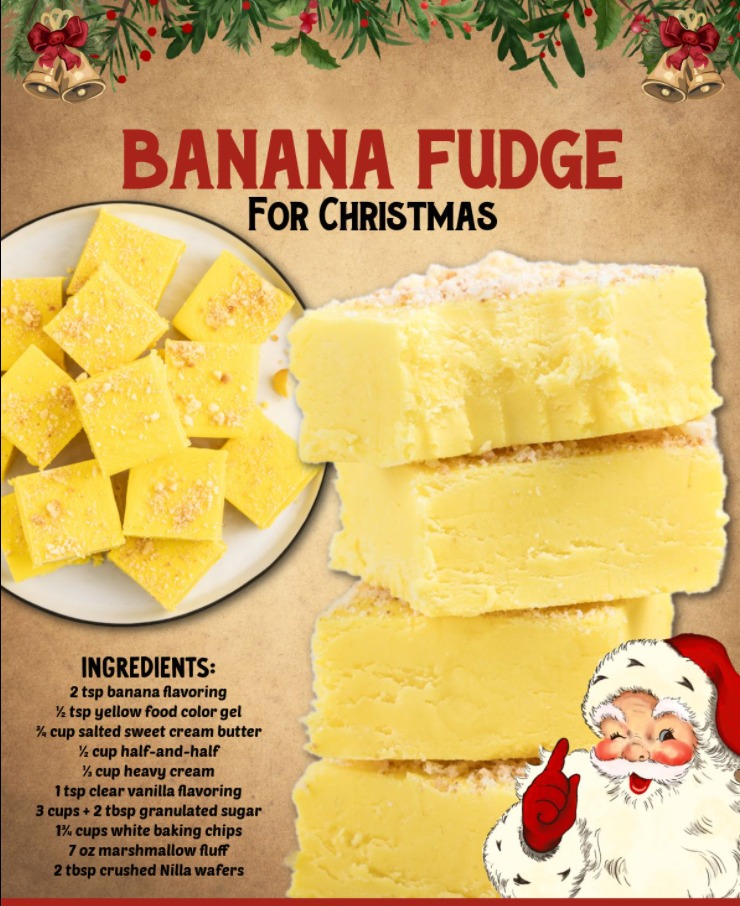
Step-by-Step Instructions
First, we build our base. I combine the sugar, butter, half-and-half, and heavy cream in my heavy pot over medium heat. This is where patience begins. I stir constantly with my wooden spoon until the butter melts and the sugar dissolves, then I clip on my candy thermometer. I let it come to a full, rolling boil without stirring—this is critical!—until it reaches 235°F (soft-ball stage). I watch it like a hawk; just a few degrees over and your fudge can become crumbly. The kitchen smells like sweet, buttery heaven at this point.
Once we hit temperature, I immediately remove the pot from the heat. Here’s a tip I learned from experience: let it sit, untouched, for about 10 minutes to cool slightly. If you add your chips and fluff right away, the heat can separate them. After it cools, I whisk in the marshmallow fluff until it’s fully melted and smooth. Then, I stir in the white baking chips until they’re completely melted into the silky mixture. Finally, I beat in the banana flavoring, clear vanilla, and just a tiny dab of yellow food color gel for that perfect sunny hue.
Now, for the final pour. I quickly transfer the thick, glorious mixture into my prepared pan. I use my spatula to spread it into an even layer—work fast, as it begins to set quickly. The last step is my favorite: I immediately sprinkle the top with those finely crushed Nilla wafers and gently press them in. Then, the hardest part begins. I walk away and let it set at room temperature for a full 4 hours, no peeking! Rushing this leads to a messy cut. Once it’s firm, I use the parchment paper to lift it out and cut it into small squares.
Pro Tips for Best Results
I tested this recipe three different ways to get it just right, and the single most important tip is temperature control. Your candy thermometer is your guide, but make sure it’s accurate! I test mine in boiling water (it should read 212°F) before I start. Also, resist every urge to stir while it’s boiling. I did that once, and it caused the sugar to crystallize on the sides of the pot, leading to a grainy texture in the finished fudge. Let it bubble away undisturbed.
Timing your additions is everything. When you take the pot off the heat at 235°F, let it cool for those full 10 minutes. I was impatient once and added the chips immediately; they seized up and left little oily streaks throughout my batch. Waiting allows the mixture to cool just enough to melt them gently and evenly. Also, have all your ingredients measured and ready to go (what chefs call mise en place) before you turn on the stove. Fudge making moves quickly at the end!
For the creamiest texture, don’t overbeat when you add the flavorings. Just stir until everything is uniformly combined. Over-beating can incorporate too much air and make the fudge less dense and creamy. And for picture-perfect squares, I use a large, sharp chef’s knife and wipe it clean with a hot, damp cloth between each cut. It gives you those clean, professional edges that make your fudge look as good as it tastes.
(See the next page below to continue…)