Pro Tips for Best Results
I’ve tested this lasagna three different ways, and the method of browning the beef well, then simmering the sauce, is what separates a good lasagna from a great one. Don’t rush the browning; those little caramelized bits are flavor gold. Also, seasoning each component is key. Taste your sauce before assembling and adjust the salt and herbs if needed. The ricotta mixture should also be well-seasoned from the Parmesan and parsley.
Here’s what I learned the hard way about the noodles: not only should you cook them al dente, but after draining, give them a very quick rinse with cool water. It stops the cooking process immediately and removes excess starch that can make them gummy. Just a quick pass under the tap—don’t chill them completely. Lay them out flat immediately so they don’t glue themselves together.
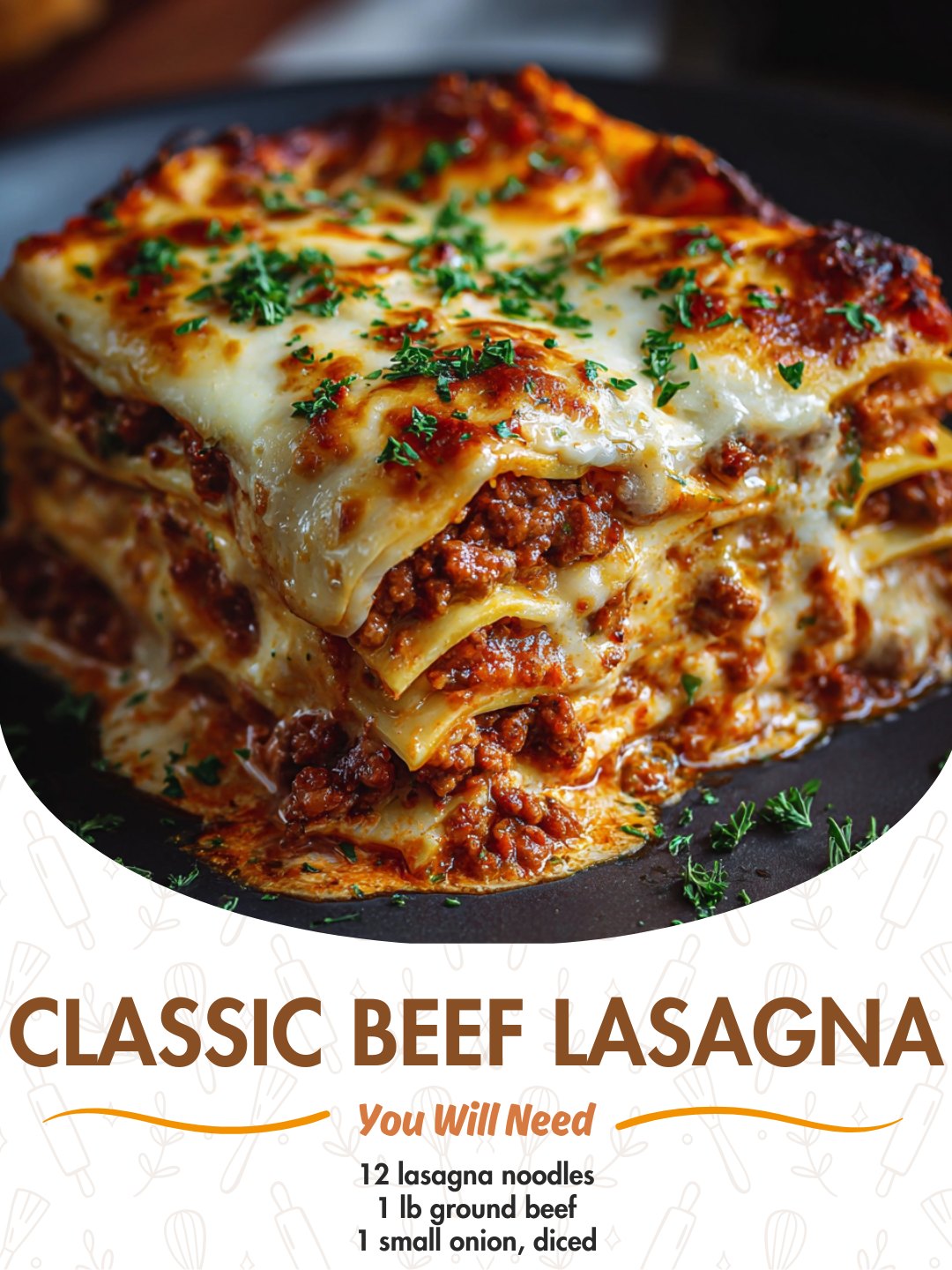
Finally, the rest period is not a suggestion. The first time I made this, I was too excited and cut in after 5 minutes. It was a delicious, cheesy puddle—still tasty, but not the picture-perfect slice I wanted. Giving it a full 20 minutes to settle means every layer holds its place, making the serving process (and the photos!) so much more satisfying.
Common Mistakes to Avoid
A big mistake I made the first time was using pre-shredded, bagged mozzarella. It contains starch to prevent clumping, which means it doesn’t melt into that smooth, creamy, stretchy layer we all dream of. It melts into a greasy, sometimes rubbery sheet. Shredding a block of whole-milk, low-moisture mozzarella yourself is a game-changer for texture and flavor. Don’t do what I did—take the extra five minutes to shred your own cheese.
Another common pitfall is over-saucing the layers. It’s tempting to use all that gorgeous sauce, but if you add too much, the lasagna becomes soupy and the layers slide apart. You want a moderate amount between each layer. Remember, the noodles and cheeses release moisture as they bake too. I aim for just enough sauce to cover the previous layer completely, but not so much that it’s swimming.
Serving Suggestions
I like serving this lasagna with the simplest of sides to let it truly shine. A crisp, green salad with a sharp vinaigrette is my absolute favorite pairing. The acidity and freshness cut through the richness of the lasagna perfectly. My go-to is just some romaine lettuce, thinly sliced red onion, and a basic lemon-garlic vinaigrette.
For a more rustic, Italian-style meal, I’ll add a side of garlic bread. But not just any garlic bread—I take a baguette, slice it, brush it with garlic-infused butter, sprinkle with a little parsley and Parmesan, and toast it until crisp. It’s ideal for scooping up any saucy bits left on the plate. A side of roasted vegetables, like broccoli or asparagus with a squeeze of lemon, also works beautifully for a balanced plate.
When it comes to drinks, I always think of a medium-bodied red wine like a Chianti or a Sangiovese. Their bright acidity and cherry notes complement the tomatoes and beef wonderfully. For a non-alcoholic option, sparkling water with lemon or a simple Italian soda feels just right.
Variations & Customizations
One of my favorite variations is adding a layer of vegetables. I’ll often sauté about 8 ounces of sliced mushrooms with the onions or add a layer of thawed and squeezed-dry frozen spinach right into the ricotta mixture. It’s a fantastic way to sneak in some extra nutrients and adds another dimension of flavor and texture. I’ve even done a “kitchen sink” version with finely chopped bell peppers and zucchini.
For a richer, more decadent twist, try substituting half of the ground beef with Italian sausage (mild or hot, depending on your preference). The fennel and spices in the sausage make the sauce incredibly deep and complex. I’ve tried this for a holiday gathering, and it was a massive hit. You can also swap the ricotta for a béchamel sauce if you prefer a more traditional Northern Italian style—it’s creamier and less grainy.
If you’re cooking for someone who doesn’t eat beef, ground turkey or a plant-based ground “meat” substitute works well here. Just be sure to adjust your seasoning, as they can be milder in flavor. I’ve also made a half-and-half batch with a beef layer on one side and a veggie layer on the other to please everyone at the table.
How to Store, Freeze & Reheat
From experience, leftover lasagna stores beautifully. Once completely cooled, cover the baking dish tightly with foil or transfer individual portions to airtight containers. It will keep in the refrigerator for 4-5 days. To reheat, I find covering a portion with a damp paper towel and microwaving it in 60-second intervals works well to keep it from drying out. For larger portions, I reheat them covered with foil in a 350°F oven until warmed through, about 20-30 minutes.
This lasagna is a champion freezer meal. You can freeze the entire unbaked assembled dish (wrap it very tightly in both plastic wrap and foil) for up to 3 months. Thaw it in the refrigerator for 24 hours before baking as directed. I also freeze individual baked portions. I wrap each slice in plastic, then foil, and store them in a freezer bag. To reheat a frozen slice, I bake it from frozen, covered, at 350°F for about 45 minutes, or until hot all the way through. The texture holds up remarkably well.
Conclusion
This Classic Beef Lasagna is more than just a recipe in my home; it’s a cornerstone of my cooking repertoire and a dish that never fails to bring people together with its hearty, comforting embrace. I hope my tested tips and honest lessons help you create your own perfect version. Don’t be intimidated by the layers—embrace the process, enjoy the aromas filling your kitchen, and get ready for the compliments. Now, go preheat that oven. Your new favorite family dinner awaits.