Pro Tips for Best Results
My first time, I was impatient and had the heat too high. I learned the hard way that even a medium flame can cause the sweetened condensed milk to stick and create little burnt specks. The lowest heat setting is your best friend; it takes a few extra minutes but guarantees a perfectly smooth, unblemished fudge. It’s a lesson in gentle cooking that pays off in flawless texture.
When it comes to stirring, use a silicone spatula if you have one. I’ve found it scrapes the sides and bottom of the saucepan more effectively than a wooden spoon, ensuring you incorporate every bit of melting chocolate and don’t leave any goodness behind. And don’t stop stirring until it’s utterly smooth. Any unmelted chips will result in grainy spots in your finished fudge.
For the cleanest cuts, I have a little ritual. I wipe my sharp knife clean with a warm, damp cloth between each slice. It seems fussy, but it makes those professional-looking, sharp-edged squares instead of ragged ones. It’s the difference between homemade and “homemade-with-love-and-expertise.”
Common Mistakes to Avoid
A big mistake I made early on was trying to double the batch in the same saucepan. It seems logical, but it makes the mixture too thick and difficult to stir evenly before the bottom overheats. If you need more fudge, make two separate batches. It’s just as fast and ensures perfect results every single time.
Also, resist the urge to add extras like nuts or dried fruit directly into the hot fudge mixture if you’re going for that classic, smooth texture. They can introduce moisture or cause the fudge to set unevenly. If you want mix-ins, press them gently onto the top along with your sprinkles after you’ve poured it into the pan.
Serving Suggestions
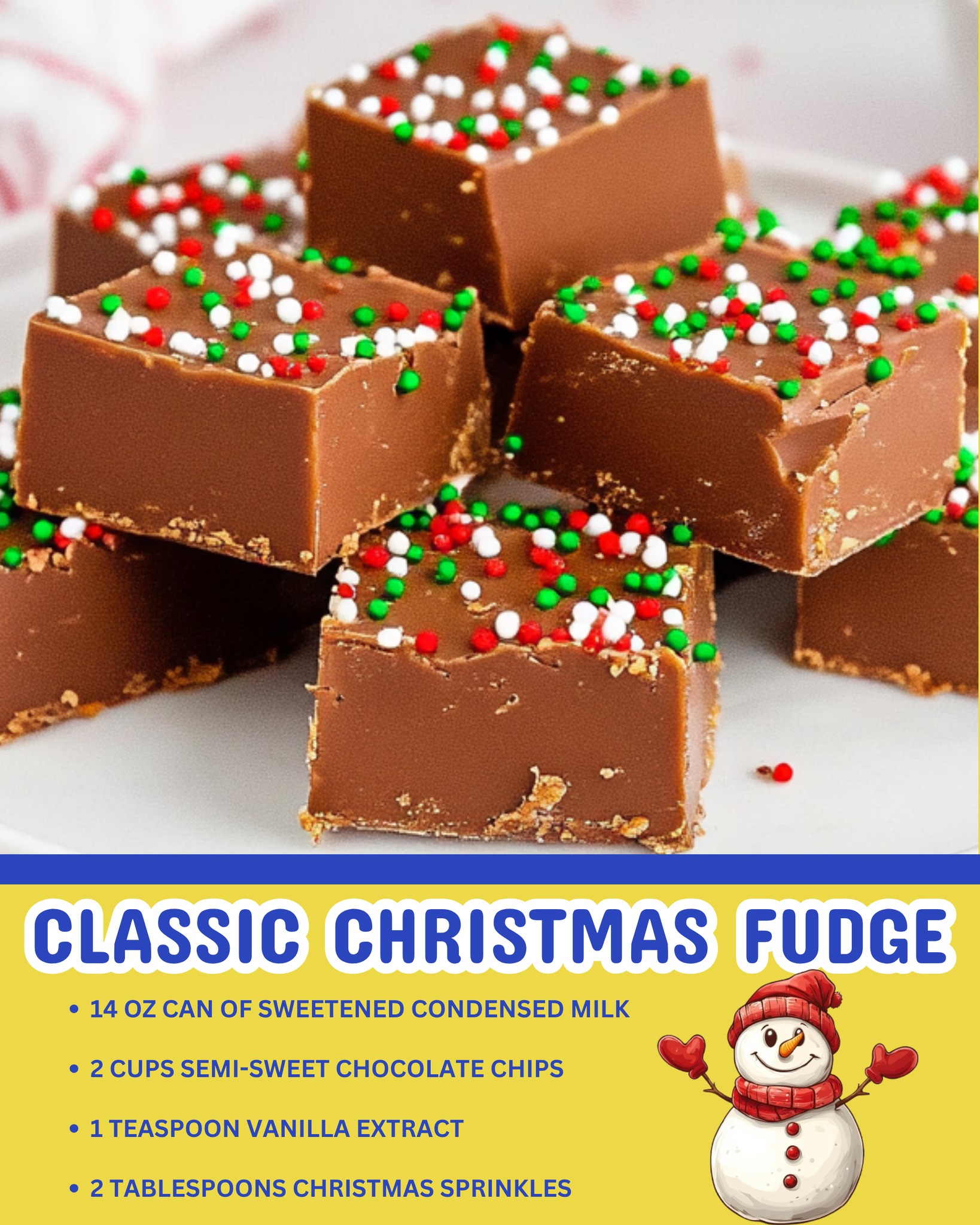
I love presenting this fudge stacked on a vintage cake stand or a simple holiday platter. It’s so beautiful with those colorful sprinkles that it needs very little adornment. I often pair it with other contrasting treats on a dessert board, like tart cranberry-orange cookies or salty roasted nuts, which balance the fudge’s deep sweetness perfectly.
For gifting, I get clear cellophane bags and tiny red ribbons. I’ll pack a few squares into each bag, and they make the most heartfelt, handmade gifts for teachers, neighbors, or postal workers. I always include a little note with the flavor—it feels so much more personal than a store-bought box.
During my own holiday parties, I like to set out a plate of this fudge alongside coffee and after-dinner liqueurs. It’s the ideal rich, small bite to end a festive meal. Watching guests take that first bite and their eyes light up with recognition of that classic, creamy fudge flavor is one of my favorite holiday moments.
Variations & Customizations
Once you’ve mastered the classic, the fun begins! One of my favorite variations is Peppermint Christmas Fudge. I substitute ½ teaspoon of peppermint extract for the vanilla and crush up candy canes to press on top instead of sprinkles. The cool peppermint with the dark chocolate is incredibly festive and refreshing.
For a nutty twist, try stirring ¾ cup of toasted pecans or walnuts into the fudge just before pouring it into the pan. The toastiness cuts through the richness wonderfully. I’ve also seen friends make a “Rocky Road” version by folding in mini marshmallows along with chopped nuts.
If you’re a white chocolate fan, this method works beautifully too. Use high-quality white chocolate chips and follow the same process. For this version, I’ll sometimes swirl in a tablespoon of raspberry jam at the end for a pretty marbled effect and a fruity tang.
How to Store, Freeze & Reheat
This fudge stores brilliantly at room temperature. I keep mine in an airtight container, with layers separated by parchment paper, right on the counter for up to two weeks. It stays perfectly soft and creamy. I avoid the fridge because it can dry out the texture and cause condensation, which makes the sprinkles bleed.
Yes, you can freeze this fudge! I wrap the whole slab or individual pieces tightly in plastic wrap, then place them in a freezer bag. It keeps for up to 3 months. To thaw, I simply let it sit, still wrapped, on the counter for a few hours. This prevents any moisture from settling on it. There’s no need to reheat it—it’s meant to be enjoyed cool and firm.
Conclusion
This Classic Christmas Fudge has become more than a recipe in my home; it’s a tradition, a moment of calm in the holiday chaos, and a simple, delicious gift from my kitchen to the people I love. I hope it brings as much joy and sweetness to your home as it has to mine. Give it a try, make it your own, and most importantly, share it. Happy holidays, and happy baking