Common Mistakes to Avoid
I made a classic mistake my first time: I didn’t heat-treat the flour. I figured, “It’s a tiny amount, what’s the worst that could happen?” and just used it raw. While the fudge was delicious, I spent the next 24 hours with a nervous knot in my stomach about food safety. It’s simply not worth the risk for such a simple step. Bake that flour and let it cool completely. It takes five minutes and grants total peace of mind, allowing you to enjoy every morsel without a second thought.
Another pitfall is substituting the sweetened condensed milk. I’ve seen people try to use evaporated milk with added sugar, or worse, a dairy-free alternative without adjusting for texture. Trust me on this one—the specific consistency and sweetness of full-fat, name-brand sweetened condensed milk is irreplaceable here. It’s the backbone of the fudge’s creamy, sliceable structure. Using anything else will likely leave you with a soupy or crumbly mess. Stick to the classic can for guaranteed success.
Serving Suggestions
I love serving this fudge straight from the fridge, cut into small, rich squares. The cool, firm texture is divine. For a party, I arrange them on a vintage cake stand and watch them disappear. They’re rich, so small pieces are perfect. I always put out a pot of strong black coffee or tall glasses of ice-cold milk—the bitter coffee or creamy milk cuts through the sweetness beautifully and makes for such a satisfying combination.
For a truly over-the-top dessert experience, I’ve crumbled a square over a bowl of vanilla bean ice cream. The contrast of the cold, soft ice cream with the chunks of cold, chocolatey fudge and bits of cookie dough is absolutely next-level. It turns a simple scoop into a celebration. It’s also a fabulous homemade gift. I stack a few pieces in a little clear cellophane bag, tie it with a ribbon, and it’s the most appreciated “just because” present you can give.
Variations & Customizations
The beauty of this recipe is its canvas-like quality. My favorite variation is a “Peanut Butter Paradise” version. I replace the semi-sweet chocolate chips with peanut butter chips and swirl 1/3 cup of warm peanut butter into the white chocolate fudge base before adding the cookie dough. It’s insanely good. For a holiday twist, I’ve folded festive sprinkles into the cookie dough and used peppermint extract instead of vanilla for a candy-cane vibe.
You can also play with the chips! Try using dark chocolate chips for a less sweet, more intense flavor, or even butterscotch chips for a caramel note. If you’re a nut lover, a handful of toasted pecans or walnuts chopped finely and added to the cookie dough adds a wonderful crunch. My friend made a “Rocky Road” version by adding mini marshmallows to the cookie dough, and it was a huge hit. Don’t be afraid to make it your own!
How to Store, Freeze & Reheat
This fudge stores brilliantly. I keep it in an airtight container in the refrigerator, with layers separated by parchment paper, for up to two weeks. After two days, the flavors are even better! It must stay refrigerated due to the butter and condensed milk. I do not recommend leaving it out at room temperature for more than an hour or two, as it can become too soft.
Yes, you can freeze it! I wrap the whole slab or individual squares tightly in plastic wrap, then place them in a freezer bag. It keeps for up to 3 months. To serve, I simply thaw it overnight in the fridge. The texture holds up remarkably well—you’d never know it was frozen. There’s no need to reheat this fudge; its charm is in its cool, creamy state. I’ve found that trying to microwave it, even briefly, turns it into a gooey puddle best suited for ice cream topping (which, actually, isn’t a bad consolation prize!).
FAQ Section
Can I use gluten-free flour?
I experimented with a 1:1 gluten-free all-purpose flour blend, and it worked wonderfully! Just be sure to still heat-treat it in the same way. The texture of the cookie dough bits was nearly identical, and all my gluten-free friends were thrilled to have a safe, decadent treat to enjoy.
My white chocolate mixture seized and became grainy. What happened?
This is usually a heat issue. White chocolate is very sensitive and can scorch or seize if heated too quickly or with just a drop of moisture. If this happens, all is not lost. Try adding a teaspoon of vegetable shortening (not butter or milk) and stir vigorously over very low heat. It might not become perfectly smooth again, but it will often come back enough to use. Prevention (low heat, constant stirring) is definitely best, though!
Why is my fudge too soft to cut?
This almost always means it didn’t chill long enough. Pop it back in the fridge for a few more hours. If it’s still too soft after a full overnight chill, the issue might have been undermelting the white chocolate base, which prevents it from setting properly. Unfortunately, there’s no fix for that batch except to enjoy it with a spoon—which, let’s be honest, is still a pretty delicious outcome.
Conclusion
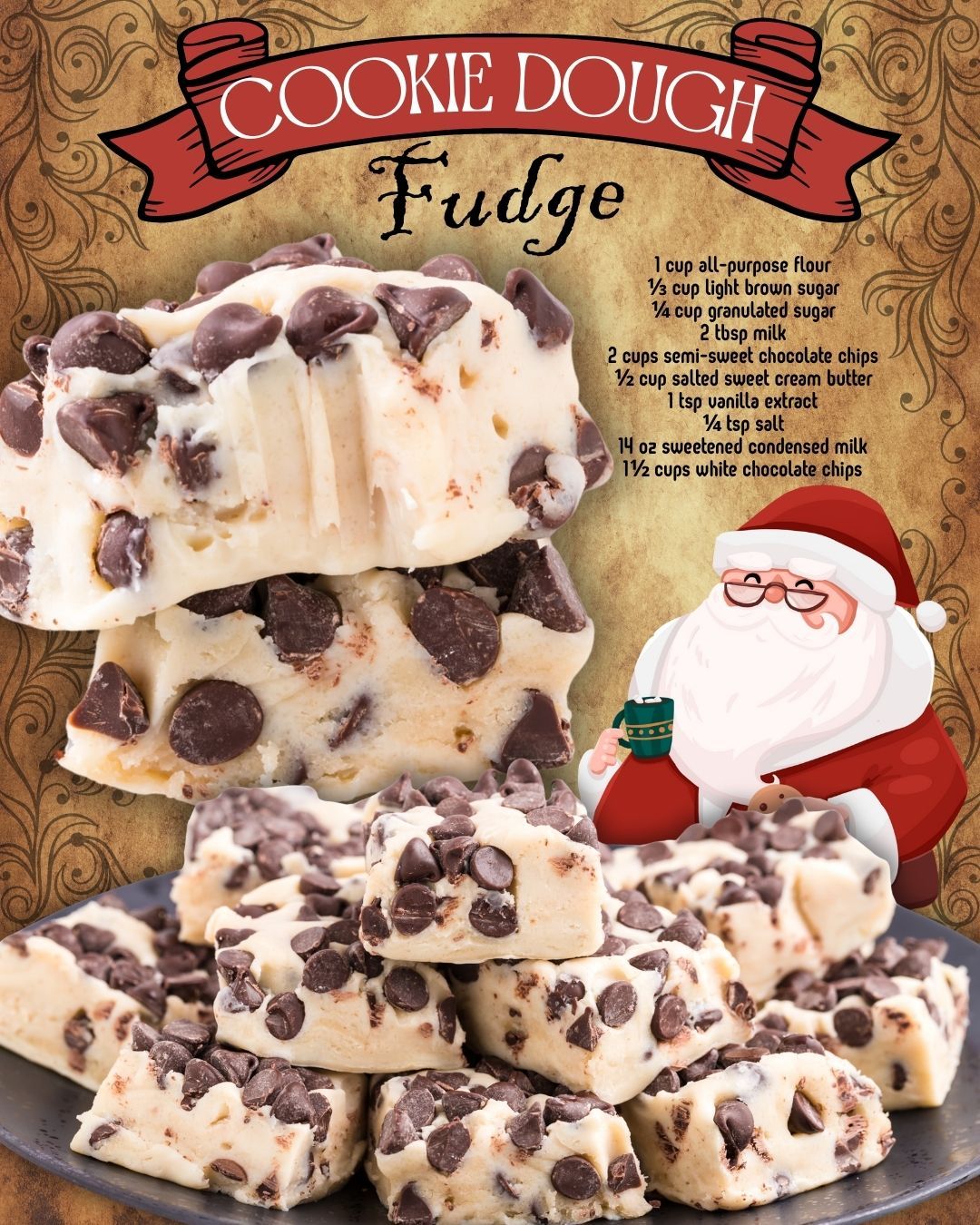
So there you have it—my journey to the perfect Cookie Dough Fudge. This recipe is more than just a list of steps; it’s a little piece of edible happiness that never fails to impress and delight. I hope you’ll bring it into your kitchen, make it your own, and share it with people you love. There’s nothing quite like the look on someone’s face when they realize they’re eating safe, spoonable cookie dough enveloped in creamy fudge. Happy making, friends. I can’t wait for you to try it.