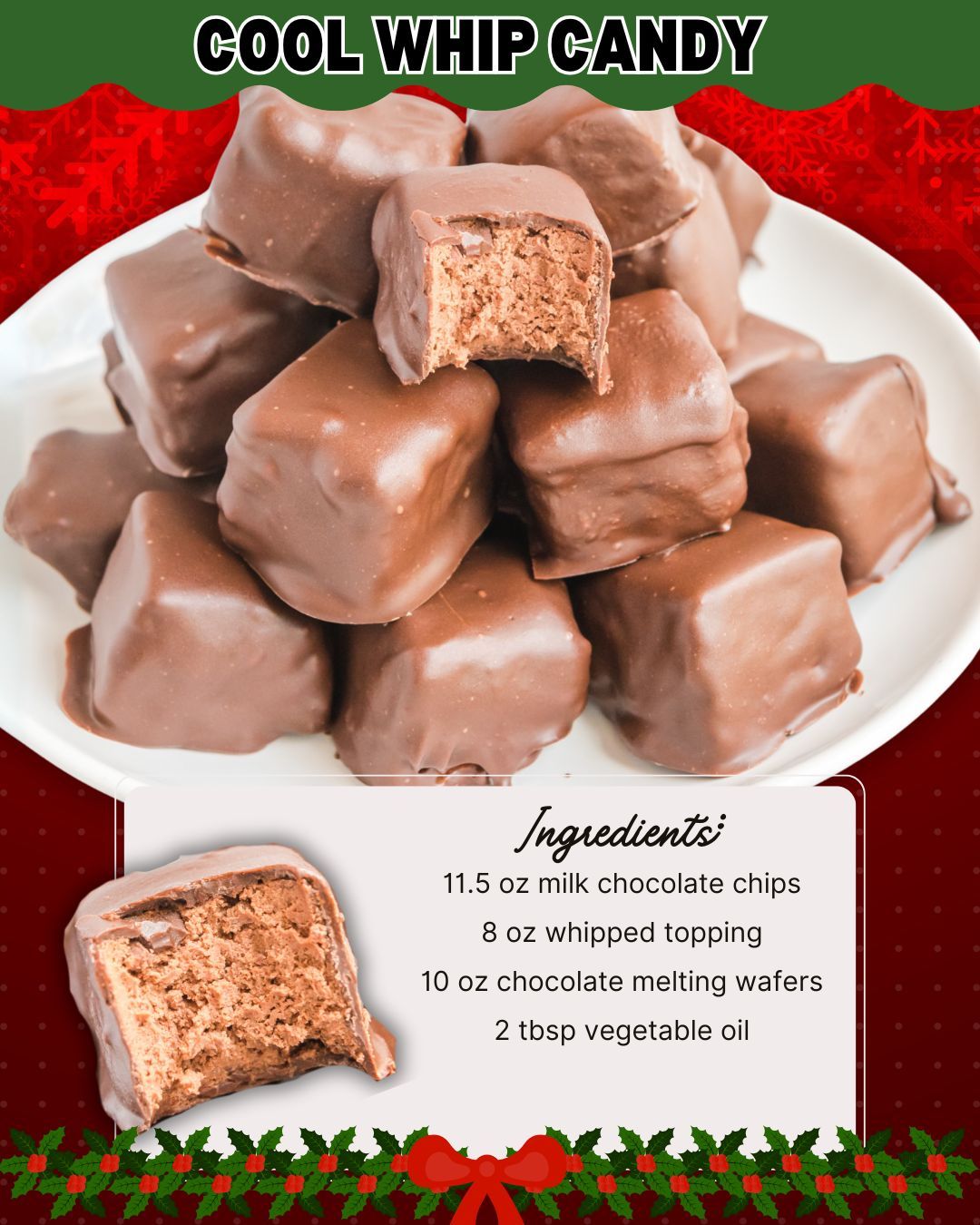
Step-by-Step Instructions
The first step is all about gentle melting. I pour my milk chocolate chips into the bowl and microwave them in 30-second bursts, stirring well after each blast. The goal is just melted and smooth, not hot! Overheating will cause the chocolate to seize, and we absolutely don’t want that. Once it’s silky, I take a deep breath and add the entire tub of thawed whipped topping. This is the fun part. With my spatula, I fold it in gently, starting slowly. It will look a bit strange and lumpy at first, but keep folding with patience and conviction. In under a minute, it transforms into the most luxurious, mousse-like chocolate mixture you’ve ever seen. I then scoop dollops onto my parchment-lined sheet and pop the whole tray into the freezer. Don’t rush this—they need a solid 1-2 hours to firm up completely. I set a timer because I’ve been tempted to dip them too soon, and a soft center will collapse in the warm coating.
Once the centers are frozen solid, I get my coating ready. I combine the melting wafers and vegetable oil in a smaller bowl and melt them together using the same careful, incremental microwave method. The oil is crucial here—it thins the chocolate to a perfect, dippable velvet. When it’s smooth, I take a few centers out of the freezer at a time (keeping the rest cold is vital!). Using my fork, I dip each center, let the excess drip off for a good 5-10 seconds, and then place it back on the parchment. A little swirl with the fork as I lift it out gives it a cute professional touch. If the coating starts to thicken, I just give it another quick 10-second zap in the microwave.
The final step is the hardest: the waiting. After all the candies are dipped, I let them sit at room temperature until the coating is completely set. This usually takes about 20-30 minutes. The sound of a perfectly set candy tapping against the plate is so satisfying. I learned the hard way that trying to move or taste them too early smudges that beautiful shell. So, I brew a cup of coffee and distract myself until they’re ready for their grand debut.
Pro Tips for Best Results
My first batch taught me that temperature control is the silent star of this recipe. The centers must be frozen, not just cold. I tried dipping after only 30 minutes in the fridge, and I ended up with a delicious but messy puddle of chocolate soup on my baking sheet. Freezing them solid ensures they hold their shape when dipped into the warm coating, creating that wonderful contrast of a crisp shell and a soft, melt-in-your-mouth interior. It’s the secret to the perfect texture.
When it comes to dipping, my best advice is to work in small batches and embrace the drip. I pull out only 4-5 centers from the freezer at a time. Letting them sit out causes condensation, which can make the coating clump. Use a fork and gently tap it against the side of the bowl. Letting that excess chocolate drip off is what prevents a thick, bulbous bottom on your candies. I used to try to minimize waste and not let enough drip, and my candies always had a big chocolate foot. A little drip time makes for a prettier, more professional-looking piece.
For a truly stunning finish, have a little fun with it! Before the coating sets, you can sprinkle on a tiny pinch of sea salt, some crushed peppermint, or even a dusting of cocoa powder. I keep a small set of toppings handy for this. Also, if you’re a perfectionist like me and want to fix a bare spot after the first coat sets, you can re-dip! Just give it a second quick dunk. I’ve found this works beautifully and nobody will ever know it wasn’t perfect the first time.
Common Mistakes to Avoid
The number one mistake I made—and see others make—is using cold or even partially frozen whipped topping. If it’s not fully thawed in the refrigerator, it will not incorporate smoothly into the melted chocolate. I ended up with weird, icy chunks that never fully blended. It created a grainy texture in the final center. So, plan ahead! Move your whipped topping from the freezer to the fridge the night before you want to make these. It makes the process effortless.
(See the next page below to continue…)