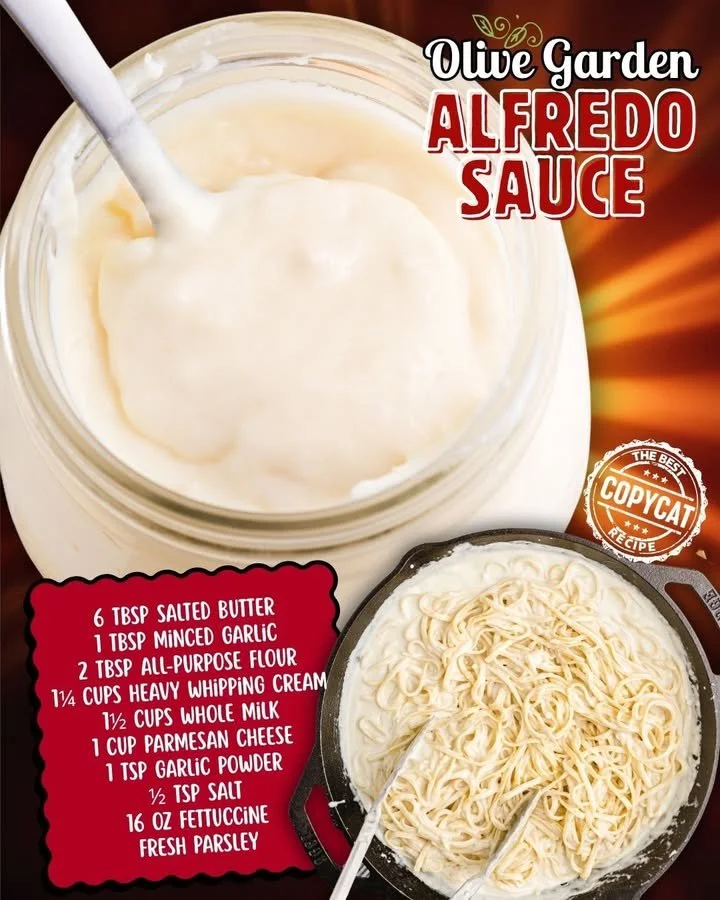
Next, pour in the heavy cream, stirring constantly to combine the ingredients. I usually bring it to a gentle simmer; the sauce should bubble softly without boiling vigorously. After a couple of minutes, it will start to thicken up a bit. This is the moment I often get a little too excited—the smell is just heavenly! Once it’s thickened, reduce the heat to low and gradually whisk in the freshly grated Parmesan cheese. The key here is to keep whisking until the cheese melts into the sauce for that ultimate creaminess.
After your cheese is fully incorporated, season the sauce with salt and pepper to taste. Here’s where you can adjust based on how cheesy or flavorful you prefer your sauce. I like to give it a taste test at this point. It should be rich and satisfying—a spoonful might even spark my cravings for more pasta!
Pro Tips for Best Results
If you’re aiming for that authentic Olive Garden flavor, I highly recommend using fresh Parmesan cheese. I tested this three ways: pre-grated, store-parmesan, and freshly grated, and the difference was night and day. Freshly grated cheese melts beautifully and enhances the taste with that wonderful umami punch!
Another tip: don’t rush the melting process. Bringing the cream and butter to a gentle simmer allows the flavors to meld together perfectly. I noticed that when I cranked the heat too high, it affected the creaminess of the sauce and made it grainy.
Lastly, consider adding a pinch of nutmeg for an unexpected flavor twist! It’s a classic addition in many creamy sauces and adds warmth that you might not expect but will absolutely love.
Common Mistakes to Avoid
One common mistake I made early on was using low-fat cream or milk instead of heavy cream. While it might seem like a healthy alternative, what you really want is that rich, luscious texture that heavy cream offers. Trust me, it’s worth it!
Another pitfall is not stirring enough while introducing the cheese. If you walk away from the stove, you might find your cheese clumping together instead of creating that beautifully smooth sauce. Be sure to whisk continuously while you add it in. (See the next page below to continue…)
When it comes to seasoning, go easy at first. Remember, Parmesan cheese is salty, so adding too much salt can quickly take your sauce from delightful to overly salty. Always taste as you go!
Last but not least, avoid warming your sauce too long after it’s done. If you leave it over heat for too long, it might separate, and nobody wants that! Just keep it warm while your pasta is cooking, then pour it over right before serving.