Pro Tips for Best Results
My biggest tip is all in the pasta boil. Salting the water adequately is non-negotiable for flavor, but also, undercook those shells by a minute or two. I tested this three different ways: one batch fully cooked, one al dente, and one quite underdone. The al dente shells held their structure beautifully and soaked up the sauce without becoming soggy. The fully cooked ones? They tended to split and get too soft.
When making the Alfredo sauce, patience is your best friend. After you add the cream, let it simmer gently to reduce and concentrate. When you add the Parmesan, take the skillet completely off the heat source. The residual heat is enough to melt the cheese smoothly. I’ve tried whisking it in over direct low heat, and it sometimes gets grainy. Off the heat guarantees a velvety sauce every single time.
For the filling, mix with a gentle hand. Over-mixing the ricotta can make the filling dense. I use a rubber spatula and fold everything together just until combined. And don’t be shy with the filling! Really pack it into those shells. A heaping tablespoon per shell is about right. They should look plump and abundant in the dish before you even add the sauce.
Common Mistakes to Avoid
The most common mistake is overfilling the baking dish with sauce before adding the shells. I made this error the first time—I poured half the sauce in the bottom, then added the shells. The result was a soupy, messy bake where the bottoms of the shells got waterlogged. Don’t do what I did! Simply place the stuffed shells directly in the greased dish. Pour all the sauce over the top. This way, the sauce seeps down naturally, flavoring every shell without drowning them.
Another pitfall is skipping the rest time after baking. I know it’s tempting to dive right in when it comes out of the oven smelling incredible, but if you cut into it immediately, the filling will ooze out and the whole structure will collapse. Letting it sit for a solid 10 minutes allows the cheeses to set slightly. It’s the difference between a beautiful, intact serving and a delicious-but-homely pile on the plate. It’s worth the wait, I promise.
Serving Suggestions
I love serving this as the undeniable star of the show with very simple sides. A crisp, green salad with a sharp vinaigrette is my absolute must. The acidity and freshness cut through the richness of the Alfredo perfectly. My go-to is just arugula, lemon juice, olive oil, and a shave of more Parmesan. It’s the ideal companion.
For a more substantial spread, especially if you’re feeding a crowd, I’ll add a loaf of warm, crusty garlic bread. There’s nothing better than using it to scoop up every last bit of that creamy sauce left on the plate. Sometimes, I’ll also roast some asparagus or green beans with a little lemon zest—another vibrant, easy side that balances the meal beautifully.
Presentation matters, too! I garnish the whole pan or individual plates with a fresh sprinkle of chopped parsley or basil and a little extra crack of black pepper. It adds a pop of color and a hint of freshness that makes the dish look as professional as it tastes. A small, thoughtful touch that always gets compliments.
Variations & Customizations
This recipe is wonderfully adaptable. Not a fan of chicken? I’ve made a fantastic vegetarian version by substituting the chicken with sautéed sliced mushrooms (cremini are my favorite) and baby spinach. Just wilt the spinach in the skillet after the mushrooms. For a seafood twist, fold in some small cooked shrimp or lump crabmeat into the ricotta mixture—it’s decadent and perfect for a special occasion.
You can play with the cheeses, too. I’ve swapped the mozzarella for fontina for a nuttier flavor, and it was divine. For a little kick, add a pinch of red pepper flakes to the Alfredo sauce or mix some chopped sun-dried tomatoes into the filling. My friend adds a layer of marinara sauce under the Alfredo for a “pink sauce” effect that her kids love.
If you need to adjust for dietary needs, it’s very doable. Use gluten-free jumbo shells and a 1-to-1 gluten-free flour blend to make a roux for the sauce (instead of just reducing cream) for a thicker result. For a lighter take, you can use half-and-half instead of heavy cream, though the sauce will be a bit less lush. The filling is just as delicious with shredded rotisserie chicken to save time.
How to Store, Freeze & Reheat
To store leftovers, let the dish cool completely, then cover the baking dish tightly with plastic wrap and foil, or transfer portions to airtight containers. It will keep in the fridge for 3-4 days. To reheat, I find the oven or toaster oven works best to restore the texture. Cover with foil and warm at 350°F until heated through, about 15-20 minutes for a full portion. The microwave works in a pinch, but it can make the pasta a bit rubbery.
This dish freezes beautifully, which is a lifesaver for future meals. Assemble the entire dish in a freezer-safe baking dish but do not bake it. Wrap it tightly in a layer of plastic wrap and then a layer of heavy-duty foil. Label it and freeze for up to 3 months. When you’re ready, thaw it overnight in the refrigerator, then bake as directed, adding 10-15 minutes to the baking time since it will be cold. You can also freeze individual portions in containers for a quick solo dinner.
Conclusion
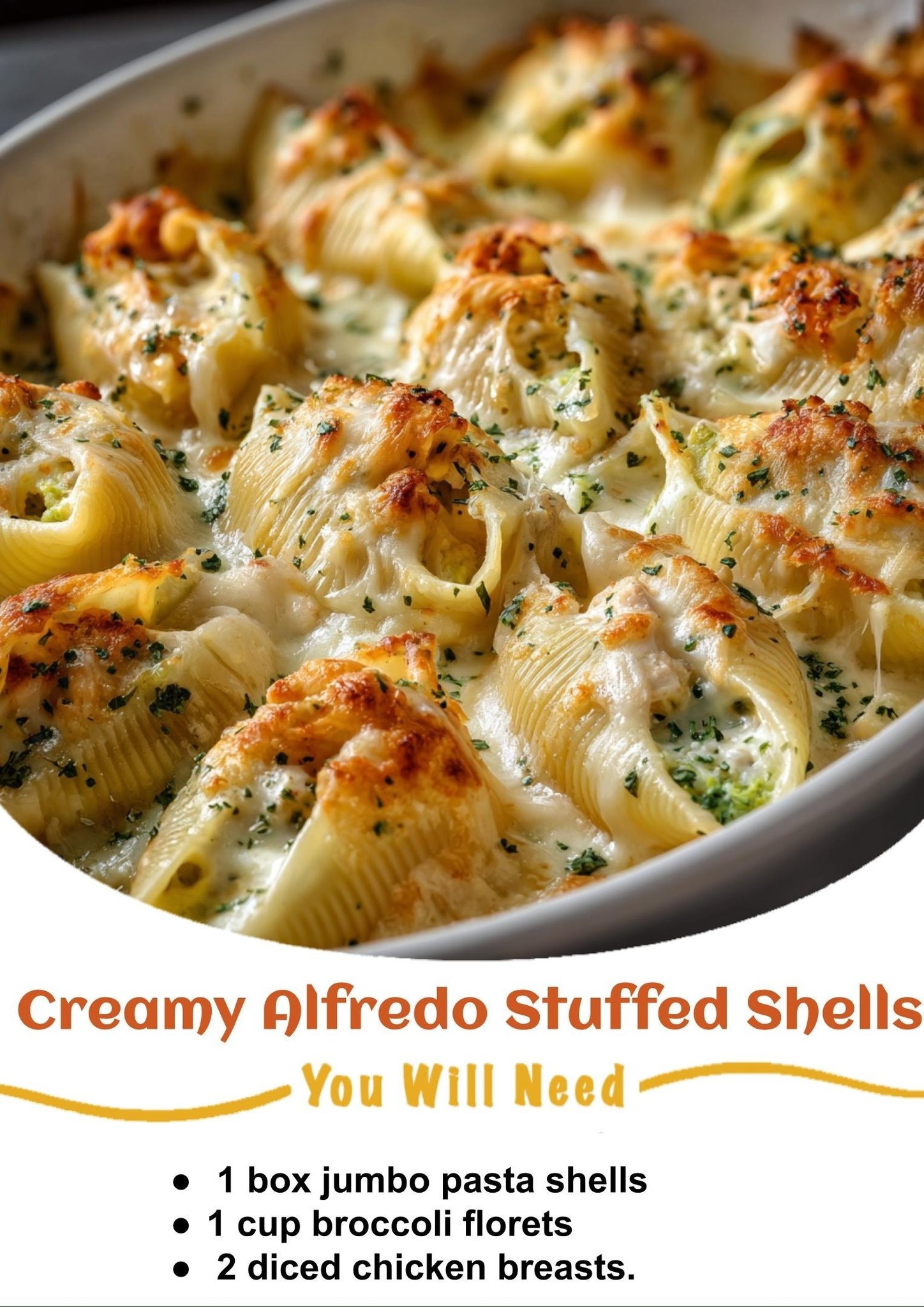
These Creamy Alfredo Stuffed Shells are more than just a recipe; they’re a guaranteed path to a happy, satisfied table. From the joyful process of stuffing each shell to the unforgettable aroma that fills your home, every step is worth it. I hope this dish brings as much comfort and delight to your kitchen as it has to mine. Don’t be afraid to make it your own. Now, go preheat that oven—your new favorite comfort food awaits.