Pro Tips for Best Results
Let me share what I learned after making this half a dozen times. First, always reserve that pasta water. It seems like a minor step, but the starchy water is your secret weapon for adjusting the sauce texture at the end without diluting flavor. I’ve forgotten it before and had to use plain water or more cream, and it just wasn’t the same. The starch helps emulsify and bind the sauce to the pasta perfectly.
Second, patience with the cream. When you add it to the beef, let it simmer gently. If you rush it on high heat, the cream can separate or scorch on the bottom of the pan, giving you a slightly grainy texture and a burnt flavor note. A low, steady simmer allows it to reduce and thicken properly, creating a stable base for the cheese.
Finally, add the cheese off the heat. This was my biggest “aha!” moment. Adding Parmesan to a very hot liquid can cause the proteins to clump and the fats to separate, leaving you with a greasy, broken sauce. By taking the skillet off the burner and letting it cool for just a minute before stirring in the cheese, you guarantee a smooth, velvety, and cohesive sauce every single time.
Common Mistakes to Avoid
I made a classic mistake the first time: I used the pre-grated Parmesan cheese from a shelf-stable container. The sauce turned out a bit grainy and didn’t have that intense, nutty Parmesan flavor I was after. Those anti-caking agents are the culprit. Grating your own cheese is a non-negotiable step for me now—it melts seamlessly and tastes infinitely better. It’s the difference between a good dish and a great one.
Another pitfall is overcooking the pasta. Since the pasta will continue to soak up sauce once combined, you need that initial bite. I cook it to just al dente—it should still have a slight firmness in the center. If you cook it to soft in the water, by the time you mix it with the sauce and get it to the table, it’ll be mushy. I set a timer for one minute less than the package says and start tasting from there.
Serving Suggestions
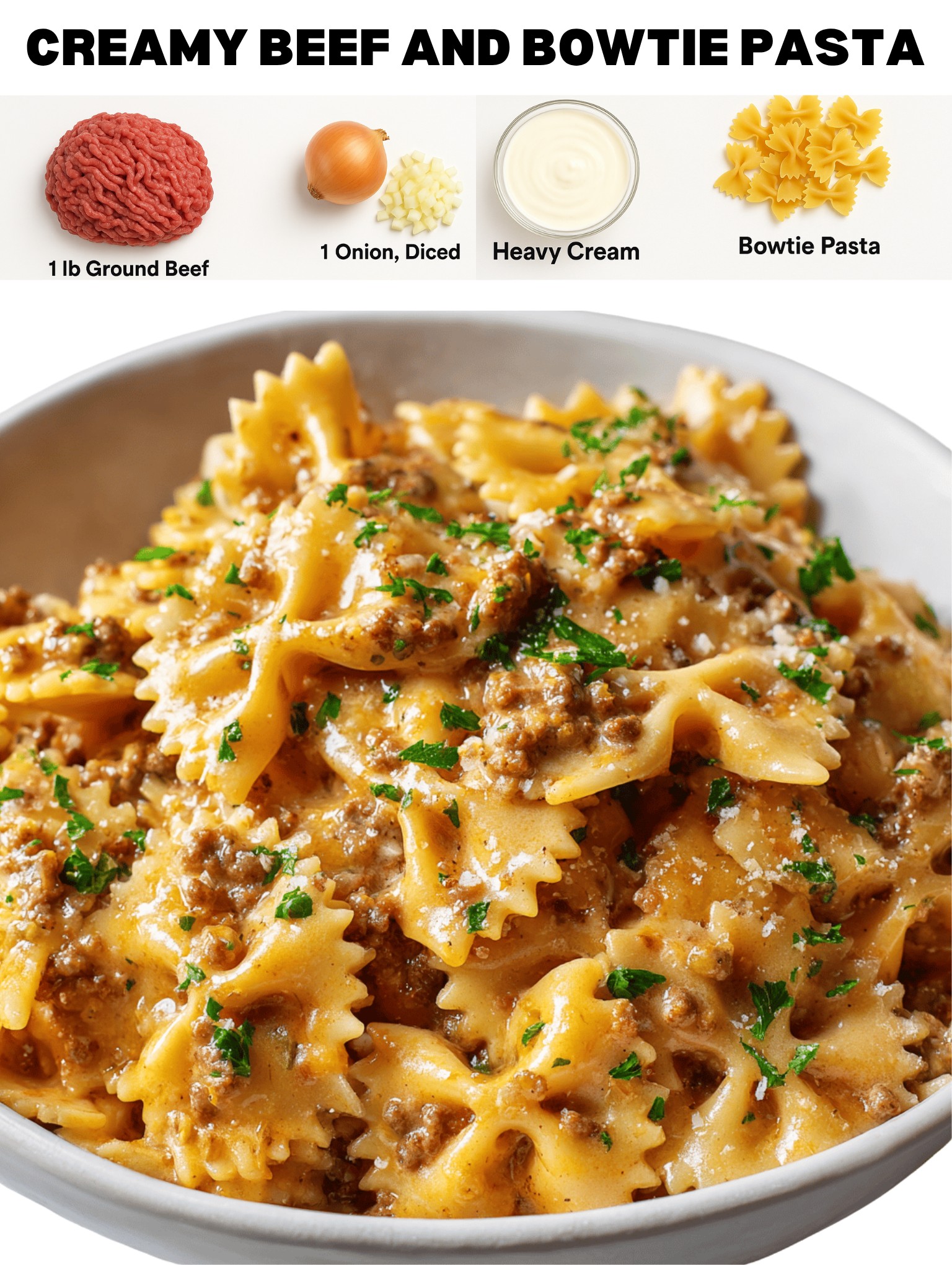
I love serving this pasta straight from the skillet, family-style, right in the center of the table. The sight of that creamy, steaming dish always gets everyone excited. I finish it with a final sprinkle of fresh parsley (if I have it) for a pop of color and freshness, and I always put out the extra block of Parmesan with a microplane so everyone can add more to their liking. A simple green side cuts through the richness beautifully.
For a side, a crisp, acidic salad is my absolute favorite pairing. I’ll quickly toss some mixed greens with a bright lemon vinaigrette or a simple balsamic dressing. The sharpness and crunch are the perfect contrast to the rich, creamy pasta. It balances the meal and makes everything feel a bit more complete and nourishing.
On nights when I want to keep it ultra-simple, I’ll just serve it with some garlic bread or a crusty baguette. There’s something so satisfying about using the bread to mop up every last bit of that incredible sauce from your plate. A glass of dry white wine or a light red, like a Pinot Noir, pairs wonderfully if you’re enjoying an adult beverage.
Variations & Customizations
This recipe is a fantastic canvas. One of my favorite swaps is using ground Italian sausage (mild or hot) instead of beef. It adds fantastic fennel and herb notes. I’ve also made it with ground turkey when I wanted a lighter version—just be sure to add an extra pinch of salt and the paprika to boost the flavor. For a veggie-packed version, I’ll stir in a couple of handfuls of fresh spinach at the very end, just until wilted.
You can play with the herbs, too. While Italian seasoning is my standard, I’ve used a tablespoon of fresh chopped rosemary or thyme when I had it on hand, and it was divine. If you love a bit of heat, a pinch of red pepper flakes added with the garlic is fantastic. I’ve even seen a friend stir in a couple of tablespoons of sun-dried tomato pesto at the end for a rosy, tangy twist.
If you’re not a fan of farfalle, this sauce works with any short pasta that has good sauce-catching abilities. Penne, rigatoni, and shell pasta are all excellent choices. The key is to keep the pasta shape short so it integrates well with the ground beef. Long pasta like spaghetti doesn’t work as seamlessly here.
How to Store, Freeze & Reheat
For leftovers, I store the pasta in an airtight container in the refrigerator for up to 3 days. The sauce will thicken considerably as it chills. The best way I’ve found to reheat it is on the stovetop over low heat. I add a splash of milk, cream, or even a bit of broth and stir gently until it’s warm and saucy again. The microwave can work in a pinch, but it tends to heat unevenly and can make the pasta rubbery if you overdo it.
You can freeze this dish, but with a caveat. Cream-based sauces can sometimes separate or become a bit grainy when thawed. If I do freeze it, I do so without the pasta for best results. I’ll freeze just the creamy beef sauce in a freezer bag. To serve, I thaw it overnight in the fridge, reheat it gently on the stove, adding a little fresh cream to bring it back together, and then toss it with freshly cooked pasta. It’s a bit more work, but it preserves the texture much better.
Conclusion
This Creamy Beef and Bowtie Pasta is more than just a recipe in my rotation; it’s a guaranteed smile at the dinner table. It’s the dish I make when I need a hug from my kitchen, when I want to impress without stress, or when I simply want to gather my people over a truly delicious, satisfying meal. I hope it finds a special place in your kitchen and brings you as much comfort and joy as it has brought to mine. Happy cooking