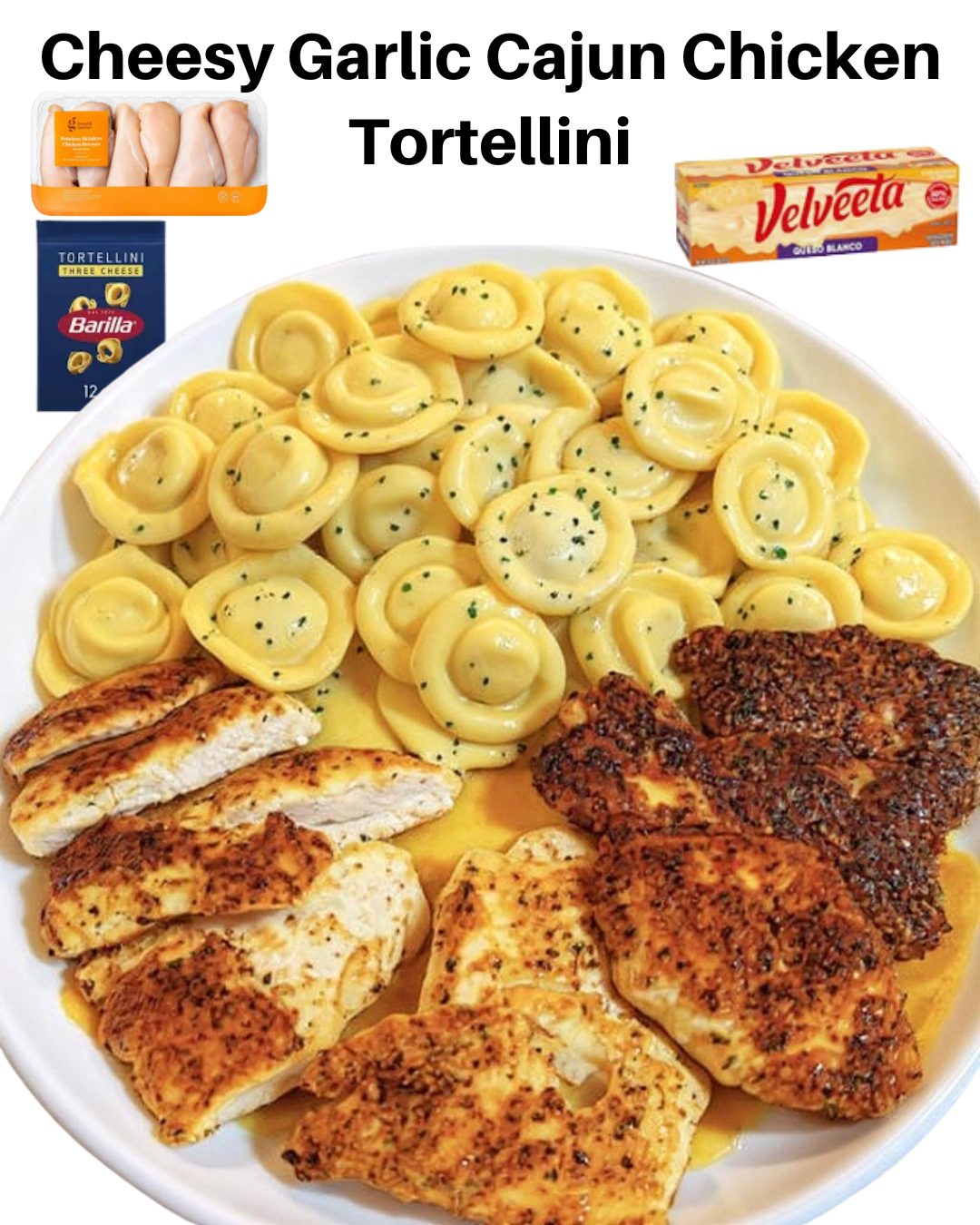
The grand finale is the creamy cheese sauce. Once the tortellini is tender, reduce the heat to low. Pour in the heavy cream and scatter the cubed Velveeta and shredded mozzarella over the top. Do not let it boil now! I stir slowly and constantly until the cheeses have completely melted into a smooth, cohesive sauce that coats the back of my spoon. This takes just 2-3 minutes. Finally, I taste it—this is crucial. The Cajun seasoning and broth can vary in saltiness, so I always adjust with a pinch of salt and pepper here. Then, I take it off the heat, let it sit for 2 minutes to thicken up slightly, and it’s ready.
Pro Tips for Best Results
Let the chicken sear properly. I was impatient the first time and stirred it too early. The seasoning just washed off into the pan, and the chicken looked pale. Let it form that crust—it adds a texture and depth you simply can’t get otherwise. When you flip it and it releases easily from the pan, you’ll know it’s ready. That crust also means fewer little bits will stick when you deglaze later.
Control your heat when adding the dairy. This is the most common point of failure for creamy sauces. Once you add the heavy cream and cheeses, you must keep the heat on low. If the sauce bubbles aggressively, it can cause the fats to separate, leaving you with a greasy, broken sauce. I keep it on the absolute lowest setting and stir with a gentle hand until everything is just melted and harmonious.
Let it rest before serving. I know it’s tempting to dig right in, but trust me on this. Taking the skillet off the heat and letting it sit, covered, for about 5 minutes allows the sauce to thicken beautifully and the flavors to marry. The tortellini will also absorb a bit more of the sauce, making every bite perfectly balanced. This little wait is the difference between a good sauce and a great, restaurant-quality one that clings perfectly.
Common Mistakes to Avoid
The first time I made this, I used pre-cooked grilled chicken strips to save time. Big mistake. Not only did they not get that crucial sear, but they also released a ton of water and odd seasoning into my sauce, making it watery and bland. You really need to cook the raw, seasoned chicken from start to finish in the pan. It takes only a few extra minutes and makes all the difference in the world for both texture and locking in flavor.
Don’t skip the deglazing step. After browning the chicken and garlic, you’ll see dark, stuck-on bits in the pan. That’s not burnt food—that’s fond, and it’s packed with flavor. When you add the chicken broth, take a solid 30 seconds to vigorously scrape the bottom of the pan with your spoon. I’ve tried rushing this, and the resulting sauce lacked that deep, savory backbone. This simple action builds layers of taste.
Avoid overcooking the tortellini. The package instructions are your guide, but remember, it will continue to cook a little in the residual heat of the sauce. I always check for doneness a minute early. You want it al dente—tender but with a slight bite. Mushy, blown-out tortellini ruins the texture of the whole dish. If you’re unsure, fish one out and taste it. It’s better to have it slightly underdone before adding the cheese, as it will soften more in the warm sauce.
Serving Suggestions
I love serving this family-style, right out of the skillet I cooked it in. It stays warmer longer, and it just looks so inviting and rustic. A big sprinkle of freshly chopped parsley or even some thinly sliced green onions on top adds a necessary pop of color and a little freshness that cuts through the rich cheese. For a bit of texture, a light dusting of grated Parmesan or a sprinkle of red pepper flakes is fantastic.
For sides, you want something simple that won’t compete. My absolute go-to is a crisp green salad with a bright, acidic vinaigrette. The sharpness of the dressing is the perfect counterbalance to the creamy, savory pasta. I also almost always have a loaf of warm, crusty bread or garlic bread on the table. It’s non-negotiable in my house for mopping up every last drop of that incredible sauce—no one wants to leave any behind.(See the next page below to continue…)