Pro Tips for Best Results
I tested the meatball browning step three different ways: baked, boiled directly in the broth, and pan-seared. Pan-searing wins, hands down. The Maillard reaction (that beautiful browning) creates fond on the bottom of the pot, which becomes the flavor foundation for the entire soup. Don’t rush this step; that caramelization is non-negotiable for the deepest flavor.
When it comes to the cream, here’s what I learned the hard way: always add it off the heat or on the lowest possible setting. If the soup is at a rolling boil when you add the dairy, it can sometimes separate or look a little grainy. By tempering it gently at the end, you get a perfectly smooth, velvety texture every single time.
For the pasta, I recommend cooking it directly in the soup rather than separately. It absorbs the seasoned, creamy broth as it cooks, making every bite infinitely more flavorful. Just be mindful that the soup will continue to thicken as it sits because the pasta absorbs liquid. If you plan on having leftovers, consider storing the pasta separately or undercooking it slightly in the soup.
Common Mistakes to Avoid
The first time I made this, I made the meatballs too big. I thought, “bigger is better,” right? Wrong. Larger meatballs took forever to cook through in the center without overcooking the outside, and they were awkward to eat in a spoonful of soup. Tablespoon-sized is the sweet spot—they’re hearty but still bite-sized and cook evenly. Use a small cookie scoop if you have one; it’s a game-changer for speed and uniformity.
Another classic mistake I’ve seen (and made!) is skipping the deglazing step. After browning the meatballs and sautéing the veggies, those crispy, dark bits stuck to the pot are pure flavor gold. When you add your broth, make sure you use your wooden spoon to vigorously scrape all of that fond up. It dissolves into the broth, creating a rich, complex base that you simply cannot get otherwise. Don’t let that treasure go to waste.
Serving Suggestions
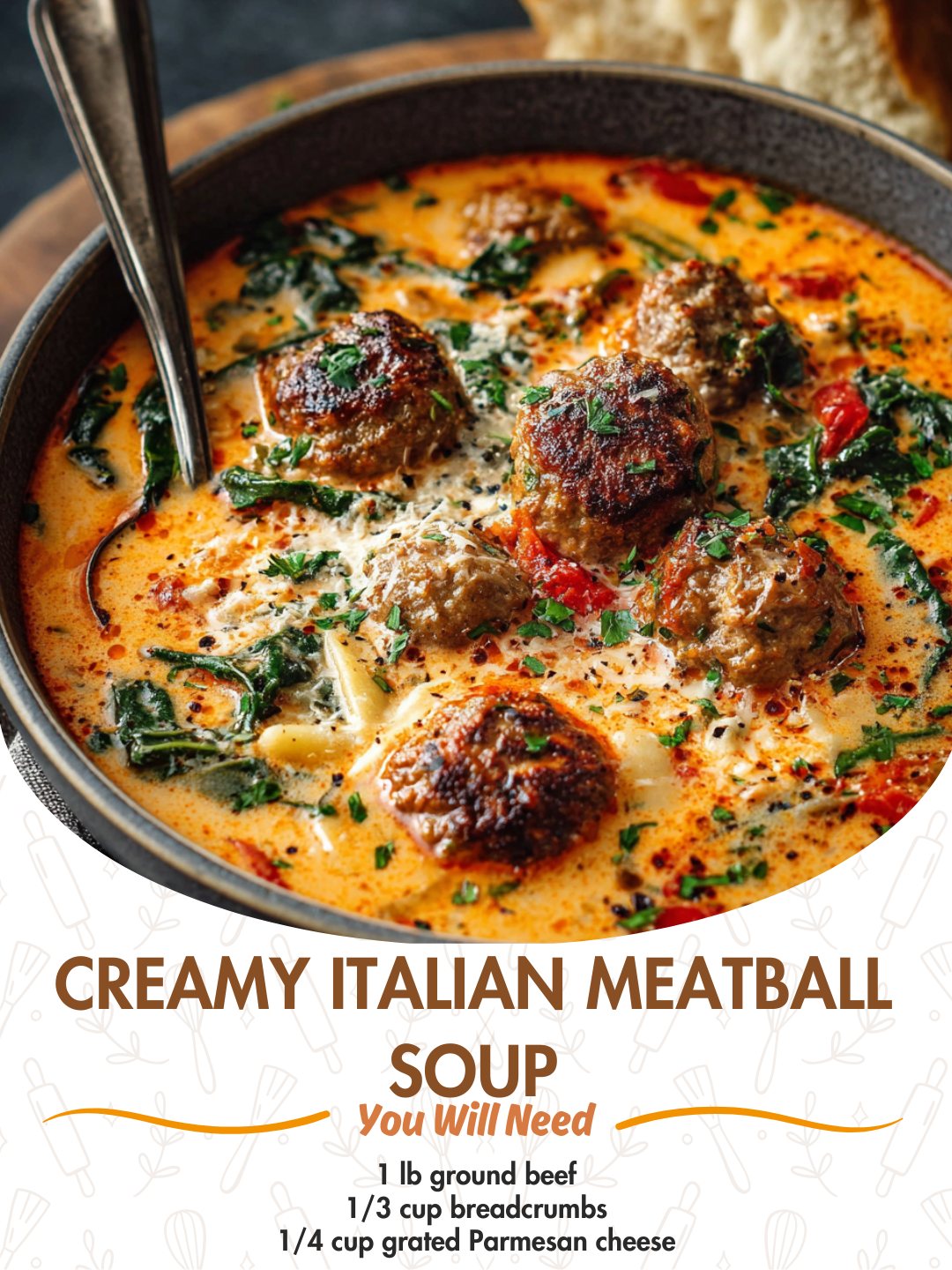
I like serving this soup steaming hot in deep, wide bowls. A final flourish makes it restaurant-worthy: a generous extra sprinkle of freshly grated Parmesan cheese, a crack of black pepper, and a scattering of chopped fresh parsley or basil. The fresh herbs add a bright, pop-of-color finish that cuts through the richness beautifully.
On the side, a simple, crisp green salad with a lemony vinaigrette is my perfect pairing. The acidity and freshness of the salad balance the creamy, hearty soup so well. A slice of crusty, warm garlic bread or a fluffy dinner roll is also non-negotiable in my house—it’s essential for sopping up every last drop of that incredible broth.
For a casual gathering, I’ll set the pot right on the table with the garnishes and sides in bowls, and let everyone serve themselves. It creates such a warm, communal feeling. This soup is hearty enough to be a full meal, so you don’t need to fuss with multiple complicated sides.
Variations & Customizations
This recipe is wonderfully adaptable. If you’re not a beef fan, I’ve successfully made it with ground turkey or a mix of ground pork and veal. Just be mindful that leaner meats like turkey can dry out faster, so don’t overcook the meatballs. For a richer flavor with pork, it’s fantastic.
You can easily make this soup vegetable-forward, too. I’ve added a diced zucchini or yellow squash with the carrots and celery, and it was delicious. For a white version, which my friend loves, I omit the crushed tomatoes and use an extra cup of broth, adding a cup of chopped kale instead of spinach for a sturdier green.
If you need a shortcut, using high-quality frozen pre-cooked meatballs will work in a pinch—just add them to the simmering broth to heat through. And for a gluten-free version, use gluten-free breadcrumbs and a pasta like chickpea or brown rice pasta. The soup base itself is naturally gluten-free, so it’s an easy swap.
How to Store, Freeze & Reheat
From experience, this soup stores beautifully but thickens considerably due to the pasta. To store, let it cool completely and keep it in an airtight container in the fridge for 3-4 days. When reheating on the stovetop, add a splash of broth or water to loosen it back up to your preferred consistency. The microwave works too, just stir it well and add liquid as needed.
You can freeze this soup, but I recommend doing so without the pasta or cream for best results. The pasta can become mushy, and dairy can separate when frozen and thawed. Freeze the soup base with the meatballs and veggies. When ready to eat, thaw overnight in the fridge, reheat on the stove, cook your pasta separately, and stir in the cream and fresh spinach at the end. It tastes just-made.
Conclusion
This Creamy Italian Meatball Soup has earned a permanent spot in my recipe rotation. It’s the dish I make when I want to feel accomplished in the kitchen without spending the whole day there, and the one I share when I want to show someone I care. I hope it brings as much warmth and comfort to your table as it has to mine. Give it a try this week, and don’t forget the extra Parmesan on top. Happy cooking