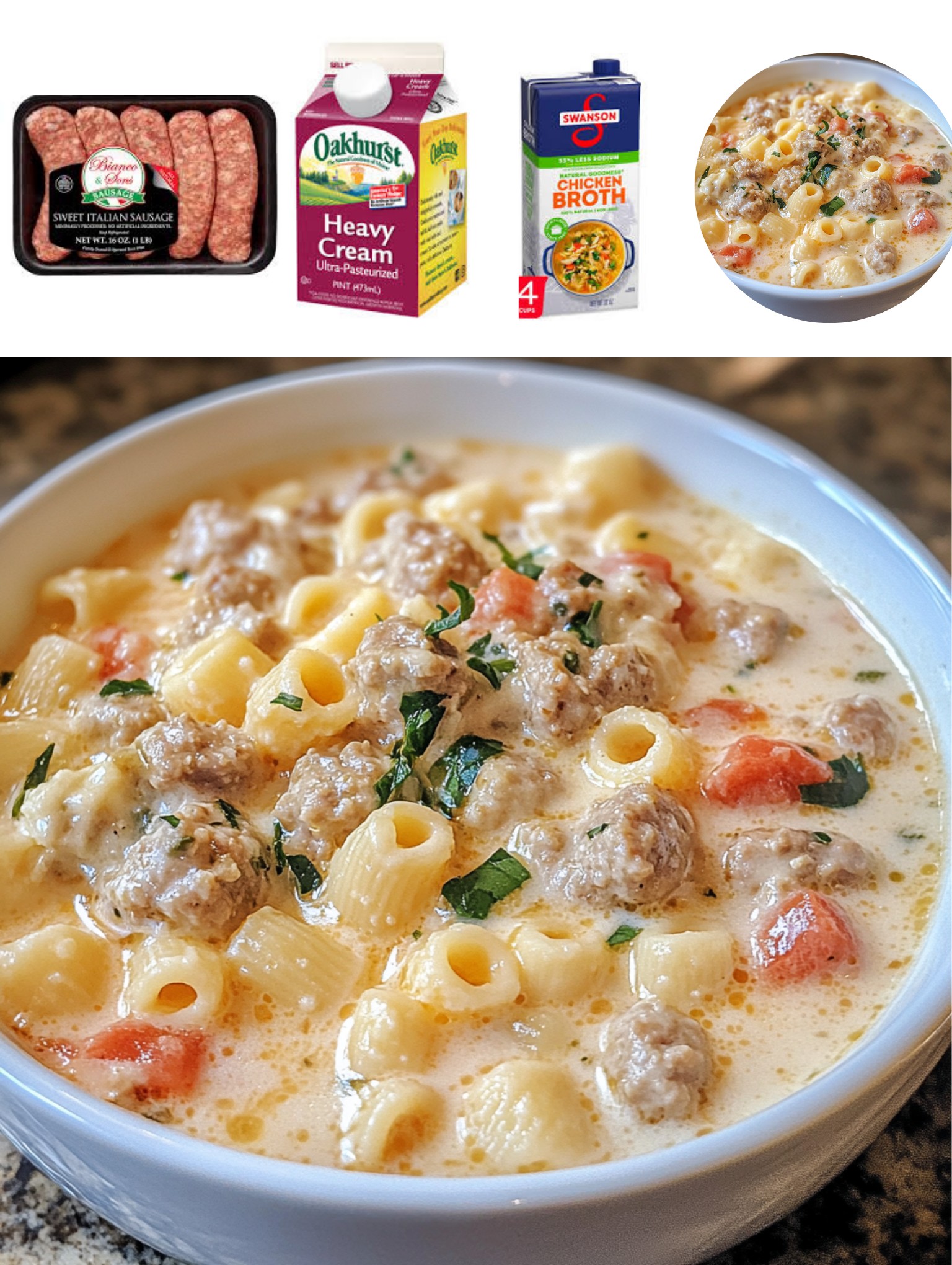
Pro Tips for Best Results
I tested the roux step three different ways: skipping it, making a separate butter-based roux, and doing the direct flour sprinkle method I outline above. Trust me, the direct method works best for this soup. It’s a one-pot wonder, and the flour coats the sausage and veggies, distributing perfectly without creating extra dishes. It creates the ideal velvety base that can support the cream and cheese without becoming gloppy.
Here’s what I learned the hard way about the cheese: patience is key. Add it off the heat, or on the lowest possible heat, and add it slowly. Dumping it all in at once can cause it to seize up into a stringy, clumpy mess. Letting each handful melt completely ensures that creamy, restaurant-quality texture we’re after. It only takes an extra minute but makes all the difference in the world.
For the pasta, don’t overcook it in the soup. Remember, it will continue to absorb liquid as the soup sits, even off the heat. I aim for al dente—still with a slight bite—when I turn off the stove. If I know I’ll have leftovers, I sometimes even undercook it by a minute. This guarantees your leftovers won’t be a pot of mushy pasta, but a perfect soup reheated.
Common Mistakes to Avoid
My biggest first-time mistake was using hot Italian sausage instead of sweet because it was all I had. While I love spice, it completely overpowered the other delicate flavors, especially the Parmesan. The sweet Italian sausage has that perfect blend of fennel and herbs that complements the creamy elements beautifully. If you want heat, I’d add a pinch of red pepper flakes later, but start with sweet sausage for the ideal balance.
Another pitfall is rushing the vegetable sauté. If you don’t give the onions, carrots, and celery enough time to soften and sweeten, they’ll remain too crunchy in the final soup, which throws off the comforting texture. Take those 6-8 minutes—put on some music, stir, and let the magic happen. This foundational step is where a huge amount of the soup’s depth of flavor is built.
Serving Suggestions
I love serving this soup in deep, wide bowls so you get a bit of everything in each spoonful. A final flourish of freshly grated Parmesan and a sprinkle of chopped parsley or basil adds a pop of color and freshness that cuts through the richness beautifully. For me, it’s a complete meal in a bowl, but a little extra something on the side never hurts.
A crusty piece of bread is non-negotiable in my house. A warm slice of garlic bread or a simple, chewy baguette is perfect for sopping up every last drop of that creamy broth. On nights when I want to make it a fuller spread, I’ll start with a simple arugula salad dressed with lemon and olive oil—the peppery, acidic greens are a fantastic contrast to the hearty, creamy soup.
For drinks, I keep it simple. A glass of chilled Pinot Grigio or a light-bodied Chardonnay pairs wonderfully, or for a non-alcoholic option, sparkling water with a twist of lemon. It’s all about balancing the richness and making the meal feel just a little more special, even on a Tuesday.
Variations & Customizations
This soup is a fantastic canvas. I’ve made a great version using spicy chicken sausage for a leaner option—just add a touch more olive oil at the start. For a veggie-packed twist, I’ve stirred in a cup of frozen peas or corn along with the spinach, or even swapped the spinach for chopped kale (just add it a few minutes earlier to soften). The heartiness remains, and it’s a great way to clean out the veggie drawer.
Pasta swaps are easy! I’ve used small shells, elbow macaroni, and even orzo with great success. If you’re gluten-free, use a GF all-purpose flour blend for the roux and your favorite gluten-free pasta. Just note that some GF pastas can make the broth a bit cloudier, but the flavor is still fantastic.
For a slightly lighter version, you can substitute half-and-half for the heavy cream, though the soup won’t be quite as luxuriously thick. I’ve also successfully used a mix of half Pecorino Romano and half Parmesan for a sharper, saltier cheese profile. It’s a fun change when you’re in the mood for something different.
How to Store, Freeze & Reheat
In my experience, this soup stores beautifully, but the pasta is the one thing to watch. It will continue to absorb broth in the fridge, becoming thicker. I store it in an airtight container for 3-4 days. When reheating, do it gently over medium-low heat on the stove and have a little extra chicken broth on hand to stir in and loosen it up to your preferred consistency. I don’t recommend microwaving it in one go, as it can heat unevenly and cause the dairy to separate.
You can freeze this soup, but with a caveat. The dairy and pasta can become a bit grainy and mushy upon thawing. If I plan to freeze it, I make the soup base without the pasta, cream, cheese, and spinach. I freeze that base. When I’m ready to eat, I thaw it, reheat it, bring it to a simmer, cook the ditalini in it fresh, and then proceed with adding the cream, cheese, and spinach. It’s an extra step, but it guarantees perfect texture every time.
Conclusion
This Creamy Parmesan Italian Sausage Ditalini Soup truly embodies everything I love about home cooking. It’s forgiving, deeply flavorful, and fills your home with the most inviting aroma. It’s the recipe I make when I want to impress without stress, or simply treat my family to something I know will bring smiles. I hope it finds a regular spot in your kitchen rotation and brings you as much warmth and satisfaction as it has brought to mine. Now, go grab that Dutch oven—your new favorite soup is waiting to be made.