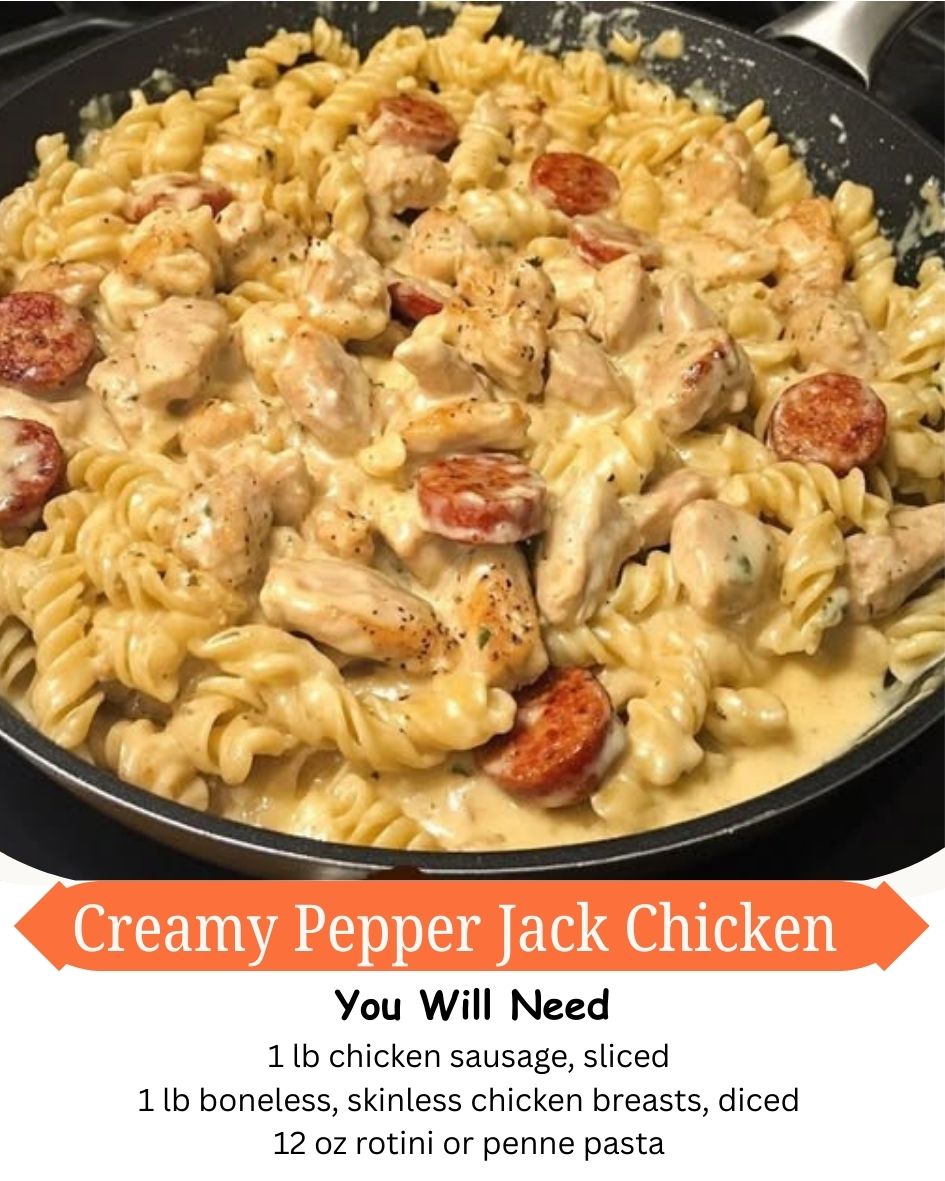
Here’s where the magic happens. I reduce the heat to medium-low and pour in the heavy cream. I let it warm up gently—never let it boil vigorously at this stage. Then, I start adding the cheeses a handful at a time, stirring constantly with my wooden spoon in a figure-eight motion. This patience is key. If you dump it all in, the sauce can break and get grainy. Once it’s smooth and luxurious, I add back the chicken, sausage, and the al dente pasta. I fold everything together, let it simmer gently for 3-4 minutes so the pasta drinks up the sauce, and then I immediately take it off the heat. The sauce will thicken perfectly as it sits for a minute.
Pro Tips for Best Results
Let the cream cheese and pepper jack sit out on the counter for 20-30 minutes before you start cooking. Adding cold cheese to hot cream is the fastest way to end up with a lumpy, separated sauce. Room-temperature cheese melts slowly and evenly, giving you that restaurant-quality silkiness. I learned this the hard way on my first attempt, and the difference is night and day. Trust me on this one—it’s a small step with a huge payoff.
I tested the pasta cooking method three different ways: boiling it fully, boiling it al dente, and even cooking it directly in the sauce. The winner, every single time, is boiling it to just al dente separately. Cooking it directly in the sauce made the starch too thick and the texture unpredictable. The al dente method gives you perfect control, and the pasta finishes absorbing the creamy sauce on the stove, so every bite is coated and flavorful without being soggy.
Taste your sauce before you add the pasta! Once the cheese is melted and smooth, take a spoon and give it a try. This is your last, best chance to adjust the seasoning. Does it need a pinch more salt? Another crack of black pepper? Maybe a tiny pinch of red pepper flakes for more heat? The cheese and sausage are salty, so you might not need much, but I always do this final adjustment. It’s the difference between a good dish and a “wow, you made this?!” dish.
Common Mistakes to Avoid
The biggest mistake I made the first time was cranking the heat too high when making the cheese sauce. High heat will cause the heavy cream to simmer too aggressively and the dairy proteins to tighten up and separate, leaving you with a greasy, curdled-looking mess. I was impatient and paid the price. Keep it on a gentle, low-medium heat and add the cheese slowly, stirring with love and patience. If you see little bits of cheese not melting, just keep stirring off the direct heat—it will almost always come back together.
Another classic error is overcrowding the pan when browning the meat. If you dump all the chicken or sausage in at once, you’ll steam it instead of sear it. You want that gorgeous, flavorful brown crust, and for that, the pieces need space. I do mine in two batches, and yes, it feels like an extra step, but it’s essential for building deep flavor. That fond (the browned bits left in the pan) is what makes the entire sauce taste rich and complex, so give your meat some room to breathe.
Serving Suggestions
I love serving this pasta straight from the pot, family-style in the center of the table. The steam rising from that creamy, cheesy mound is part of the experience! To cut through the richness, I always pair it with something bright and fresh. A simple arugula salad with a lemony vinaigrette is my go-to, or some roasted asparagus or broccoli. The crisp, green vegetable is the perfect counterpoint to the decadent pasta.
For drinks, my husband always pours a crisp lager or a pale ale, which complements the spice from the pepper jack beautifully. If you prefer non-alcoholic, a sparkling water with lemon or even an iced herbal tea works wonderfully. And don’t forget the bread! A warm, crusty baguette for wiping up every last bit of sauce is practically a requirement in my house. No creamy sauce gets left behind on my watch.(See the next page below to continue…)