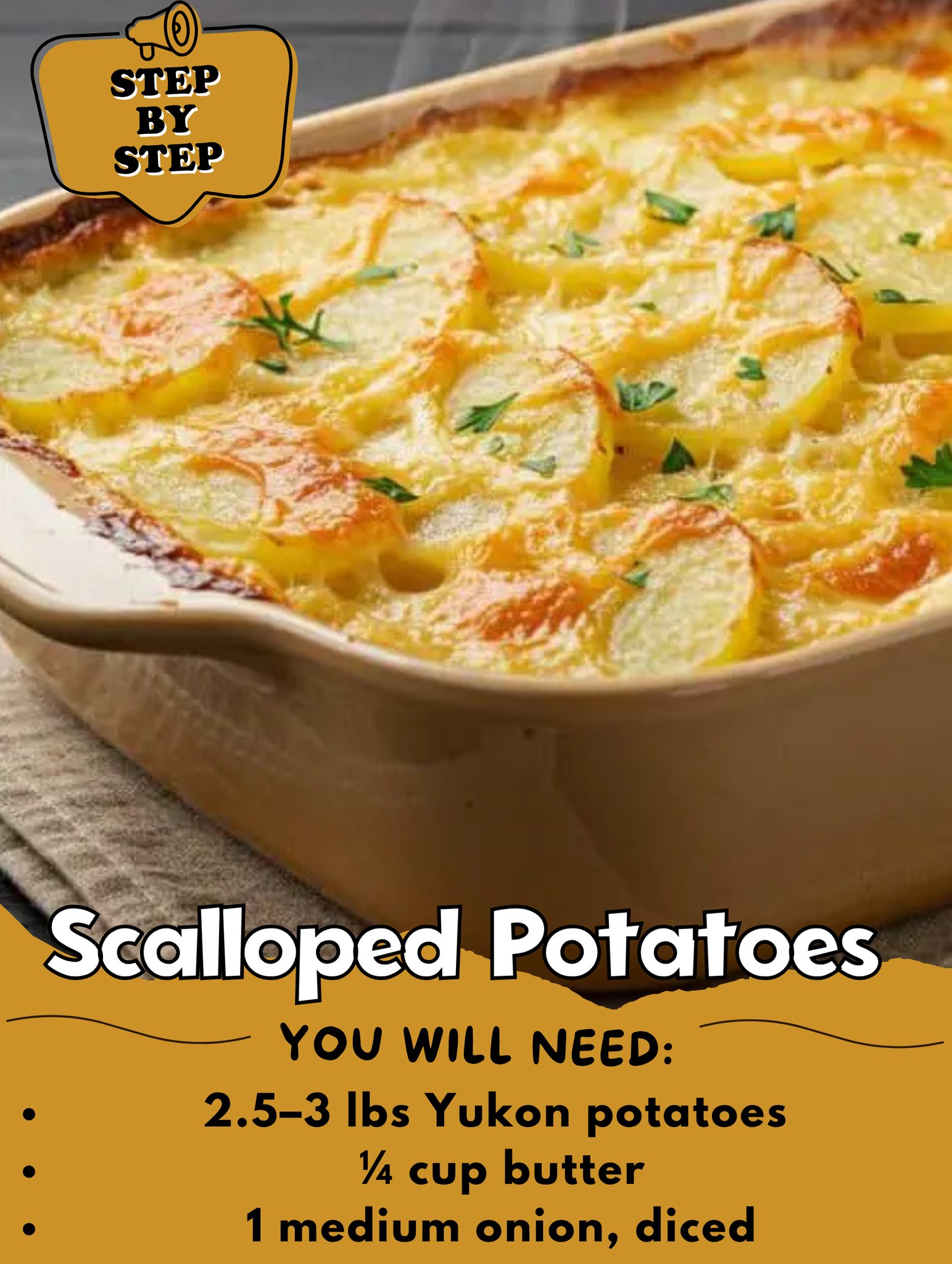
For assembly, I drain and pat the potato slices dry with a kitchen towel—this is important, as extra water will thin your sauce. I layer half the potatoes in the greased dish, pour over half the cheese sauce, then repeat. I finish with a heavy sprinkle of the grated Parmesan across the top; it creates the most incredible golden crust. I cover it with foil and bake at 375°F for 45 minutes, then uncover and bake for another 30-40 minutes until it’s bubbling wildly at the edges and the top is beautifully spotted with brown. The hardest part is letting it rest for 15 minutes before serving, but it’s essential for the sauce to set so you get perfect slices.
Pro Tips for Best Results
My first few attempts taught me that patience with the sauce is everything. Don’t rush the roux stage—let the butter and flour mixture bubble gently for a full two minutes. This simple step ensures your sauce won’t have a pasty, undercooked flour flavor. It transforms into a rich, nutty base that makes all the difference. I’ve tried skipping it, and the sauce just wasn’t the same.
The second tip is about doneness. The visual cues are key. You’ll know it’s ready not just when the top is brown, but when you insert a knife into the center. It should slide through the potato layers with no resistance. If there’s a slight crunch, they need more time. The sauce will also be bubbling actively around the entire perimeter of the dish. That bubbling is the sound of success!
Finally, the rest time is not a suggestion. I learned this the painful way when I served it immediately once, and it was a delicious but soupy mess on the plate. Letting it sit for a good 15-20 minutes after it comes out of the oven allows the creamy sauce to thicken up and set around the potatoes. It will still be piping hot, but it will hold its shape when you scoop it, giving you those gorgeous, defined layers.
Common Mistakes to Avoid
One big mistake is not drying the potatoes after soaking. I was in a hurry once and just dumped them in wet. The extra water diluted my beautiful sauce, making it runny and less flavorful. Now, I always take the two minutes to spread them on a clean kitchen towel and pat them dry. It’s a small step with a huge impact on the final creaminess.
Another pitfall is slicing the potatoes too thick. I’ve done it, thinking it would save time. The result was a frustrating bake where the sauce reduced before the potatoes were tender, leading to uneven cooking. A mandoline ensures those perfect, thin slices that cook through in sync with the sauce. If you only have a knife, take your time and aim for consistency.
Also, be cautious with salt. Potatoes need seasoning, but between the salted butter, the cheese, and the broth, you have to be mindful. I once added the listed salt and used pre-salted broth—it was overwhelming. Now I always use low-sodium broth and taste the sauce before adding the full teaspoon of salt. Remember, you can always add more, but you can’t take it out.
Serving Suggestions
In my house, these potatoes are the star of any holiday table. I love serving them alongside a simple herb-roasted chicken or a juicy glazed ham. The creamy, rich potatoes are the perfect complement to the savory meat, and they soak up any pan juices beautifully. For a Sunday roast dinner, they’re absolutely essential next to the beef and some roasted carrots.
For a cozy vegetarian meal, I pair them with a bright, crisp salad. Something with a sharp vinaigrette, like an arugula salad with lemon and shaved Parmesan, cuts through the richness of the potatoes perfectly. It creates a wonderful balance on the plate and makes the meal feel complete without being too heavy.(See the next page below to continue…)