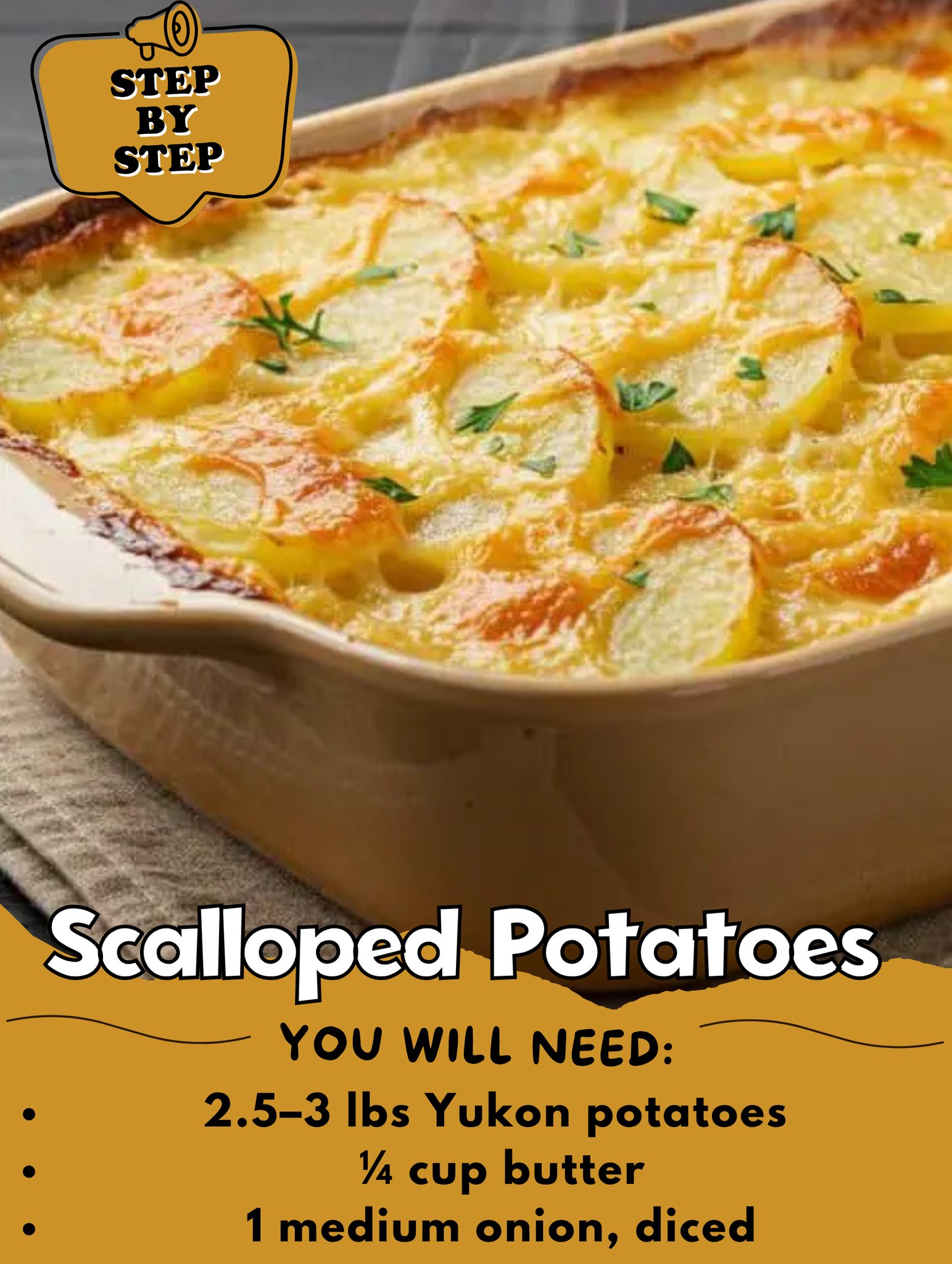
They also make a fantastic potluck or party dish. I bake them in a pretty ceramic dish, wrap it in a towel to keep warm, and bring it along. It always travels well and earns rave reviews. I like to garnish the top with a little extra fresh thyme or a sprinkle of chives right before serving to add a pop of color and freshness.
Variations & Customizations
This recipe is wonderfully adaptable. For a heartier, main-dish version, I’ll sometimes add layers of thinly sliced ham or cooked, crumbled bacon between the potato layers. It turns into a fantastic one-pan meal. I’ve also added a layer of fresh spinach that wilts down beautifully and adds a nice touch of color and earthiness.
You can play with the cheeses, too. While my blend is my favorite, I’ve had great success using Gruyère instead of mozzarella for a more sophisticated, nutty flavor. A friend of mine adds a few tablespoons of cream cheese to the sauce for an even richer result, and it’s delicious. For a little kick, a pinch of cayenne pepper or smoked paprika in the sauce is wonderful.
Herbs are another easy switch. In the summer, I might use fresh dill instead of thyme for a brighter flavor. If I’m making it for Thanksgiving, I’ll often add a pinch of rubbed sage to the sauce to tie it into the other classic holiday flavors. Don’t be afraid to make it your own!
How to Store, Freeze & Reheat
Leftovers (if you have them!) keep beautifully. I let the dish cool completely, then cover it tightly with plastic wrap or transfer portions to an airtight container. It stays perfect in the fridge for 3-4 days. The flavor even deepens a bit, which I love.
For reheating, the oven is king. The microwave will make the potatoes soft and the sauce can separate. I reheat individual portions in a covered oven-safe dish at 350°F until warmed through, which usually takes 20-25 minutes. For a larger portion, I might cover it with foil and reheat for 30-40 minutes. If the top looks dry, I drizzle a tiny bit of milk over it before warming.
Freezing is possible, but with a caveat. The texture of the potatoes can become a little grainy upon thawing. If I do freeze it, I under-bake it slightly, let it cool fully, wrap it tightly in a few layers, and freeze for up to 2 months. I thaw it overnight in the fridge before reheating, covered, in the oven. It’s still tasty, but for the absolute best texture, I prefer making it fresh or just storing it in the fridge.
FAQ Section
Can I make this ahead of time?
Absolutely, and I do this all the time for stress-free entertaining. I assemble the entire dish, cover it tightly, and refrigerate it for up to 24 hours before baking. When I’m ready, I bake it straight from the fridge, but I add an extra 10-15 minutes to the covered baking time since it’s starting cold. It works like a charm.
Do I have to use a mandoline slicer?
No, but it’s my strongest recommendation for consistency. If you’re using a knife, take your time and aim for slices as close to ⅛-inch as possible. I also find that using a knife, it’s harder to get through 3 pounds of potatoes quickly, so just factor in a little extra prep time.
Why is my sauce separating or looking greasy?
This usually happens if the heat was too high when making the roux or cheese sauce. If the butter gets too hot before adding the flour, or if you add the cheese while the sauce is at a rolling boil, it can break. The key is medium heat and adding the cheese off the heat, letting the residual warmth melt it gently.
Conclusion
This recipe for creamy scalloped potatoes is more than just a side dish in my home—it’s a bowl of comfort, a guaranteed crowd-pleaser, and a dish that fills the kitchen with the most welcoming smell. I hope my tips and lessons learned help you avoid the pitfalls and achieve that perfect, creamy, dreamy result on your first try. Gather your ingredients, put on some music, and enjoy the process. I can’t wait for you to experience that first perfect bite. Happy cooking