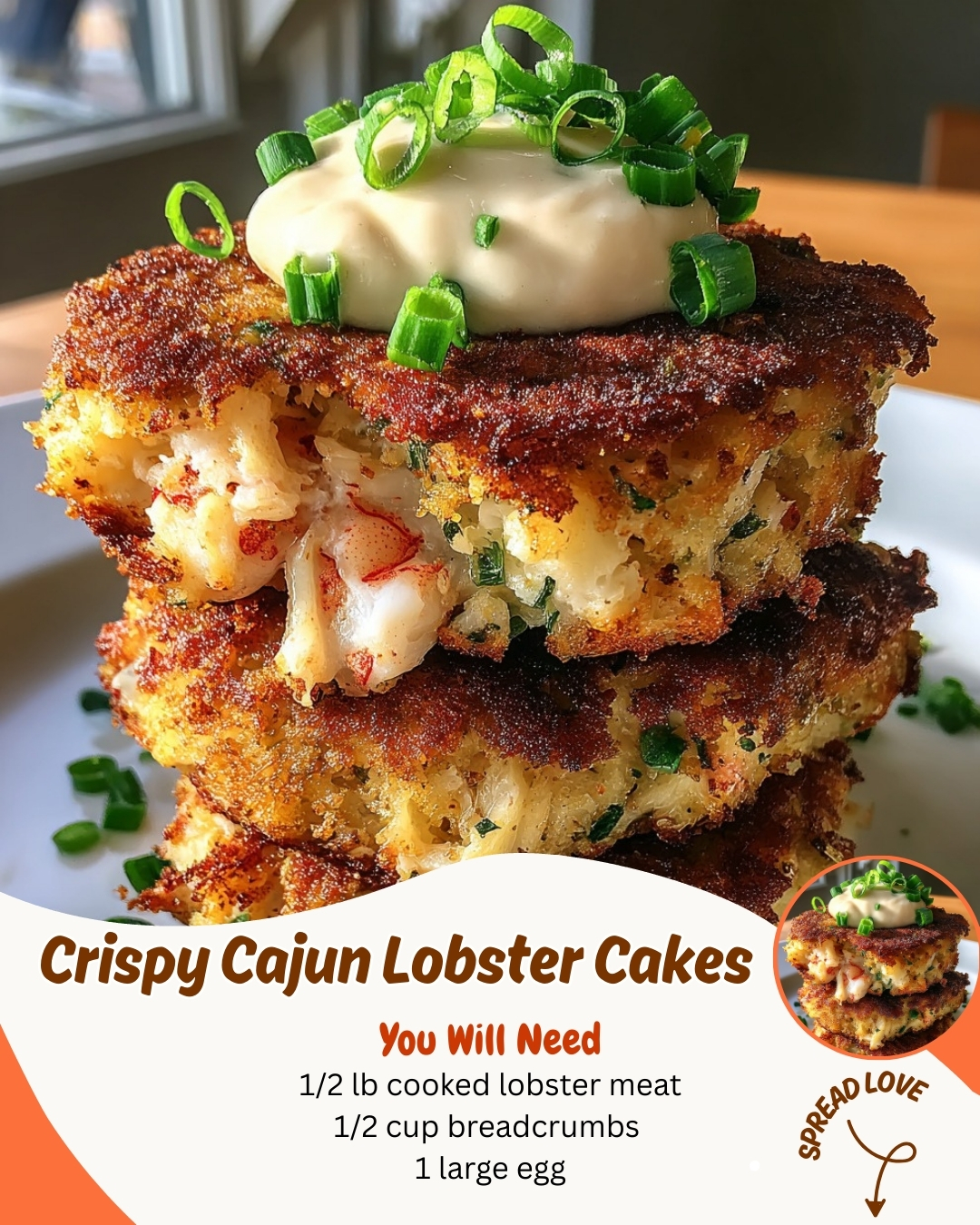
Now, the test of patience: let them cook undisturbed for 3-4 minutes. This is where the magic happens—that gorgeous crust forms. Peek underneath with your spatula; when it’s a deep golden brown, it’s time to flip. Gently but decisively flip each cake. They’ll be more sturdy now. Cook for another 3-4 minutes until the second side is equally crispy and the interior is heated through. Transfer them to your paper towel-lined plate to drain for just a minute. That first crack into a cake, revealing the tender, seasoned lobster inside? Pure joy.
Pro Tips for Best Results
Chill, then sear. I tested this three different ways: cooking immediately, chilling for 15 minutes, and chilling for an hour. The 15-minute chill is the sweet spot. It firms everything up enough to handle but doesn’t dry it out. An hour made the mixture almost too stiff. That brief rest in the fridge is the single biggest factor in preventing a crumbly mess in the pan. Trust me on this timing.
Control your heat. My first batch had a dark exterior and a cool center because my pan was too hot. Medium heat is your friend. You want a steady, consistent sizzle that allows the heat to penetrate to the middle while building that crust. If the oil starts to smoke, pull the pan off the heat for a moment to cool down. It’s better to cook them a minute longer at the right temp than to burn them.
The gentle touch. Handle the mixture and the shaped cakes like you would a fragile treasure. Pack them just firmly enough to hold together. When flipping, use confidence but not force. Slide the spatula fully underneath, give the pan a little shake to loosen it, then flip in one smooth motion. Trying to pry or jab at them is a recipe for breakage. I speak from messy, delicious experience.
Common Mistakes to Avoid
The biggest mistake I made the first time was using soggy lobster. I didn’t pat it dry after thawing, and the extra water made my mixture a slurry that refused to bind, no matter how many breadcrumbs I added. The cakes steamed instead of seared. So, please, take an extra minute to thoroughly pat your lobster meat dry with paper towels. It makes a monumental difference between a crispy cake and a disappointing, soft patty.
Another classic error is overmixing. You’re not making meatloaf. The goal is a cohesive but textured mix where you can see lovely chunks of lobster. Once you add the wet ingredients, fold just until everything is moistened, then walk away. Overworking it activates proteins that can make the cakes tough and rubbery. I’ve tried this step both ways, and trust me, a light hand gives you a far superior, more delicate texture.
Serving Suggestions
I love serving these lobster cakes straight from the skillet, still crackling-hot. They are sublime all on their own with just a big wedge of lemon to squeeze over the top. But to make it a meal, my absolute favorite pairing is a simple, crisp arugula salad with a lemon vinaigrette and shaved Parmesan. The peppery greens and sharp cheese cut through the richness of the cakes perfectly.(See the next page below to continue…)