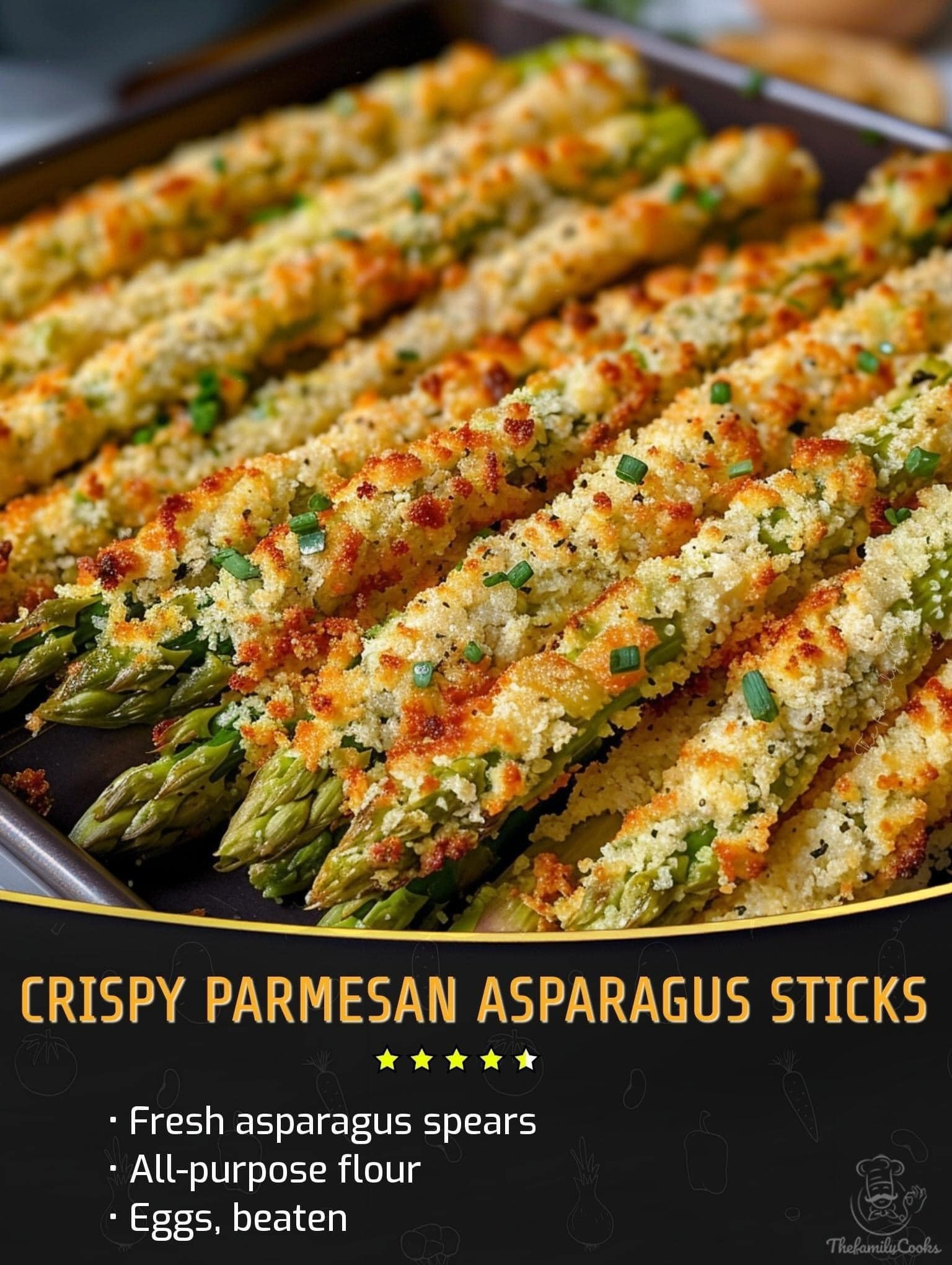
Pro Tips for Best Results
I tested the coating method three different ways: flour-egg-breadcrumbs, just egg and breadcrumbs, and a batter. The classic three-step dredge won by a mile. The initial flour layer creates a dry surface for the egg to stick to, which then locks the panko and Parmesan on for dear life. Skipping the flour step, as I did in test batch two, led to patchy, sliding coverage. Trust the process!
Here’s what I learned the hard way about the cheese: moisture is the enemy of crispiness. If your grated Parmesan feels at all damp or clumpy, spread it on a plate and let it air-dry for 10 minutes before mixing it with the panko. I once used cheese that had been near the stove and it created little steam pockets in the oven, making some spots soft. Fresh, dry cheese is your best friend here.
Don’t overcrowd the baking sheet. Give each asparagus spear a little personal space. If they’re touching, they steam each other, and you’ll lose that critical crunch. If I’m making a double batch, I always use two sheets and rotate them in the oven. It’s a bit more hassle, but it guarantees every single stick comes out as crispy as the first.
Common Mistakes to Avoid
My biggest first-time mistake was not trimming the asparagus properly. I just lopped off an inch and called it a day. I ended up with beautifully crispy tops and frustratingly fibrous, woody ends that were impossible to chew. Don’t do what I did! Take each spear and gently bend it near the bottom; it will naturally snap at the point where the tough part ends and the tender spear begins. It’s satisfying and ensures perfect edibility.
Another pitfall is under-seasoning the flour. The coating has tons of flavor from the Parmesan and herbs, but the asparagus itself needs a flavor boost from the inside out. Seasoning the flour with salt, pepper, and garlic powder ensures every layer tastes amazing. I made a bland batch once by using plain flour, and even with a delicious outside, the vegetable inside fell flat. Don’t skip seasoning that first layer; it makes a huge difference.
Serving Suggestions
I love serving these sticks hot from the oven on a big platter with an array of dipping sauces. My absolute favorite is a simple, cool lemon-garlic aioli (mayo, lemon zest, a little grated garlic, and a pinch of salt). The creamy, tangy dip cuts through the richness of the Parmesan perfectly. A classic marinara sauce is also a fantastic, family-friendly choice, and my husband swears by a drizzle of balsamic glaze for a sweet-and-savory kick.
For a light lunch or hearty appetizer spread, I pair them with other finger foods like crispy baked chicken tenders or a big, fresh caprese salad. The asparagus sticks feel right at home and add a sophisticated, veggie-forward element that balances out heavier items. They turn a casual snack into a purposeful, delightful spread.
As a side dish, these are incredibly versatile. I’ve served them alongside everything from a simple roasted chicken and mashed potatoes to a juicy steak. They bring a welcome textural contrast and a burst of flavor that complements almost any main. Last time I made them with grilled salmon, and the combination was absolutely sublime.
Variations & Customizations
If you want to play with flavors, this recipe is a wonderful canvas. For a spicy kick, I’ve added a half teaspoon of smoked paprika and a pinch of cayenne to the panko mixture. It gives the sticks a warm, subtle heat that’s really addictive. You could also swap the Italian seasoning for herbes de Provence for a more French-inspired flair.
For a nuttier, deeper crunch, try swapping half of the Parmesan with the same amount of finely ground almonds or pecans. I tried this for a friend with a nut allergy, so I made a separate batch for her, but the rest of us loved the extra dimension it added. Just pulse the nuts in a food processor until they resemble coarse sand.
If you’re out of panko, a good alternative is crushed cornflakes or even crushed pretzels for a salty twist. I’ve used crushed cheese crackers in a pinch, and they were a huge hit—extra cheesy! The method remains exactly the same; just keep an eye on the baking time as different coatings can brown at slightly different rates.
How to Store, Freeze & Reheat
Honestly, these are best enjoyed immediately. However, if you have leftovers, let them cool completely and store them in a single layer in an airtight container in the refrigerator for up to 2 days. To reheat, do not microwave them—they will become soggy and sad. Instead, place them on a wire rack over a baking sheet and warm them in a 400°F (200°C) oven for 5-8 minutes until crisp and hot. This method works remarkably well.
You can freeze them before baking for a fantastic make-ahead option. After breading, place the raw sticks on a parchment-lined baking sheet and freeze until solid, about 2 hours. Then, transfer them to a freezer bag. When you’re ready, bake straight from frozen, adding 5-7 extra minutes to the cooking time. I don’t recommend freezing after baking, as the asparagus can become mushy and the coating loses its perfect texture upon the second bake.
Conclusion
These Crispy Parmesan Asparagus Sticks are more than just a recipe; they’re a little bit of kitchen joy. They’ve saved me as a last-minute appetizer, impressed dinner guests, and made my ordinary weeknight dinners feel special. I hope you give them a try and experience that same moment of crispy, cheesy, green delight that I did. Happy cooking, and don’t forget the dip