Pro Tips for Best Results
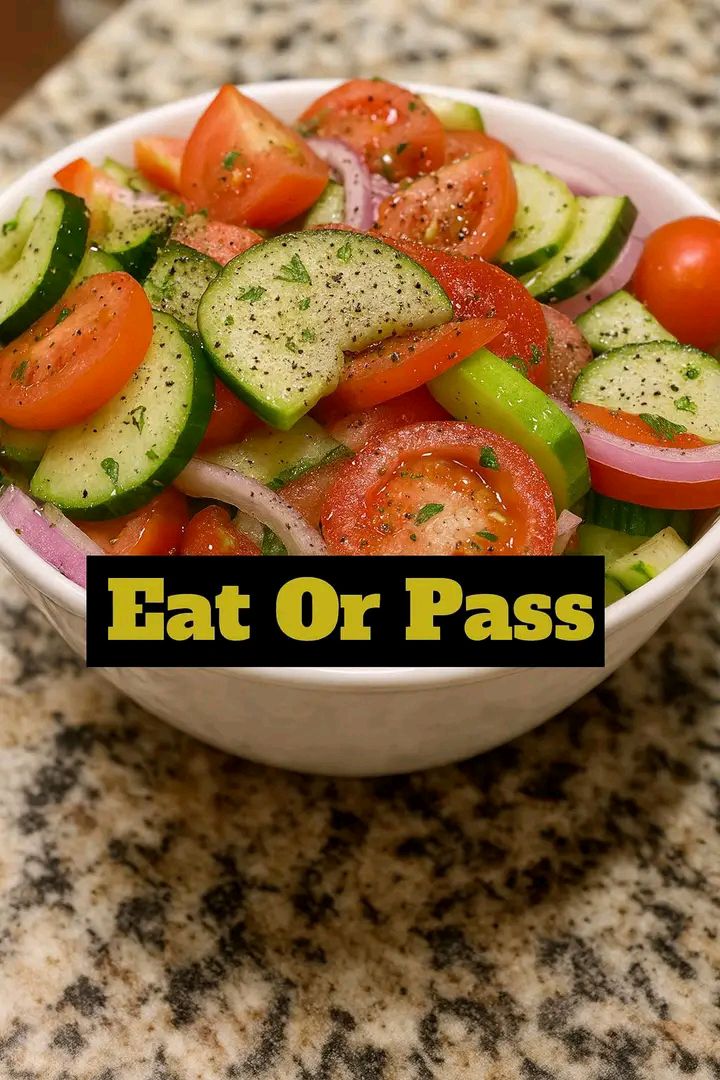
I tested this salad with peeled and unpeeled cucumbers, and I strongly prefer leaving the skin on. The peel adds texture and a slight bitterness that balances the sweetness of the tomatoes. Just make sure to wash them well and trim the ends, which can taste dull or dry.
Here’s something I learned the hard way: don’t oversalt at the beginning. Cucumbers and tomatoes release water as they sit, which intensifies the seasoning. I now season lightly at first and adjust later, and the difference in final flavor is noticeable.
If you want extra chill without watering things down, I refrigerate the vegetables whole before slicing them. I tried chilling the finished salad once, and it lost some of its crispness. Cooling the produce first gives you that refreshing bite without sacrificing texture.
Common Mistakes to Avoid
I made the mistake of letting this salad sit too long the first time I served it to guests. After about an hour, the vegetables released too much liquid and the salad turned watery. Now I always assemble it close to serving time, and it stays bright and fresh.
Another mistake I see often is cutting everything too small. When the pieces are tiny, the salad loses its satisfying crunch and becomes mushy faster. Larger, confident cuts not only look better but also hold up longer on the table.
Serving Suggestions
I love serving this salad alongside grilled chicken or fish, especially when the main dish is warm and savory. The cool, crisp vegetables create a perfect contrast, and I’ve noticed guests always go back for seconds.
On busy days, I spoon it over toasted bread with a bit of feta cheese for a quick lunch. I didn’t expect something so simple to feel filling, but it truly does when paired with good bread.
I also bring this salad to potlucks and family gatherings because it travels well if kept cool. It’s one of those dishes that disappears quickly, and people often ask for the recipe even though it’s so straightforward.
Variations & Customizations
Over time, I’ve added crumbled feta or fresh mozzarella when I want something more substantial. The creaminess works beautifully with the acidity of the tomatoes and lemon, and it turns the salad into a light meal.
I’ve also tried adding sliced olives or a pinch of dried oregano for a Mediterranean twist. These small additions completely change the vibe without complicating the recipe, which I really appreciate.
When I want a bit of heat, I add a few thin slices of fresh chili or a pinch of chili flakes. I learned to go easy here—a little heat enhances the freshness, but too much can overpower the delicate flavors.
How to Store, Freeze & Reheat
From experience, this salad is best eaten fresh. I’ve stored leftovers in an airtight container in the refrigerator for up to 24 hours, but the vegetables soften and release more liquid over time. I usually drain excess juice before serving leftovers.
I don’t recommend freezing or reheating this salad at all. I tried freezing once out of curiosity, and the texture was completely lost. This is one of those recipes that truly rewards you for enjoying it right after it’s made.
Conclusion
Every time I make this cucumber tomato onion salad, I’m reminded that good food doesn’t have to be complicated. In my kitchen, this recipe represents ease, freshness, and those quiet moments of enjoying something simple and nourishing. If you try it, I hope it becomes one of those dependable dishes you return to again and again, just like I do.