Pro Tips for Best Results
I tested the sear three different ways: medium-high, high, and medium. High heat burned the sugar before the pork cooked, and medium didn’t give a good crust. Sticking with a confident medium-high heat for the sear, then lowering it slightly for the basting, gave me the perfect balance every single time. It creates a foundation that won’t scorch in the oven.
Here’s what I learned the hard way about temperature: You must use a meat thermometer. Relying on time or sight alone led me to dry pork once or twice. Pulling them at 145°F is the secret to perfect juiciness, as the temperature will carry over to a safe 150°F during the rest. It’s the single best investment for your cooking confidence.
Don’t rush the basting step! That minute of spooning the buttery, sugary goodness over the chops is what builds the glaze’s flavor and texture. And always let the meat rest. I know it’s tempting to dig right in, but slicing into a pork chop immediately sends all those precious juices onto the cutting board. Trust me, waiting five minutes transforms the texture completely.
Common Mistakes to Avoid
The first time I made these, I used pork chops straight from the fridge. They were so cold that by the time the center was cooked, the outside was overdone. Don’t do what I did! Letting them sit on the counter for 15-20 minutes to take the chill off makes a world of difference for even cooking. It’s a small step with a big payoff.
Another classic mistake is moving the chops around in the pan during the initial sear. I used to be a nervous flipper. You have to resist the urge! Let them develop that undisturbed, caramelized crust. If they stick, they’re not ready to flip. When they release easily from the pan, that’s your signal. This patience is the key to a texture that’s restaurant-worthy.
Serving Suggestions
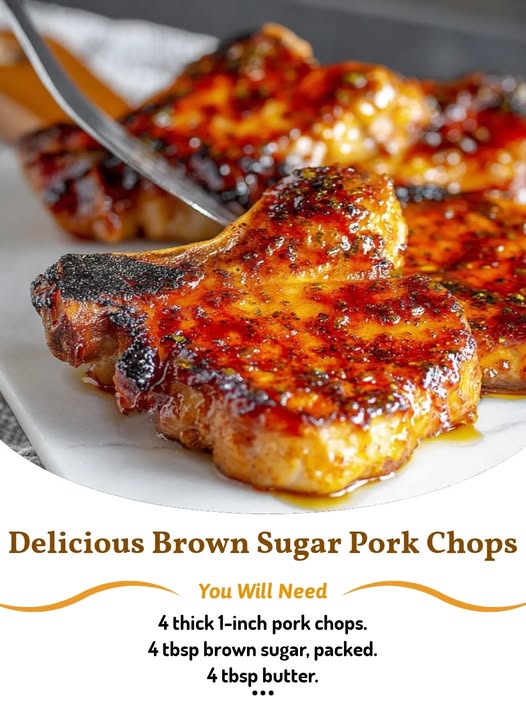
I love serving these pork chops straight from the skillet onto warm plates. I always spoon any of that incredible, sticky pan sauce left behind right over the top. For a simple, classic weeknight meal, I pair them with a big pile of creamy mashed potatoes or buttery polenta. The glaze melting into the potatoes is just heavenly. A simple side of roasted green beans or steamed broccoli helps cut through the richness perfectly.
When I want to make it more of an event, I’ll serve it alongside a crisp apple and fennel slaw. The freshness and crunch are an amazing contrast to the warm, glazed pork. A loaf of crusty bread is also a must at my table—perfect for sopping up every last drop of that caramelized butter and sugar from the plate.
For a complete, easy dinner spread, I often go with roasted baby potatoes and a bright, acidic salad with a vinaigrette. The acidity from the salad dressing balances the sweetness of the pork chops beautifully. It’s a meal that feels thoughtful and cohesive without requiring you to juggle a dozen complicated recipes.
Variations & Customizations
This recipe is wonderfully adaptable. I’ve tried a version using a tablespoon of Dijon mustard mixed into the brown sugar rub, and it added a fantastic tangy depth. If you love a bit of heat, adding a pinch of cayenne pepper or red pepper flakes to the sugar rub is brilliant—it creates a sweet-heat situation that’s really addictive.
If you don’t have an oven-safe skillet, don’t worry! I’ve made this by searing the chops in a regular pan, then transferring them to a baking dish for the oven step. You’ll just need to scrape all the buttery goodness from the searing pan and pour it over the chops in the dish before they go in the oven. It works like a charm.
For a different flavor profile, I’ve swapped the smoked paprika for ground ginger and added a splash of soy sauce to the butter during basting for an Asian-inspired twist. It was delicious! The core method remains the same, so feel free to play with the spices in the rub based on what you love and have in your pantry.
How to Store, Freeze & Reheat
From my experience, leftovers keep beautifully for up to 3 days in a sealed container in the fridge. The glaze might solidify, but it will melt again upon reheating. To reheat, I strongly advise against the microwave, which can make the meat rubbery. Instead, I warm them gently in a covered skillet over low heat with a tiny splash of water or broth, or in a 300°F oven until just warmed through.
You can also freeze the cooked pork chops. I let them cool completely, wrap each one individually in plastic wrap, and then place them in a freezer bag. They’ll keep for up to 2 months. To reheat from frozen, I thaw them in the fridge overnight and then use the oven method mentioned above. Direct reheating from frozen can dry them out, so thawing first is the best path to a tasty leftover meal.
Conclusion
I hope you feel inspired to try these irresistible brown sugar pork chops in your own kitchen. They’ve brought so much simple joy and deliciousness to my table, and I have a feeling they’ll become a favorite in your home, too. The process is as rewarding as the result—that moment when you pull the sizzling, fragrant skillet from the oven is pure cooking magic. Give it a try this week, and don’t forget to come back and tell me all about it. Happy cooking