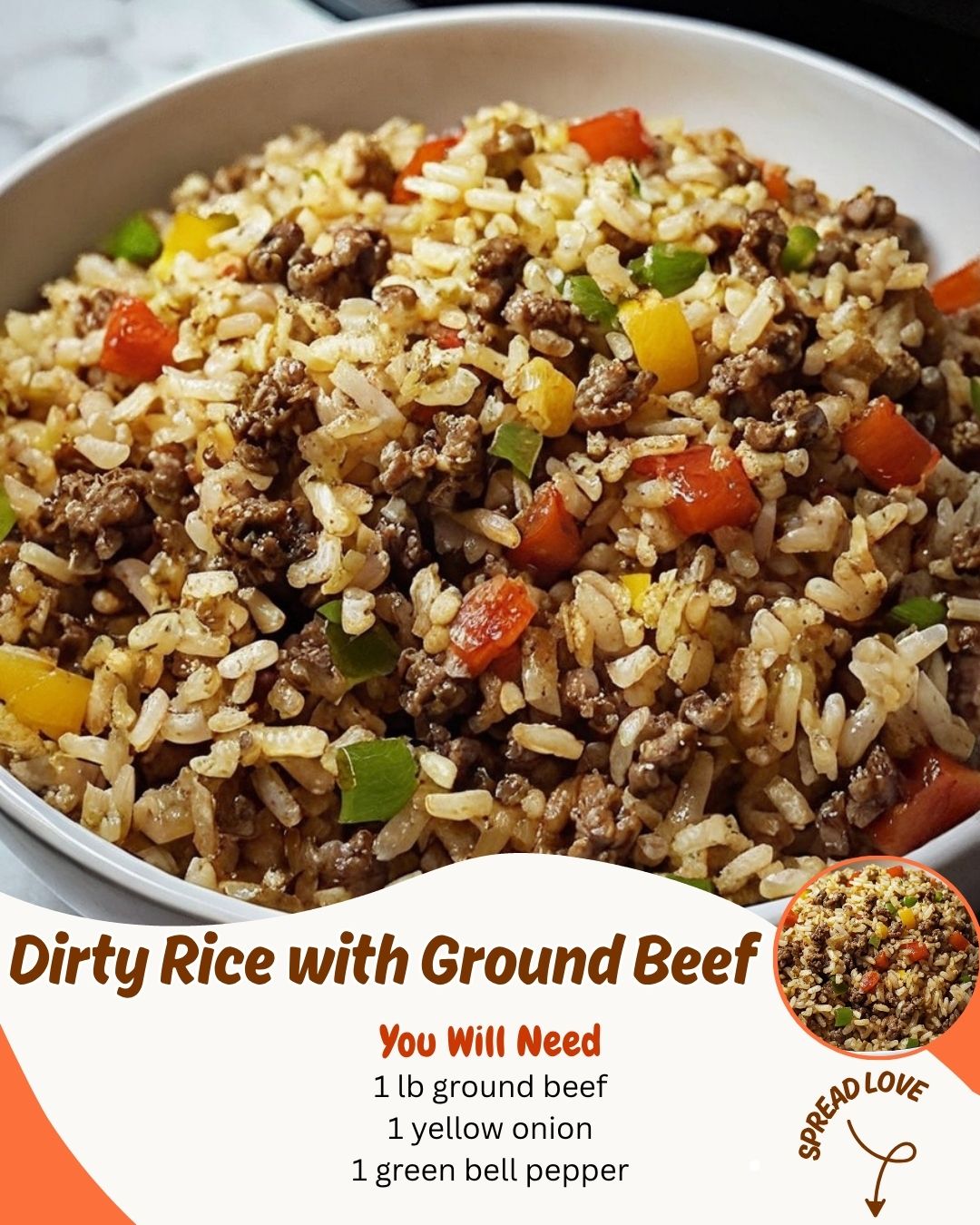
After 20 minutes, turn off the heat. Here’s a pro move I learned from a mistake: leave the lid on and let it rest for 10 full minutes. I was too eager once and ended with gummy rice. This resting time allows the rice to steam perfectly and absorb any last bit of liquid. Then, and only then, remove the lid. Fluff the rice gently with a fork—you’ll see each grain is separate and perfect. Discard the bay leaves, and fold in most of your green onions and parsley. Taste it. This is when I always add another crack of black pepper and maybe a pinch more salt.
Pro Tips for Best Results
The “don’t peek” rule during the rice simmer is the single most important tip I can give you. I’ve broken it, thinking a quick check wouldn’t hurt, and it releases all the precious steam the rice needs to cook evenly. Setting a timer and walking away is the best thing you can do. Also, that final 10-minute rest with the lid on is non-negotiable. It finishes the cooking process gently and ensures your rice isn’t wet or crunchy.
I’ve tested the browning step three different ways: breaking up the beef immediately, letting it get a full sear first, and everything in between. What works best is to add the beef, let it sit untouched for a good 2-3 minutes to develop a brown crust on one side, then start breaking it up. This builds a much deeper, meatier flavor foundation than if you crumble it from the start. Those browned bits (the “fond”) are pure flavor gold.
Finally, taste your broth before adding it. If you’re using a full-sodium broth, you’ll likely need little to no added salt later. If it’s low-sodium, you have more control. Seasoning in layers—a little salt when browning the beef, then adjusting again at the very end—creates a perfectly balanced dish. I always under-season slightly during cooking and do a final adjustment after fluffing.
Common Mistakes to Avoid
My biggest first-time mistake was using instant or minute rice. I was in a hurry and thought it would save time. The result was a mushy, sad pot of what could have been glorious. Trust me, do not substitute the long-grain rice. It holds its structure through the simmer and absorbs the flavors beautifully without turning to paste. The 20-minute simmer is a commitment, but it’s what makes the dish.
Another pitfall is crowding your pan. If your skillet is too small, you’ll steam the beef instead of browning it, and the vegetables won’t soften properly. They’ll just stew in their own juices. You need space for evaporation and caramelization. If things look too cramped, brown the beef in batches or simply reach for a larger pot. I did the cramped-pan thing once, and the flavor was noticeably duller and greasier.
Serving Suggestions
I love serving this rice family-style, right from the pot in the center of the table. It’s a complete meal on its own, but I often pair it with something bright and fresh to cut through the richness. A simple, crisp green salad with a lemon vinaigrette is my go-to. The acidity is a perfect contrast. For a more Southern-style spread, I’ll add some steamed green beans or roasted okra.(See the next page below to continue…)