Pro Tips for Best Results
I’ve tested the sour cream step three different ways: adding it cold to the hot pan (curdled), letting the mix cool completely (too time-consuming), and my recommended off-heat, two-minute cool down. The last method is the absolute sweet spot. It prevents curdling and integrates seamlessly for that creamy texture we’re after. Don’t rush this; those two minutes make all the difference.
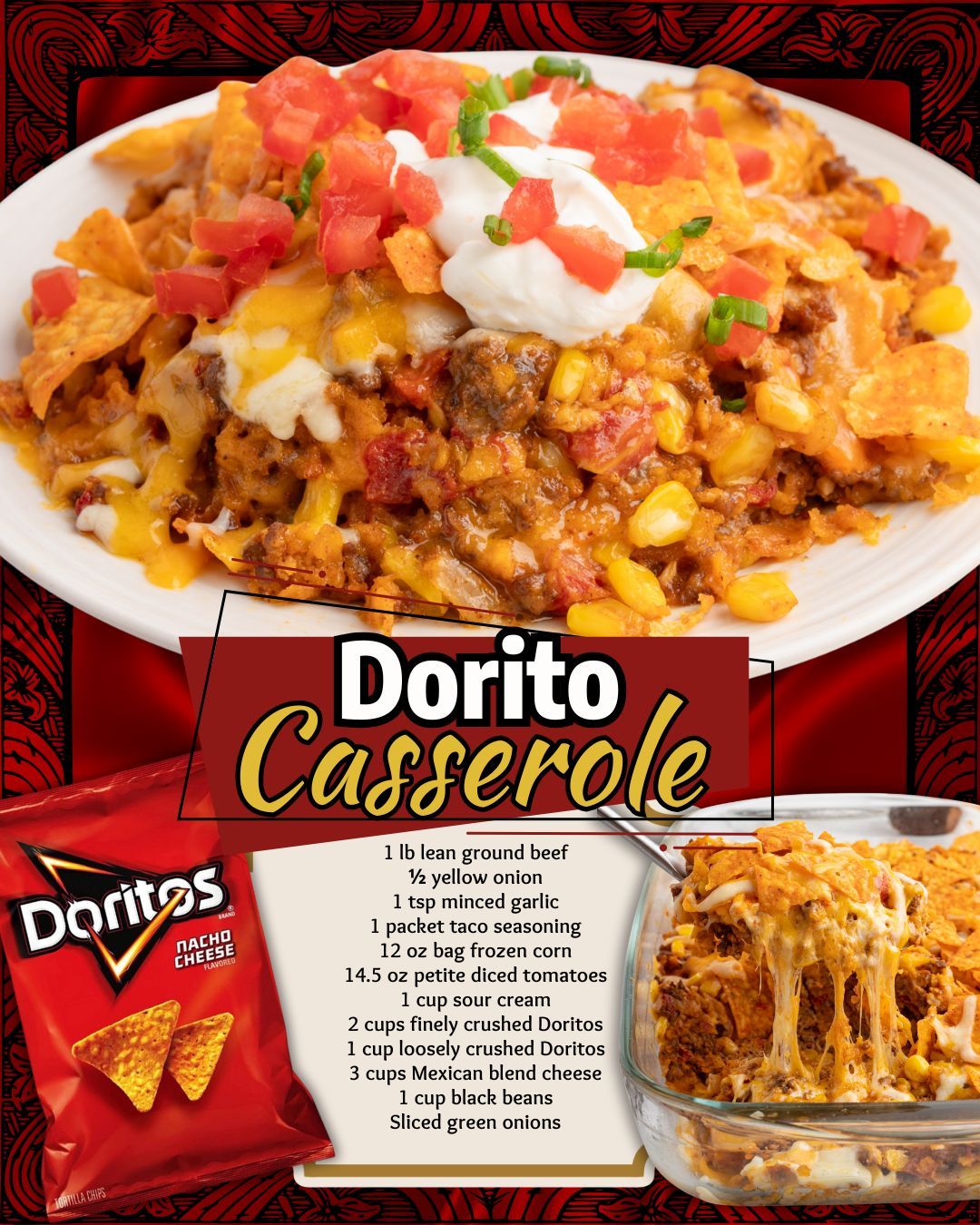
Crushing the Doritos correctly is another game-changer. For the bottom layer, I put them in a zip-top bag and use a rolling pin to get them almost to a coarse sand consistency. For the topping, I just give the bag a few good crushes with my hands—we want identifiable chip pieces for maximum texture contrast. Trust me, using uniformly fine crumbs for both layers results in a mushy topping, and we don’t want that.
Letting the casserole rest after baking is the hardest but most important tip. I made the mistake of diving in with a spoon immediately the first time, and while it tasted great, it was a soupy mess on the plate. Waiting that full 10 minutes allows the hot filling to thicken and set up, making it serveable in beautiful, hearty squares that hold their shape.
Common Mistakes to Avoid
My biggest first-time blunder was using ground beef with a higher fat content and not draining the excess grease. The result was an oddly greasy casserole that made the bottom chip layer unpleasantly soggy. Learn from my mistake: use lean beef (90/10 is perfect) and if there’s more than a teaspoon of fat after browning, take a moment to drain it off. Your casserole’s texture will thank you.
Another pitfall is over-stirring after assembly. Once you’ve layered the crushed chips, the filling, and the cheese, just walk away. I used to be tempted to give it a little mix, thinking it would distribute things evenly, but all it does is muddy the layers and rob you of that fantastic textural journey from the creamy middle to the crunchy top. Layer with confidence and let the oven do the marrying.
Serving Suggestions
I love serving this casserole straight from the dish, garnished with a generous handful of sliced green onions. The fresh, sharp bite they provide cuts through the richness beautifully. For a cool, creamy contrast, I always put out a big dollop of extra sour cream and a bowl of fresh, chunky guacamole on the side. The cool toppings against the warm casserole is a combination I never get tired of.
To round out the meal, I keep the sides simple and refreshing. A crisp romaine lettuce salad with a bright lime-cilantro vinaigrette is my go-to. It lightens up the whole plate. If I’m feeling fancy, or it’s a party, I’ll also serve a bowl of zesty restaurant-style salsa and a pile of tortilla chips for extra dipping options—because you can never have too many chips at a Tex-Mex feast.
For drinks, this casserole pairs wonderfully with something cold and refreshing. An ice-cold Mexican lager, a fizzy agua fresca, or even a tangy limeade are all perfect partners. It’s hearty, flavor-packed food that calls for equally bold and refreshing beverages to wash it all down.
Variations & Customizations
This recipe is a fantastic canvas. Don’t eat beef? I’ve successfully made it with ground turkey, ground chicken, and even a plant-based ground “meat” alternative. Just be sure to season it well. For a chicken version, I use about 3 cups of shredded rotisserie chicken and add it in with the tomatoes and corn—it’s a great way to use up leftovers.
You can absolutely play with the fillings based on what you have. Swap the black beans for pinto or kidney beans. Add a diced bell pepper or a jalapeño to the beef while it browns for extra veggie content and heat. If you’re not a fan of corn, a drained can of diced green chiles adds fantastic flavor. The core formula is very forgiving.
For the topping, while Nacho Cheese is king, I’ve had friends use Cool Ranch Doritos with great success—it gives a totally different, herby-zesty vibe. You can also mix in some crushed Fritos or tortilla strips with the topping Doritos for an even more complex crunch. If you want to go over-the-top, sprinkle a little cooked, crumbled bacon over the cheese layer before adding the chip topping.
How to Store, Freeze & Reheat
For leftovers, I let the casserole cool completely, then cover the baking dish tightly with plastic wrap or transfer portions to airtight containers. It keeps beautifully in the fridge for 3-4 days. The chips on top will soften in the fridge, but the flavor only deepens.
Reheating is key to reviving the texture. I never microwave a whole portion, as it turns the chips to mush. Instead, I reheat individual servings in a toaster oven or a conventional oven at 375°F until hot through and the cheese is bubbly again, about 10-15 minutes. This helps re-crisp the top a bit. You can also freeze the fully assembled but unbaked casserole. Wrap the dish tightly in a layer of plastic wrap and then a layer of foil. It will keep for up to 2 months. Thaw overnight in the fridge and bake as directed, adding a few extra minutes if needed.
Conclusion
This Dorito Casserole is more than just a recipe in my book; it’s a little piece of edible joy. It’s the dish I get requests for, the one that makes everyone’s eyes light up when they see it on the table. It proves that sometimes, the most beloved meals are the simple, hearty, and fun ones. I hope it finds a regular spot in your kitchen rotation and brings as much happiness to your table as it has to mine. Now go preheat that oven—your new favorite dinner is waiting.