Pro Tips for Best Results
I tested the searing process three different ways: high heat and dry meat, medium heat, and skipping it entirely. The high-heat, dry-meat method wins every single time. It creates a flavor foundation that permeates the entire dish. Don’t be afraid of the dark brown crust; that’s exactly what you want.
Here’s what I learned the hard way about braising: the lowest simmer is crucial. I got impatient once and had the heat too high, boiling the ribs instead of braising them. The meat was tough and chewy, not tender. A bare simmer, with just the occasional bubble breaking the surface, is the goal. If your stove runs hot, use a flame tamer or place the pot over two burners on the lowest settings.
The reduction and broil finish is non-negotiable for texture. The reduction concentrates all the flavors into a perfect sauce, and the broiler gives you those irresistible caramelized, slightly crispy edges. Don’t just pour the reduced sauce over the ribs and call it a day. Taking those five extra minutes to brush and broil transforms the dish from “simmered meat” to “caramelized masterpiece.”
Common Mistakes to Avoid
My biggest first-time mistake was using a pot that was too small. I crammed all the ribs in to sear them in one go, and they steamed in their own juice instead of browning. They ended up pale and bland. I promise you, taking the extra ten minutes to sear in proper, uncrowded batches makes a monumental difference in the final flavor. It’s the step that builds depth.
Another classic error is under-seasoning the meat before searing. That dry rub isn’t just for show; it seasons the meat all the way through. If you’re hesitant with salt at the beginning, you’ll end up with bland ribs that you try to fix with sauce at the end, and it never works as well. Be bold with your seasoning right from the start—trust the process and your taste buds will thank you.
Serving Suggestions
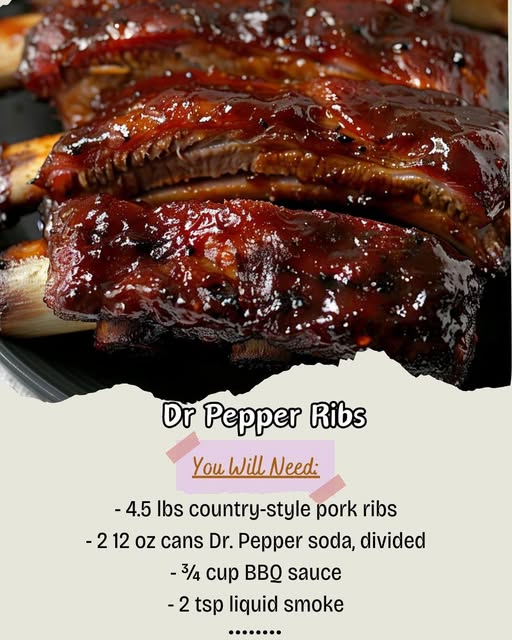
I love serving these ribs piled high on a big, rustic platter with plenty of extra glaze drizzled over the top. The visual alone gets everyone excited. For sides, you need something to cut through that rich, sweet, smoky goodness. I always go for a super creamy, cool coleslaw—the crunch and tang are the perfect contrast. A pile of warm, buttered cornbread for soaking up every last drop of sauce is also a must in my house.
For vegetable sides, I keep it simple and fresh. Grilled corn on the cob brushed with a little chili lime butter is fantastic, or a big, vinegar-based potato salad with lots of dill and celery for brightness. The ribs are the rich, decadent star, so your sides should play a refreshing supporting role.
Don’t forget the napkins—and I mean the roll of paper towels right on the table! These are gloriously messy, eat-with-your-hands ribs. I like to put out a small bowl of warm water with lemon slices for folks to clean their fingers. It’s a casual, fun meal that begs for relaxed conversation and laughter, so embrace the mess and dig in.
Variations & Customizations
If you love a spicy kick, this recipe is a perfect canvas. I’ve added a tablespoon of chipotle peppers in adobo sauce to the braising liquid, and it was phenomenal. You could also swap the BBQ sauce for a spicy variety or add a teaspoon of cayenne or smoked paprika to the dry rub. The sweetness of the Dr. Pepper balances heat beautifully.
For a different soda twist, I’ve had great success with root beer, which gives a more sassafras-forward, winter-spice vibe. Cherry Coke is another fun option, playing up the fruitiness. The method stays exactly the same; just swap the soda. Each one creates a uniquely delicious profile, so don’t be afraid to experiment once you’ve mastered the original.
You can absolutely make this with other cuts, too. I’ve used thick-cut pork chops (reduce braise time to 45-60 minutes) and even chicken thighs (bone-in, skin-on, braise for about 1.5 hours). The Dr. Pepper braise is a versatile technique. For a pulled pork effect, you could use a pork shoulder roast and shred it right in the reduced sauce after braising.
How to Store, Freeze & Reheat
To store leftovers, I let the ribs cool completely, then place them in an airtight container with any remaining glaze. They’ll keep beautifully in the fridge for 3-4 days. In fact, I think the flavors marry and deepen overnight, making the leftovers something to look forward to.
For reheating, do not microwave them! It will make the meat rubbery. My foolproof method is to place the ribs and sauce in an oven-safe dish, cover tightly with foil, and warm them in a 300°F oven for 15-20 minutes, or until heated through. You can also gently reheat them in a covered saucepan on the stovetop over low heat with a tiny splash of water or Dr. Pepper to keep things moist. To freeze, place cooled ribs and sauce in a freezer-safe bag or container for up to 3 months. Thaw overnight in the fridge before using the oven reheat method.
Conclusion
These Dr. Pepper ribs have earned a permanent spot in my recipe rotation, and I hope they find a cherished place in yours, too. They’re the perfect blend of surprisingly simple and spectacularly impressive, the kind of dish that turns an ordinary Tuesday into a celebration. So grab a couple cans of soda, get that pot nice and hot, and prepare to make your kitchen smell like heaven and your dinner guests very, very happy.