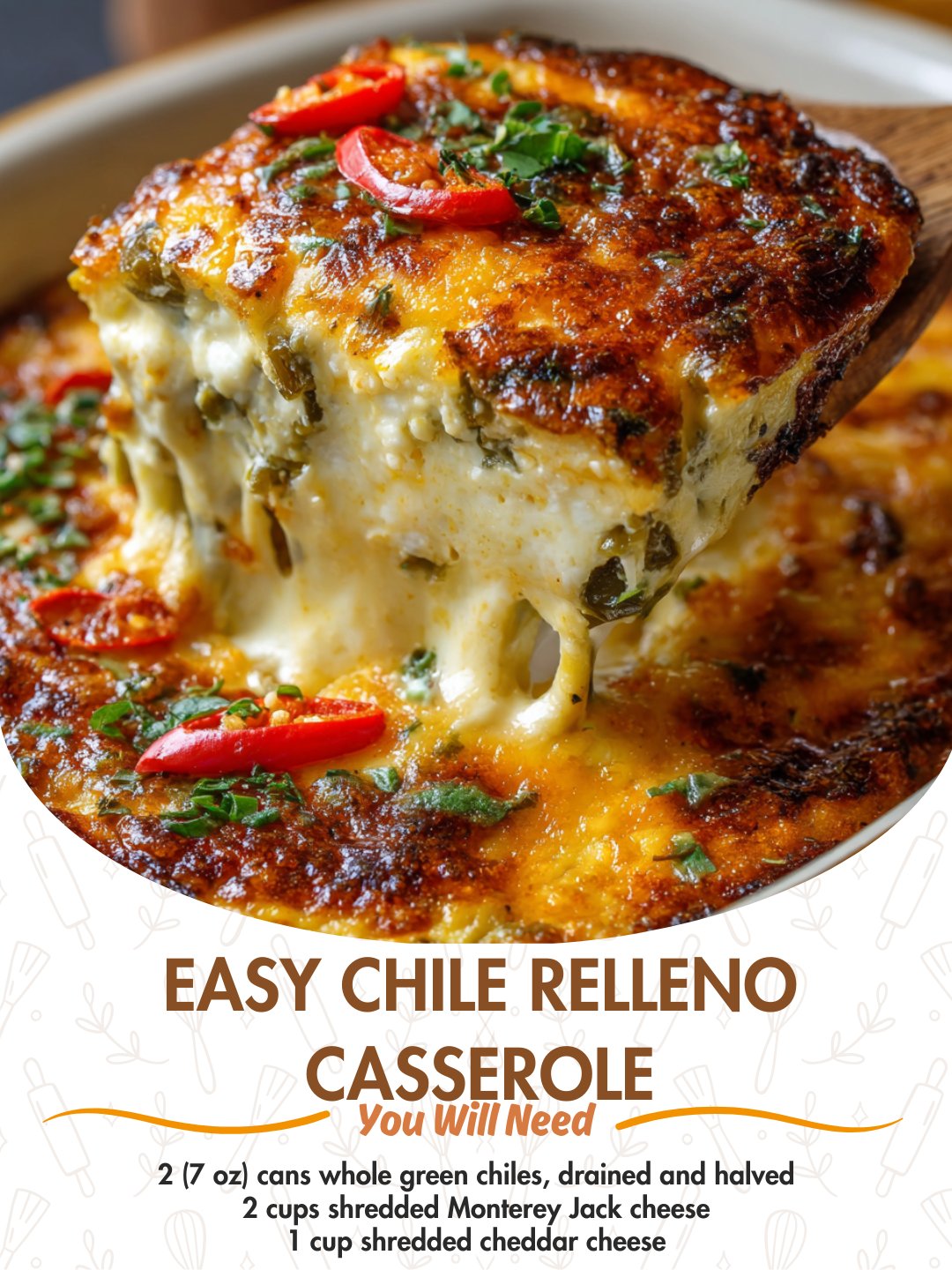
Pro Tips for Best Results
I tested this casserole three different ways to nail the texture. The biggest lesson? The resting time is not a suggestion. That full 10-minute rest allows the custard to fully set. If you cut in too early, it will be a delicious but slightly soupy mess on your plate. Patience here rewards you with perfect, hold-their-shape squares that look like they came from a professional kitchen.
Another pro tip revolves around the sauce. I’ve tried it with plain tomato sauce, and I’ve tried it with a quality canned red enchilada sauce. Trust me, the enchilada sauce wins, hands down. It adds a subtle depth of chili powder and cumin that plain tomato sauce lacks, elevating the entire dish from great to “when are you making this again?” status. Don’t skip this upgrade; it makes a huge difference.
Finally, for the ultimate flavor, consider a tiny sprinkle. After the casserole comes out of the oven, I sometimes like to add a very light dusting of smoked paprika or a sprinkle of chopped fresh cilantro over the top. The warmth of the dish wakes up the smokiness of the paprika or the brightness of the cilantro in the most wonderful way. It’s a five-second step that makes your presentation and taste profile pop.
Common Mistakes to Avoid
The first time I made this, I was in a hurry and I didn’t drain or pat my canned chiles dry. Big mistake. That extra liquid pooled in the bottom of my dish and made the bottom layer a bit watery. It was still tasty, but the texture was off. Don’t do what I did! Taking those sixty seconds to pat them dry ensures every bite is structurally sound and perfectly creamy, not soggy.
Another common pitfall is overmixing the batter. You are not making a cake! A few small lumps of flour in the egg and milk mixture are completely fine and will cook out. If you whisk it into a smooth, elastic frenzy, you can develop the gluten in the flour and end up with a tougher, more bread-like texture instead of the tender, fluffy custard we’re aiming for. Whisk until just combined, then walk away.
Serving Suggestions
I like serving this casserole straight from the dish at the table for that cozy, family-style feeling. A simple, crisp green salad with a sharp lime vinaigrette is my absolute go-to side. The acidity and freshness cut through the richness of the cheese and eggs perfectly. It turns the meal into something balanced and complete without any extra fuss.
For a heartier spread, especially if I’m feeding a crowd, I’ll add a pot of cilantro-lime rice and some simmered black beans on the side. The casserole acts as the glorious, cheesy centerpiece, and the rice and beans soak up any extra sauce wonderfully. It’s a complete, satisfying meal that always gets rave reviews.
Don’t forget the toppings! I set out little bowls of diced avocado, a big dollop of sour cream, some pickled red onions for tang, and extra hot sauce for the brave souls. Letting everyone customize their own plate makes it interactive and fun. My personal favorite bite includes a slice of the casserole, a slice of avocado, and a tiny drizzle of crema.
Variations & Customizations
This recipe is a fantastic canvas. One of my favorite swaps is using roasted Hatch green chiles when they’re in season. I’ll roast, peel, and deseed a batch myself—the smoky, fresh flavor is next-level. You’d need about 1.5 to 2 cups of prepared roasted chiles to replace the canned ones. It’s a bit more work, but for a special occasion, it’s utterly divine.
For a meatier version, I’ve seen (and loved) adding a layer of cooked, seasoned ground beef, turkey, or chorizo between the chiles and the first layer of cheese. If you do this, just be sure to drain the cooked meat very well and let it cool slightly before adding it, so it doesn’t start cooking the eggs in the batter.
You can also play with the cheeses. A pepper Jack cheese adds a lovely kick, or a blend of asadero and Oaxaca cheese gives it an even more authentic, stringy-melt quality. I’ve even added a handful of cotija cheese to the top layer for a salty, crumbly finish. The core recipe is forgiving, so feel free to make it your own.
How to Store, Freeze & Reheat
From experience, leftovers keep beautifully. Once completely cooled, I cover the baking dish tightly with foil or transfer portions to an airtight container. It will stay perfect in the fridge for 3-4 days. To reheat, I find the oven or toaster oven works best to retain texture. I cover a single portion with foil and warm it at 325°F for about 15-20 minutes, until heated through. The microwave works in a pinch, but it can make the edges a bit rubbery.
Yes, you can freeze this! I let the whole casserole cool completely, then cut it into individual portions. I wrap each piece tightly in plastic wrap and then in foil before placing them in a freezer bag. They’ll keep for up to 2 months. To reheat from frozen, I unwrap a portion, place it in an oven-safe dish, cover it with foil, and bake at 325°F for 30-40 minutes, until piping hot in the center. It’s like having a fantastic homemade frozen meal ready to go.
Conclusion
This Easy Chile Relleno Casserole is more than just a recipe to me; it’s a reliable friend in my kitchen. It has saved countless busy weeknights, impressed last-minute guests, and provided the kind of warm, cheesy comfort we all need sometimes. I hope it finds its way to your table and becomes a cherished, easy favorite for you and your family, too. Happy cooking