Pro Tips for Best Results
I tested the butter temperature three different ways. Melting both sticks for the batter works perfectly and ensures a tender crumb. Using cold butter cut into the dry ingredients, as you might for a crisp topping, created a less cohesive batter. So, melt your butter for this recipe—it’s the simpler, superior method.
Room temperature eggs are not just a suggestion here; they’re a game-changer. I made this once with cold eggs straight from the fridge, and the batter was much harder to combine smoothly, leading to a bit of overmixing. Taking the eggs out 30 minutes before you start ensures they blend seamlessly into the batter for the best possible texture.
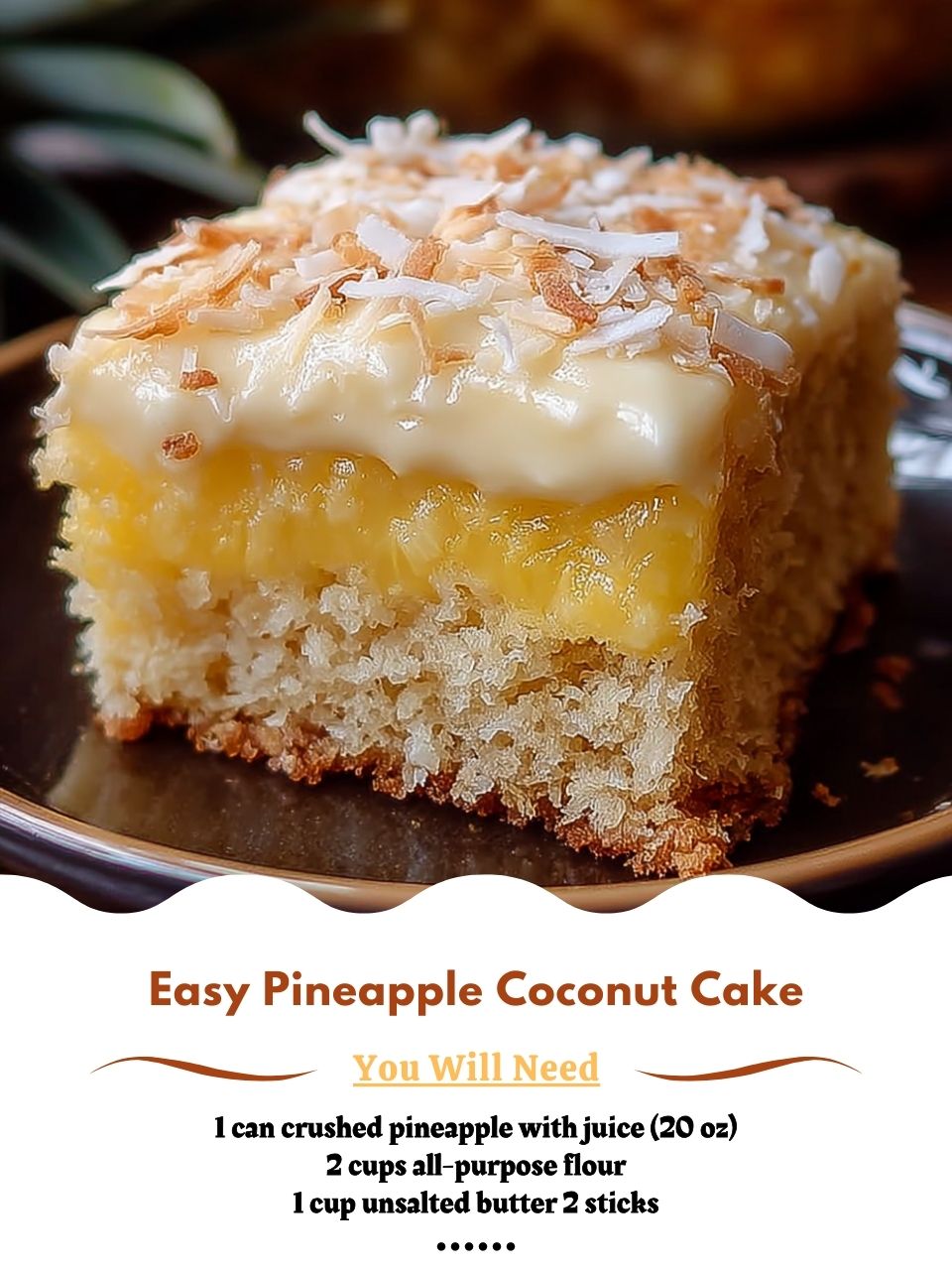
Here’s my secret for the perfect slice: use a thin, sharp knife and dip it in hot water between each cut. I wipe it clean, re-dip, and slice. This method glides right through the sticky pineapple-coconut topping and gives you those stunning, clean layers in every piece. It makes presentation so much more professional.
Common Mistakes to Avoid
The biggest mistake I made the first time was underbaking. I pulled the cake out when the edges looked done, but the center was still wobbly. The result was a delicious but slightly soupy middle section. Don’t do what I did! Wait for that top to be a proper golden brown and trust the toothpick test in the center of the cake layer. It’s better to have a slightly darker coconut topping than an underbaked interior.
Another pitfall is skimping on the pan prep. This cake is famously sticky. A light greasing just won’t cut it. I grease my pan thoroughly with butter, and for an extra safety net, I’ll sometimes line it with a parchment paper sling, leaving an overhang on the two long sides. This guarantees I can lift the entire cake out for flawless cutting and serving. It’s a small step that saves a lot of frustration.
Serving Suggestions
I love serving this cake slightly warm, ideally about an hour after it comes out of the oven. The contrast of the warm, gooey pineapple layer with the cool, melting scoop of vanilla bean ice cream on top is nothing short of heavenly. The ice cream melts into the toasted coconut topping and creates its own sauce.
For a more elegant brunch or afternoon tea presentation, I’ll let the cake cool completely, cut it into clean squares, and add a dollop of freshly whipped cream. A little sprinkle of extra toasted coconut or a thin slice of fresh pineapple on the side elevates it beautifully. The cake is sweet, so the plain whipped cream offers a lovely, balancing contrast.
On a hot day, I’ve even served it chilled straight from the fridge. The texture firms up, and it becomes almost like a creamy, tropical dessert bar. It’s incredibly refreshing this way, and the flavors remain bold and vibrant. A cup of strong coffee or black tea is its perfect partner, cutting through the richness.
Variations & Customizations
I’ve played with this base recipe a few times, and adding a teaspoon of rum or coconut extract to the batter is a fantastic twist for adult gatherings. It amplifies the tropical notes wonderfully. For a nutty crunch, I’ve folded in a half-cup of chopped macadamia nuts or pecans into the batter. They add a wonderful textural surprise against the soft pineapple.
A friend of mine, who adores citrus, tried adding the zest of one orange to the batter. She raved about the bright, sunny flavor it added. I tried it myself, and she was right—it’s a brilliant variation. You could also use pineapple tidbits instead of crushed for more distinct fruit pieces, though I personally prefer the even distribution of the crushed.
For a slightly different take, you can layer the un-cooked pineapple and brown sugar mixture over the batter instead of underneath. I’ve done it this way, and it creates a more pronounced, crisp, candied topping that cracks when you cut into it. It’s less saucy but equally delicious. It’s fun to experiment and see which texture you prefer!
How to Store, Freeze & Reheat
Storing this cake is simple. Once completely cool, I cover the pan tightly with foil or plastic wrap and leave it on the counter. It stays perfectly moist and delicious for up to 3 days. I don’t recommend refrigerating the whole cake unless your kitchen is very warm, as the fridge can dry it out. If you do have individual slices leftover in the fridge, let them come to room temperature or warm them briefly before eating.
This cake freezes beautifully, which I’ve done many times for last-minute guests. I cut it into portions, wrap each piece tightly in plastic wrap, and then place them all in a heavy-duty freezer bag. It keeps for up to 3 months. To reheat, I unwrap a slice and microwave it for 30-45 seconds until just warm, or I let it thaw overnight in the fridge. The pineapple layer might be a little softer after freezing, but the flavor is still spot-on.
Conclusion
This Easy Pineapple Coconut Cake has become my secret weapon for bringing a little joy to the table, whether it’s a quiet Tuesday night or a bustling family gathering. It’s a testament to the fact that the most beloved recipes are often the simplest, built on honest ingredients and uncomplicated methods. Every time I make it, that first warm, tropical scent wafting from the oven feels like a small celebration. I hope it finds its way into your kitchen and becomes a cherished, go-to treat for you, too. Happy baking