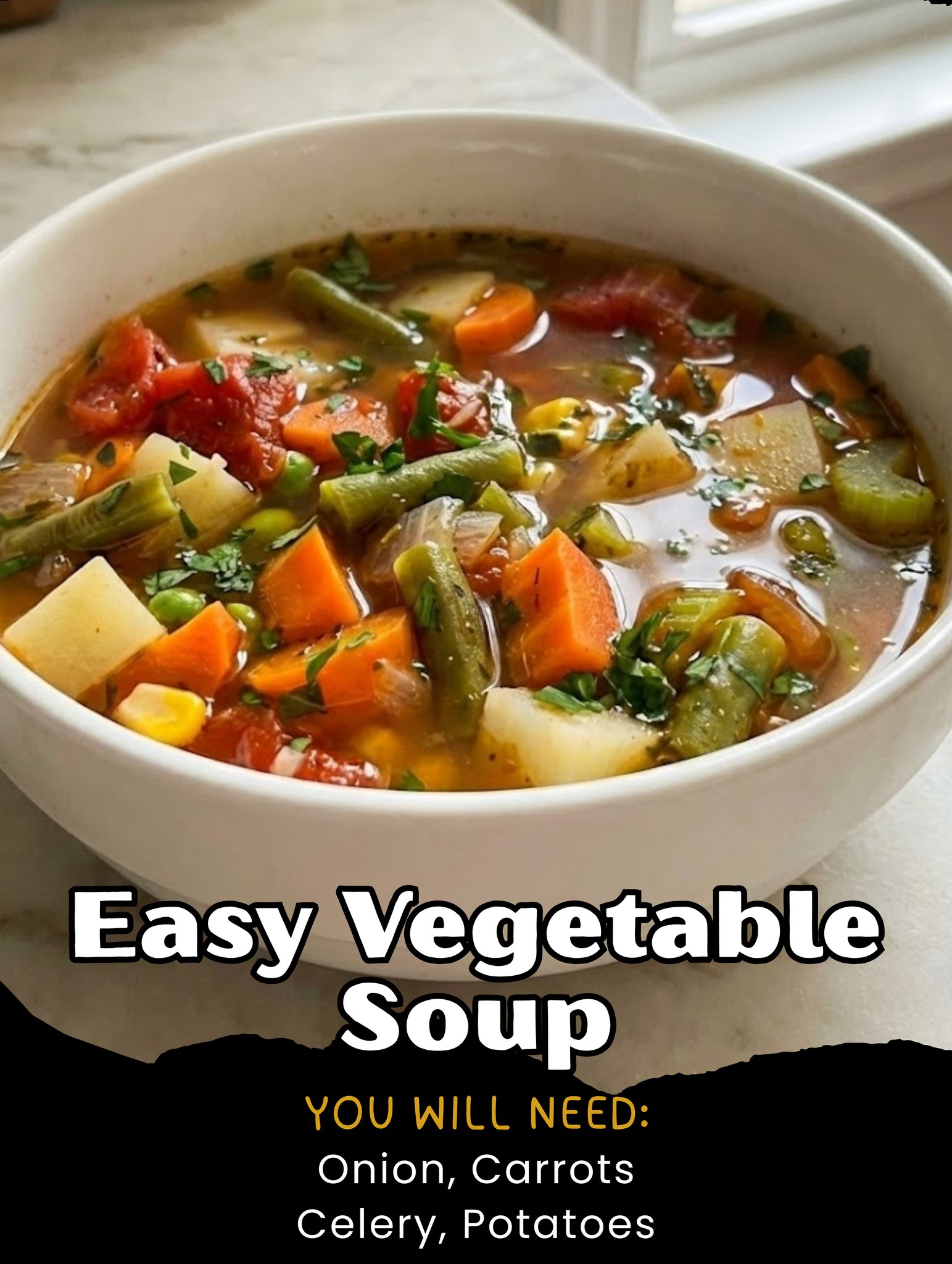
Another mistake is boiling the soup too vigorously after you’ve added the broth. A hard, rolling boil will break down your vegetables too quickly and can make the broth look cloudy and turbulent. You want a gentle simmer—just a few lazy bubbles breaking the surface here and there. This slow, steady heat cooks the potatoes through evenly without destroying the other vegetables. I keep my flame on the lowest setting that maintains that gentle simmer. It feels slower, but it’s the path to a clearer, more refined broth and perfectly cooked veggies.
Neglecting to season in layers is a pitfall that leads to bland soup. Salting only at the end means the salt just sits on the surface of the food. I season my initial onion/carrot/celery sauté with a pinch of salt. This helps draw out their moisture and seasons them from within. Then, I season again, cautiously, once the broth is in and hot. Finally, I do my major seasoning adjustment at the very end, after simmering. Soup reduces as it cooks, so a broth that tasted perfectly salted at the beginning can become too salty by the end. Tasting at every stage is your best defense against a bland or over-salted result.
Lastly, don’t skip the final taste and adjust step. After simmering, your senses are a bit dulled by the constant aromas. I always take my spoon, dip it into the broth, and blow on it carefully. Then I sip, consciously. Does it need a brightness? A tiny splash of lemon juice or red wine vinegar can be miraculous. Does it need depth? A extra crack of black pepper or a sprinkle of smoked paprika might be the answer. This is your moment to make the soup truly yours. I’ve saved many a “good” soup from mediocrity with this one final, mindful taste.
Serving Suggestions
I love serving this soup as the undisputed star of a simple, cozy meal. My absolute favorite pairing is a thick slice of crusty, warm sourdough bread, generously slathered with good salted butter. The bread is perfect for sopping up every last drop of broth from the bowl. For a more substantial meal, I’ll sometimes add a grilled cheese sandwich on the side—the gooey, salty cheese contrasts beautifully with the clean, vegetal notes of the soup. It’s a classic combo for a reason, and it turns a simple soup into a deeply satisfying dinner.
For garnish, I keep it simple but effective. A shower of freshly chopped parsley or basil adds a pop of color and a hint of freshness that cuts through the richness. If I’m feeling indulgent, a sprinkle of grated Parmesan or Pecorino Romano cheese adds a salty, umami punch that takes it to another level. A drizzle of a really good, peppery extra virgin olive oil just before serving is another trick I picked up—it adds a lovely richness and fruitiness to each spoonful. It’s these little finishing touches that make it feel restaurant-worthy.
This soup is also my go-to for casual entertaining. I’ll make a double batch, set out a “soup bar” with small bowls of toppings like those grated cheeses, chopped herbs, red pepper flakes, and even some homemade garlic croutons. It allows everyone to customize their bowl, and there’s something so communal and comforting about ladling soup from a big pot on the stove. It sets a relaxed, welcoming tone for the whole evening. I’ve served it before holiday meals as a light starter, and it’s always a hit—it’s satisfying without being heavy.
On a purely practical note, I always warm my soup bowls before serving. It’s a small step that makes a big difference, especially on a cold day. I just stack them in the sink and run very hot water over them for a minute, then dry them quickly. A cold bowl will steal the warmth from your soup instantly. When I serve it, I ladle it carefully, making sure each bowl gets a good mix of broth, potatoes, and other vegetables. That first spoonful, steaming hot from a warm bowl, is the ultimate comfort.
Variations & Customizations
The beauty of this soup is its adaptability. One of my favorite variations is a “Clean Out the Fridge” version. Got a zucchini that’s getting soft? Dice it and add it with the potatoes. A handful of spinach or kale wilting? Stir it in during the last five minutes of cooking until it’s just wilted. A half-cup of frozen corn or peas? Toss them in at the end to heat through. This recipe is a guideline, not a law. I’ve made it with sweet potatoes instead of white, with leeks instead of onion, and with a parsnip added for extra earthiness. It’s never failed me.
For a protein boost, this soup is incredibly welcoming. I often add a can of rinsed cannellini or great northern beans when I add the broth for a heartier, fiber-rich meal. For a non-vegetarian twist, shredded rotisserie chicken stirred in at the end to just warm through is fantastic. I’ve also seen my friend add small pasta like ditalini or orzo (cooked separately and added to each bowl to prevent it from soaking up all the broth). If you go the pasta route, keep them separate until serving to maintain the perfect texture.
If you’re craving something creamier, there’s a world of options. For a dairy-free creaminess, blend one cup of the cooked soup with a can of drained white beans until smooth, then stir it back into the pot—it’s magical. For a traditional cream of vegetable soup, you can stir in a half-cup of heavy cream or whole milk at the very end, off the heat. A dollop of pesto swirled into each bowl is another incredible twist I’ve tried; it adds a herby, garlicky, cheesy richness that feels completely different but equally delicious.
Spice lovers, this is for you. The basic recipe is a blank canvas for heat. I sometimes add a pinch of red pepper flakes when I add the garlic for a subtle warmth. For a more pronounced kick, a diced jalapeño (seeds removed for less heat) sautéed with the initial vegetables is wonderful. I’ve even made a version with a tablespoon of curry powder added with the thyme, and finished it with a swirl of coconut milk. It transformed my easy vegetable soup into a fragrant, golden curry soup that was a huge hit. Don’t be afraid to play with global flavors.
How to Store, Freeze & Reheat
Storing this soup is a dream. Once completely cooled, I transfer it to airtight containers. It keeps beautifully in the refrigerator for 4-5 days. In fact, I often think it tastes even better on days two and three as the flavors continue to marry. When storing, make sure the soup is cool before sealing the container and putting it in the fridge—placing a large pot of hot soup directly in the refrigerator can raise the internal temperature and is a food safety risk. I usually let it sit on the counter for about an hour before refrigerating.
Freezing is where this recipe truly shines as a meal-prep hero. This soup freezes exceptionally well because there’s no dairy or pasta to get grainy or mushy. I ladle cooled soup into freezer-safe bags or containers, leaving about an inch of space at the top for expansion. I always label them with the date—soup amnesia is real! Laying bags flat to freeze saves a ton of space. Properly stored, it will maintain best quality for about 3 months. I’ve eaten it after 6 months and it was still fine, but the vegetable textures start to soften a bit more.
A word of caution on reheating potatoes: they can sometimes absorb more liquid and make the soup seem thicker after storage. Don’t worry, it’s normal. When reheating, just add a little water, broth, or even a splash of tomato juice to thin it back to your desired consistency. Also, always bring reheated soup to a full, bubbling simmer to ensure it’s safe to eat, especially if it’s been frozen. The joy of knowing you have a homemade, healthy meal waiting for you in the freezer is one of the best feelings a home cook can have.
For reheating, I have two preferred methods. For a single serving from the fridge, the microwave is perfectly fine. I cover the bowl with a damp paper towel to prevent splatters and heat in one-minute intervals, stirring in between, until piping hot. For larger batches or frozen soup, the stovetop is king. I transfer frozen soup to a pot, add a splash of water or extra broth to account for evaporation, and heat it over medium-low, stirring occasionally, until it’s thawed and simmering. Patience is key here to avoid scorching the bottom.
FAQ Section
Can I make this soup in a slow cooker or Instant Pot?
Absolutely, and I do both often! For the slow cooker, I still recommend sautéing the onions, carrots, and celery in a pan first for the best flavor, then transferring them to the slow cooker with everything else. Cook on LOW for 6-8 hours or HIGH for 3-4 hours. For the Instant Pot, use the Sauté function for the veggies, then add everything else, seal, and cook on High Pressure for 8 minutes, with a quick release. Both methods yield fantastic, hands-off results.
My soup turned out a bit bland. What can I do to fix it?
Don’t worry, this happens to everyone! First, ensure you’ve added enough salt—it’s the number one reason for blandness. Acid is your next best friend. A squeeze of fresh lemon juice or a tiny splash of red wine or apple cider vinegar can brighten all the flavors instantly. Finally, consider umami boosters: a dash of soy sauce, Worcestershire sauce (check for anchovies if veggie), or a sprinkle of nutritional yeast can add a deep, savory quality that wakes the whole pot up.
Is it okay to use water instead of vegetable broth?
Technically yes, but I really don’t recommend it. The broth is the primary source of flavor here. Using water will result in a very weak-tasting soup, no matter how many vegetables you add. The vegetables flavor the water, but not enough to create a deeply satisfying broth on their own in such a short cook time. If you’re in a pinch, use water but add a couple of vegetable bouillon cubes or a few tablespoons of a concentrated vegetable paste. It makes a huge difference.
Can I blend this soup to make it creamy?
You sure can! Once the soup is cooked and slightly cooled, use an immersion blender right in the pot or carefully transfer batches to a standing blender (never fill it more than halfway with hot liquid, and vent the lid). Blend until completely smooth for a velvety cream of vegetable soup. You might want to add a touch more broth or a splash of cream to get your perfect consistency. It’s a great way to get kids (or adults!) to eat more veggies.
How can I make this soup more substantial for a main course?
My favorite ways to bulk it up are to add a can of beans (like white beans or chickpeas) or about 1.5 cups of cooked lentils when I add the broth. For a non-veg option, shredded chicken works wonderfully. Serving it over a scoop of cooked quinoa or brown rice in the bowl also turns it into a complete, filling meal. A side of hearty bread or a grilled cheese sandwich, as I mentioned, is the classic and perfect companion.
Conclusion
This Easy Vegetable Soup has become more than just a recipe in my kitchen; it’s a reliable friend. It’s there for me on busy weeknights, quiet weekends, and whenever I need a reminder that good food doesn’t have to be complicated to be profoundly satisfying. I hope it finds a similar place in your home, becoming your canvas for creativity and your guaranteed source of comfort. So grab your pot, chop those veggies, and let the simple, soul-warming magic happen. Happy cooking, and don’t forget the crusty bread for dipping