Now, the fun part: breading and frying. Set up your assembly line: flour in one dish, beaten eggs in another, and breadcrumbs mixed with half the grated Parmesan in the third. Dredge each dry eggplant round in flour, dip in egg, then coat thoroughly in the cheesy breadcrumbs. Heat your frying oil over medium-high heat. You’ll know it’s ready when a breadcrumb sizzles immediately. Fry in batches until deep golden brown on each side, about 2-3 minutes per side. Don’t crowd the pan, or the temperature will drop and you’ll get oily eggplant. I learned that the hard way!
Pro Tips for Best Results
Salting is non-negotiable, but so is drying. I’ve tried rushing this step, thinking a quick pat would suffice, and ended up with a soupy mess. Take the time to really press the moisture out with towels. It ensures the breading sticks and the eggplant fries up crisp instead of steaming. I also find that using a mix of fresh and low-moisture mozzarella gives you the best of both worlds: creamy pockets and that perfect, stretchy cheese pull.
Getting your oil temperature right is another make-or-break moment. If it’s not hot enough, the eggplant acts like a sponge. I use a clip-on thermometer and aim for 375°F. If you don’t have one, the breadcrumb sizzle test is your best friend. And remember, the eggplant will continue to cook in the oven, so you’re just looking for a perfect golden crust here, not aiming for it to be completely soft all the way through.
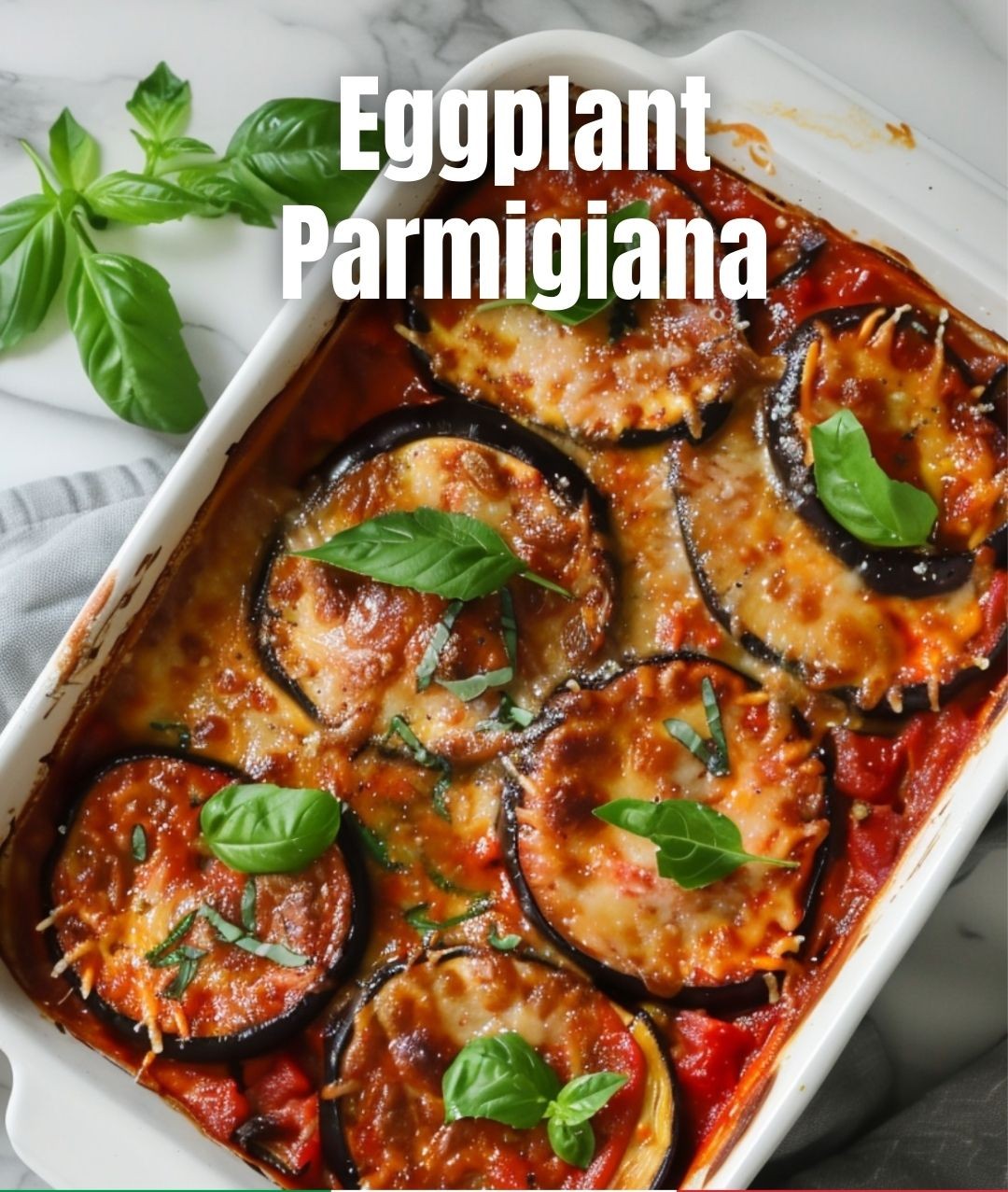
Layer with intention. Start with a thin layer of sauce on the bottom of your baking dish to prevent sticking. Then, I do: eggplant, sauce, a sprinkle of Parmesan, fresh mozzarella slices, and a few basil leaves. Repeat. For the top layer, I like to add the shredded low-moisture mozzarella last—it creates that gorgeous, even, bubbly blanket. This method creates distinct, flavorful layers in every bite.
Common Mistakes to Avoid
The biggest mistake I made early on was under-seasoning. Eggplant is a sponge, but not just for oil—for flavor! Season every layer: salt the eggplant properly, season your sauce well, and don’t be shy with the Parmesan. An under-seasoned eggplant parm is sadly bland. Taste your sauce before assembling. It should taste vibrant and delicious on its own.
Skipping the fry is a common “healthy” swap, but I’ve tried baking the breaded eggplant and it’s just not the same. The texture ends up leathery instead of crisp, and it doesn’t stand up to the sauce. If you must avoid frying, try brushing the breaded slices generously with oil and broiling them for a few minutes on each side to set the crust before assembling. It’s a decent compromise, but the fried version is the authentic, glorious truth.
Don’t assemble and bake immediately after frying! I was once so hungry I did this, and my beautiful crisp layers turned to mush. Let the fried eggplant rounds cool and drain completely on that wire rack first. This lets the crust set. Similarly, let the finished baked dish rest for a solid 15-20 minutes after it comes out of the oven. It allows everything to settle, making it infinitely easier to cut and serve cleanly.
Serving Suggestions
In my house, a simple green salad is the perfect partner. The sharp, lemony vinaigrette cuts through the richness of the bake in the most wonderful way. I toss together some arugula or mixed greens with a quick dressing of lemon juice, olive oil, salt, and pepper right before we sit down to eat. It’s light, fresh, and provides the ideal contrast.
For a heartier meal, I love serving it with a side of garlic bread or a simple pasta like spaghetti aglio e olio. Sometimes, I’ll even spoon any extra warmed marinara over the pasta. It’s a carb-lover’s dream, and perfect for feeding a crowd. If I’m having friends over, this is my go-to move—it feels abundant and incredibly welcoming. (See the next page below to continue…)