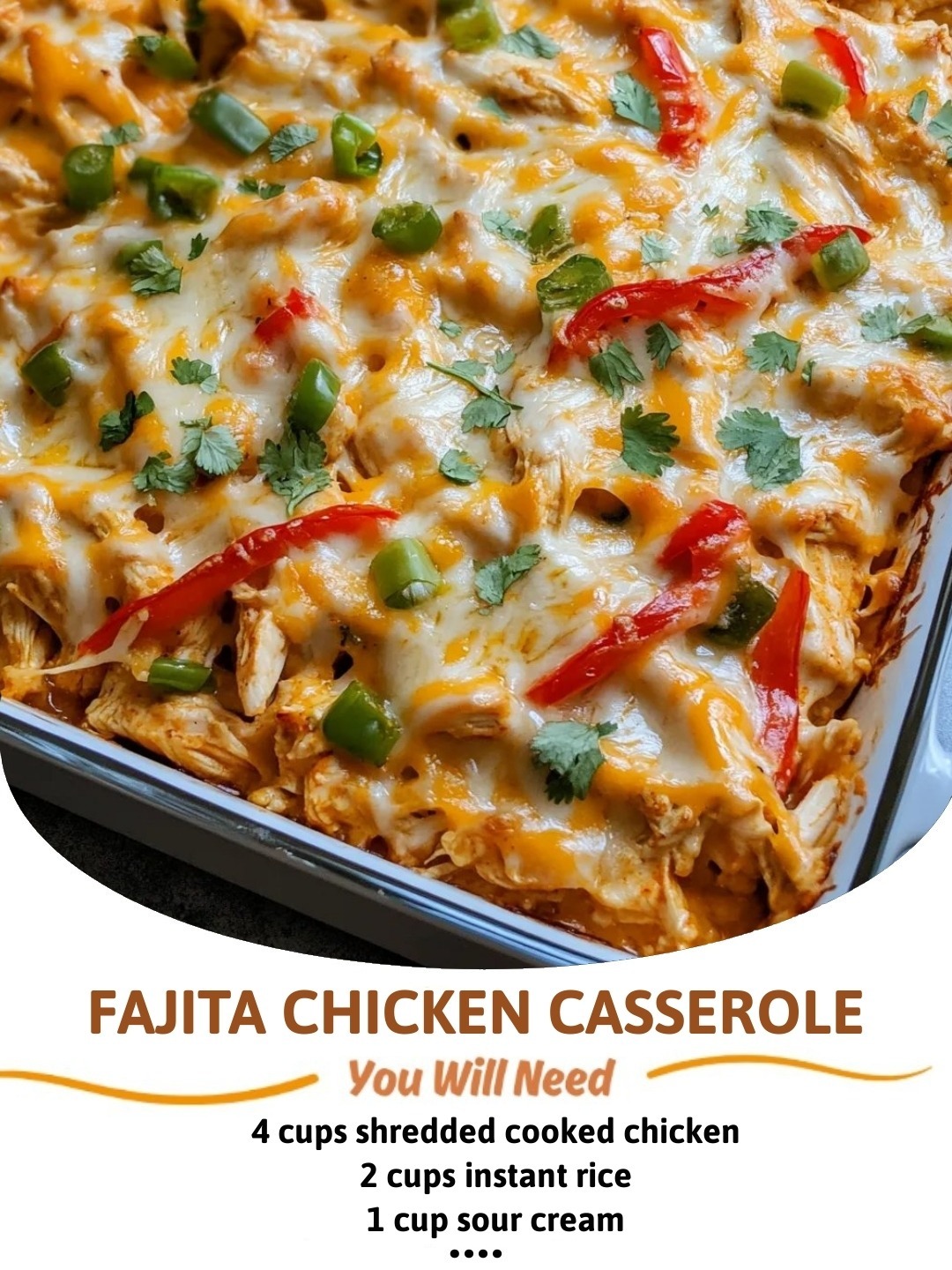
Pro Tips for Best Results
The single best tip I can give you is to let the casserole rest after baking. I know it’s tempting to dive right in when your kitchen smells that good, but I tested this three different ways. Serving it immediately leads to a slightly soupy, albeit delicious, mess. Letting it sit for a full 5-7 minutes allows the rice to fully absorb any remaining liquid and the whole dish to firm up into perfect, scoopable portions.
For the most vibrant veggie texture, don’t over-bake. Those 5-10 minutes uncovered are just to melt and brown the cheese. If you leave it in too long, the peppers and onions can become mushy. I watch it like a hawk during this final stage. If your peppers are sliced thin, they’ll be perfectly tender-crisp. If you prefer them softer, you can quickly sauté them with the onion for a few minutes before mixing in, but honestly, I love the texture straight from the oven.
Here’s what I learned the hard way about the rice: do not substitute long-grain or jasmine rice for the instant rice. I tried it once, thinking it would be healthier, and ended up with a pan of crunchy, undercooked rice swimming in liquid. Instant rice is designed to cook quickly by absorbing liquid rapidly, which is exactly what this no-precook method requires. It’s the engine of this recipe, so stick with it for guaranteed success.
Common Mistakes to Avoid
One major mistake is forgetting to drain and rinse the canned beans and corn. The first time I made this, I was in a hurry and just dumped them in. The extra starchy liquid from the beans and the sugary liquid from the corn made the entire casserole far too wet, and the rice never fully set. It was tasty but had a sloppy Joe consistency. Taking that extra 60 seconds to rinse makes a monumental difference in the final texture.
Another pitfall is uneven mixing. If you don’t combine the sauce with the dry ingredients thoroughly, you’ll get pockets of dry, uncooked rice. I use my hands to ensure every nook and cranny is coated. Also, don’t skip the foil cover for the first part of baking. The trapped steam is what cooks the rice through. Baking it uncovered the whole time will dry out the top before the center is done.
Serving Suggestions
I like serving this casserole straight from the dish at the table, letting everyone see that glorious cheesy top. The classic, must-have toppings are a big dollop of cool sour cream, a handful of fresh chopped cilantro, and maybe a squeeze of lime juice to cut through the richness. I usually set these out in little bowls so everyone can customize their plate.
For sides, a simple, crisp green salad with a lime vinaigrette is my go-to. It balances the heartiness of the casserole perfectly. If I’m feeding a bigger crowd or want a more authentic fiesta feel, I’ll warm up some soft flour tortillas or crispy tortilla chips on the side for scooping. My family loves making little casserole tacos with the warm tortillas.
Leftovers (if you have any!) are incredible repurposed. The next day, I’ll often scoop some into a flour tortilla, add a little extra cheese, and make a killer quesadilla in a hot skillet. It’s like a whole new, equally delicious meal with zero extra effort.
Variations & Customizations
This recipe is a fantastic canvas. For a beef version, I’ve substituted the chicken with seasoned ground beef or shredded beef barbacoa, and it was phenomenal. If you’re feeding vegetarians, you can easily swap the chicken for two cans of rinsed pinto beans and use cream of mushroom soup instead of chicken. The heartiness remains, and the fajita flavors still shine brightly.
Love spice? Me too. I’ve added a finely chopped jalapeño (seeds and all) to the mix, used hot diced tomatoes with green chiles, and even stirred in a couple of tablespoons of my favorite chipotle hot sauce into the creamy mixture. Topping it with sliced pickled jalapeños after baking adds a wonderful tangy heat. For a richer, deeper flavor, try substituting one cup of the cheese with a sharp cheddar.
If you want to lighten it up a bit, you can use reduced-fat cheese and light sour cream with great results. I’ve also added a cup of chopped spinach or zucchini to the mix for a hidden veggie boost—just be sure to squeeze any excess moisture from the zucchini first. The beauty of this casserole is how forgiving and adaptable it is to what you have on hand and love.
How to Store, Freeze & Reheat
From experience, storing this is a breeze. Once completely cooled, I cover the baking dish tightly or transfer portions to airtight containers. It keeps beautifully in the refrigerator for 3-4 days. The flavors actually meld and get even better on day two! To reheat, I prefer the microwave for single portions (about 2 minutes, stirring halfway) or the oven for larger amounts. For the oven, cover with foil and reheat at 350°F until warmed through, which usually takes about 15-20 minutes. Adding a tiny splash of chicken broth before reheating can help refresh the moisture.
Freezing is totally doable! I let the fully baked casserole cool completely, then cut it into portions. I wrap each portion tightly in plastic wrap and then in foil, or place them in a single layer in a heavy-duty freezer bag. It freezes well for up to 2 months. To reheat from frozen, I don’t even thaw it. I just remove the wrappers, place it in an oven-safe dish, cover it with foil, and bake at 375°F for 30-45 minutes, until piping hot in the center. The texture is nearly identical to fresh—a lifesaver for future busy nights.
Conclusion
This Fajita Chicken Casserole is more than just a recipe in my book; it’s a reliable friend for busy days, a guaranteed smile at the dinner table, and proof that the most comforting food doesn’t have to be complicated. I hope it finds a spot in your regular rotation and brings as much joy to your kitchen as it has to mine. Give it a try this week, and don’t forget to top it with that extra sprinkle of cheese and cilantro. Happy cooking