Pro Tips for Best Results
My first tip is all about temperature control. I tested this three different ways: high heat, medium-low, and the low-and-slow method I describe. Rushing it on high heat causes the milk to scald and the bottom to burn, giving the whole pudding a bitter undertone. The low, gentle simmer is the absolute key to a smooth, perfectly cooked result. It’s a lesson in gentle cooking that pays off in every spoonful.
Here’s what I learned the hard way about resting time. The pudding will look a little loose when you first pour it out. Your brain might say, “It’s not thick enough, cook it longer!” Resist that urge. As it cools, the starches from the rice continue to set and the custard firms up. If you cook it until it’s super thick in the pot, it will turn into a stiff, pasty mound once chilled. Let the science of residual heat work for you.
For an even deeper flavor, consider toasting your Minute Rice in the dry saucepan for just a minute or two over medium heat before adding the milk. It brings out a lovely, nutty dimension. Also, if you’re a fan of that classic skin on top (I absolutely am!), simply press a piece of plastic wrap directly onto the surface of the pudding while it’s still warm in the bowl. This traps steam and encourages that beautiful, creamy layer to form.
Common Mistakes to Avoid
The biggest mistake I made the first time was not tempering the egg properly. I was in a hurry and just dumped the beaten egg straight into the hot pudding. I ended up with little white curds throughout—still edible, but not the smooth, luxurious texture I wanted. Don’t do what I did. Take the extra 60 seconds to slowly warm the egg with the hot liquid. It’s the single most important technique for nailing this recipe.
Another common pitfall is substitution confusion. Minute Rice (pre-cooked) is essential here for the quick cook time and specific texture. Do not use regular long-grain or jasmine rice; they require completely different liquid ratios and cooking times and will not work in this recipe. I tried it once out of curiosity, and after 45 minutes, I still had crunchy rice in a pot of thin milk. Stick with Minute Rice for this specific, wonderful result.
Serving Suggestions
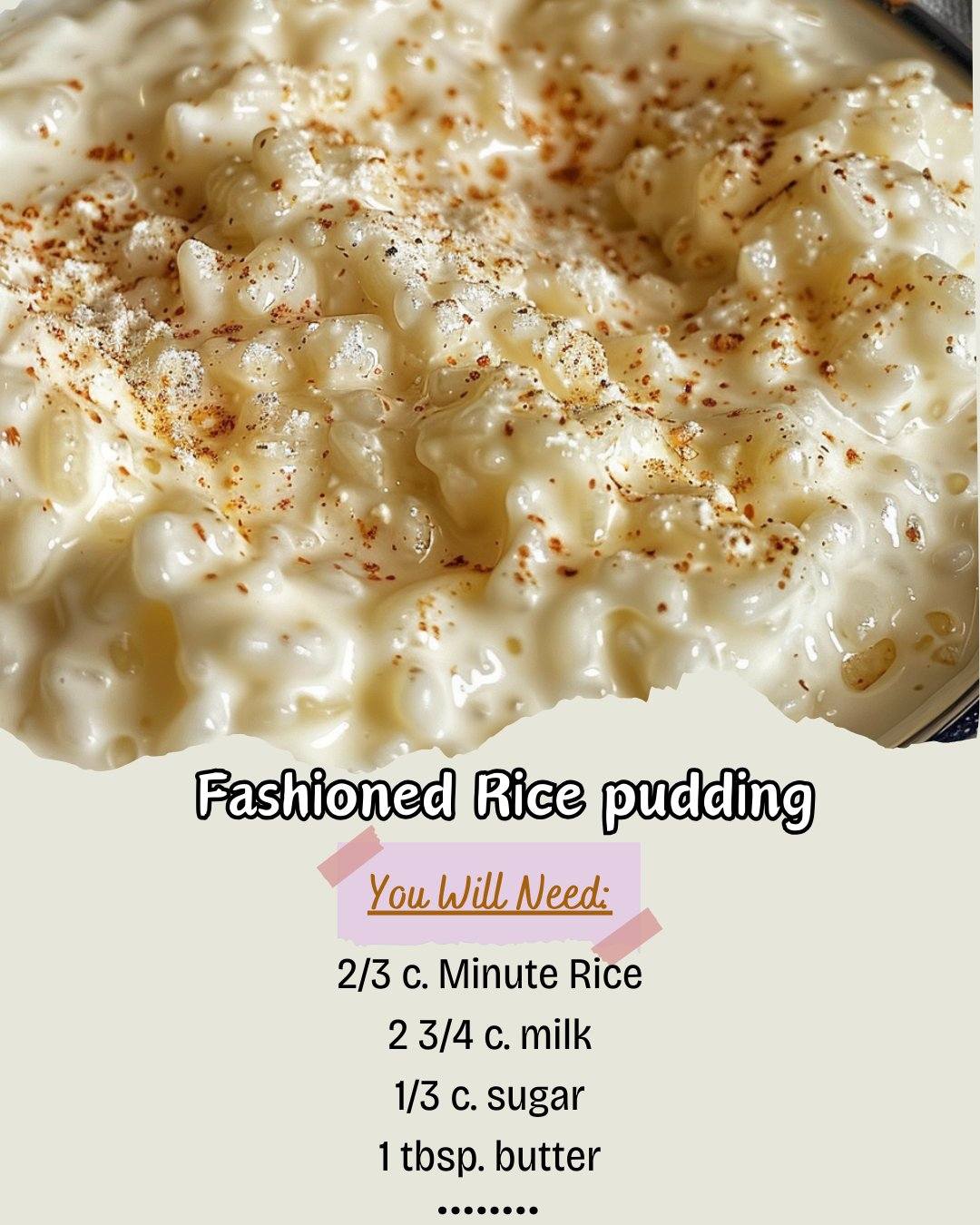
I love serving this pudding warm, especially on a chilly evening. It’s sublime straight from the pot, still softly steaming. A final light dusting of cinnamon over the top is my go-to garnish—it looks beautiful and adds another whisper of spice. Sometimes, I’ll add a tiny pat of cold butter on top of a warm serving and watch it melt into a golden pool.
For a cold version, I chill it in the fridge for a few hours until it’s firm and cool. This is how my grandmother always served it. I like to top a cold bowl with a dollop of freshly whipped cream and a sprinkle of nutmeg. The contrast between the cold, creamy pudding and the light, airy cream is just heavenly. A handful of fresh raspberries or sliced strawberries on the side adds a lovely, tart brightness that cuts through the richness.
If I’m feeling extra indulgent, I’ll create a sundae-style treat. I layer the chilled pudding in a glass with crushed amaretti cookies or graham crackers and a drizzle of caramel or chocolate sauce. It turns this humble dessert into something truly special for guests. For breakfast (yes, I consider this a perfectly acceptable breakfast!), I stir in a handful of plump raisins or dried cranberries that I’ve soaked in a bit of orange juice.
Variations & Customizations
One of my favorite ways to change this up is with citrus. Adding the zest of one orange or lemon to the milk as it simmers infuses the entire pudding with a beautiful, sunny fragrance. I remove the zest before adding the egg. It’s a refreshing twist that feels a bit more elegant. I’ve also stirred in a tablespoon of lemon curd at the end for a brilliant burst of tartness.
For a “rice pudding risotto” vibe, I’ll stir in a tablespoon of cream cheese or mascarpone right after adding the vanilla. It makes it impossibly rich and tangy. My friend adds a couple of tablespoons of dulce de leche instead of some of the sugar, which creates a deeply caramel-flavored pudding that is dangerously good. I’ve tried it, and it’s a showstopper.
The spice profile is also wonderfully adaptable. While cinnamon is classic, sometimes I use a scrape of a vanilla bean instead of extract for those gorgeous black specks. Cardamom or a pinch of nutmeg are also fantastic. For a chai-spiced version, I’ll add a tiny pinch each of ginger, cloves, and allspice to the cinnamon. It makes your kitchen smell like your favorite tea shop.
How to Store, Freeze & Reheat
To store, I let the pudding cool completely, then press plastic wrap directly on the surface (to prevent that skin from forming further, if you prefer) and store it in an airtight container in the fridge. It keeps beautifully for 3-4 days. The flavors actually meld and improve after a day. You’ll notice it thickens significantly when cold, which is perfect for eating with a spoon straight from the fridge.
I do not recommend freezing this pudding. I tried it once, and the texture suffered greatly. The dairy separated upon thawing, becoming slightly grainy and watery, even after vigorous stirring. It lost that smooth, creamy essence that makes it so special. This is truly a “make and enjoy within a few days” kind of treat. To reheat, I gently warm desired portions in a saucepan over low heat, adding a splash of milk to loosen it back up to my preferred consistency. Microwaving in short bursts, stirring between each, also works in a pinch.
Conclusion
This old-fashioned rice pudding is more than just a recipe; it’s a little piece of kitchen therapy. It’s proof that the simplest things, made with a bit of care, can bring the deepest comfort. I hope it finds a place in your recipe rotation and becomes a source of warmth and satisfaction in your home, just as it has in mine. Now, go put that pot on the stove. Your cozy bowl of happiness awaits.