Pro Tips for Best Results
I tested the marinating time three different ways: 15 minutes, 1 hour, and 4 hours. While 15 minutes works in a pinch, the one-hour mark is the sweet spot. The lime juice has time to work its tenderizing magic without starting to “cook” the outer layer of the chicken, which can happen with longer marination in high-acid mixes. That hour makes the texture undeniably better.
For the perfect sear, make sure your skillet is properly hot before adding the chicken. I wait until a single drop of water flicked into the pan dances and evaporates instantly. Also, don’t overcrowd the pan. If my skillet is small, I cook the chicken in two batches. Crowding creates steam and prevents that beautiful, caramelized crust from forming. It’s worth the extra few minutes.
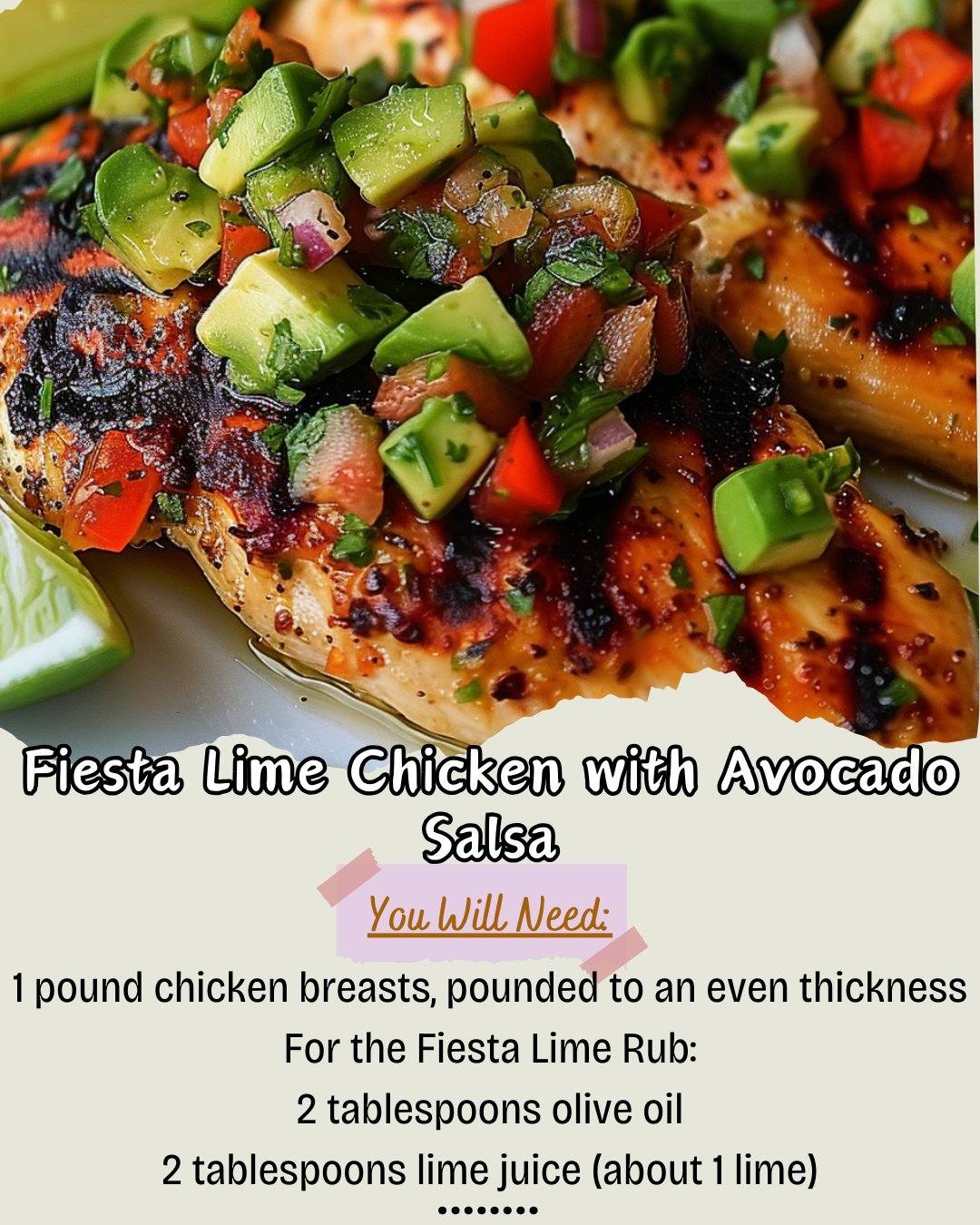
When making the avocado salsa, add the lime juice immediately after dicing the avocados and stir gently to coat. The acid helps prevent browning. I also use my knife to chop the cilantro—I’ve tried kitchen shears, but chopping releases more of its fragrant oils. Trust me, you’ll taste the difference.
Common Mistakes to Avoid
The first time I made this, I got impatient and sliced into the chicken the second it came out of the pan. Big mistake. All those precious juices I worked so hard to keep inside just rushed right out onto the cutting board, leaving the meat drier than I wanted. I promise you, letting it rest for five minutes feels like forever when you’re hungry, but it is the single most important step for juicy chicken. Set a timer and walk away.
Another common pitfall is using under-ripe avocados. I’ve done it, thinking they’d be fine. They’re not. They don’t dice cleanly, they don’t blend nicely with the other salsa ingredients, and they lack that rich, buttery flavor that makes the salsa so special. If your avocados are hard, just wait a day or two. The salsa is worth the wait.
Serving Suggestions
I love serving this chicken family-style on a big platter, with the avocado salsa piled high in the center. It makes for such a vibrant, inviting presentation. For a simple, balanced weeknight meal, I pair it with a side of cilantro-lime rice to soak up any extra juices and a quick black bean salad. The flavors complement each other perfectly.
When I want to keep things lighter or am following a lower-carb plan, this chicken is fantastic over a big bed of crisp romaine lettuce as a hearty salad. I’ll even add some grilled corn, cherry tomatoes, and a light drizzle of the lime juice from the salsa bowl as a dressing. It’s incredibly satisfying.
For a fun, casual gathering, I slice the chicken into strips and serve it as part of a build-your-own bowl bar. I set out the avocado salsa, rice, beans, shredded cheese, sour cream, and warm tortillas. It’s an interactive meal that everyone loves, and it takes the pressure off me as the host!
Variations & Customizations
This recipe is a wonderful canvas. If you’re not a fan of chicken breasts, try it with boneless, skinless chicken thighs. They’re more forgiving and stay incredibly juicy. The cooking time will be slightly shorter, so keep an eye on them. I’ve also grilled the marinated chicken outdoors, which adds a fantastic smoky flavor that pairs wonderfully with the lime.
You can easily customize the avocado salsa to your taste or what you have on hand. I’ve added diced mango or pineapple for a sweet twist, which is fantastic in the summer. Sometimes I swap the red onion for finely diced shallots for a milder flavor. If cilantro tastes like soap to you, fresh parsley or even a little chopped mint makes a great substitute.
For a dairy-free or Whole30 version, this recipe is already perfect as-is. To make it keto-friendly, simply serve it over cauliflower rice or a big pile of sautéed peppers and onions. I’ve tried it both ways, and it’s just as delicious. The core flavors are so strong that they shine through any dietary adjustment.
How to Store, Freeze & Reheat
To store leftovers, I keep the chicken and avocado salsa in separate airtight containers in the fridge. The chicken will last for up to 3-4 days, but the salsa is best enjoyed within 24 hours, as the avocados will eventually brown (though the lime juice helps slow it down). If the salsa looks a little dark on top the next day, I just give it a stir—it’s usually still fine underneath.
I don’t recommend freezing the assembled dish with the salsa, as avocados don’t freeze well. However, you can absolutely freeze the marinated, uncooked chicken. I place it in a freezer bag with the rub, squeeze out the air, and freeze for up to 2 months. Thaw it overnight in the refrigerator before cooking. To reheat cooked chicken, I gently warm it in a skillet over low heat with a tiny splash of water or chicken broth to keep it moist. The microwave can make it rubbery, so the skillet is my trusted method.
Conclusion
This Fiesta Lime Chicken with Avocado Salsa is more than just a recipe in my kitchen; it’s a little burst of joy. It’s proof that with a handful of fresh ingredients and a few simple techniques, you can create something that feels special and tastes phenomenal. I hope it brings as much light and flavor to your table as it has to mine. Now, go grab those limes and avocados—your taste buds will thank you. Happy cooking