Pro Tips for Best Results
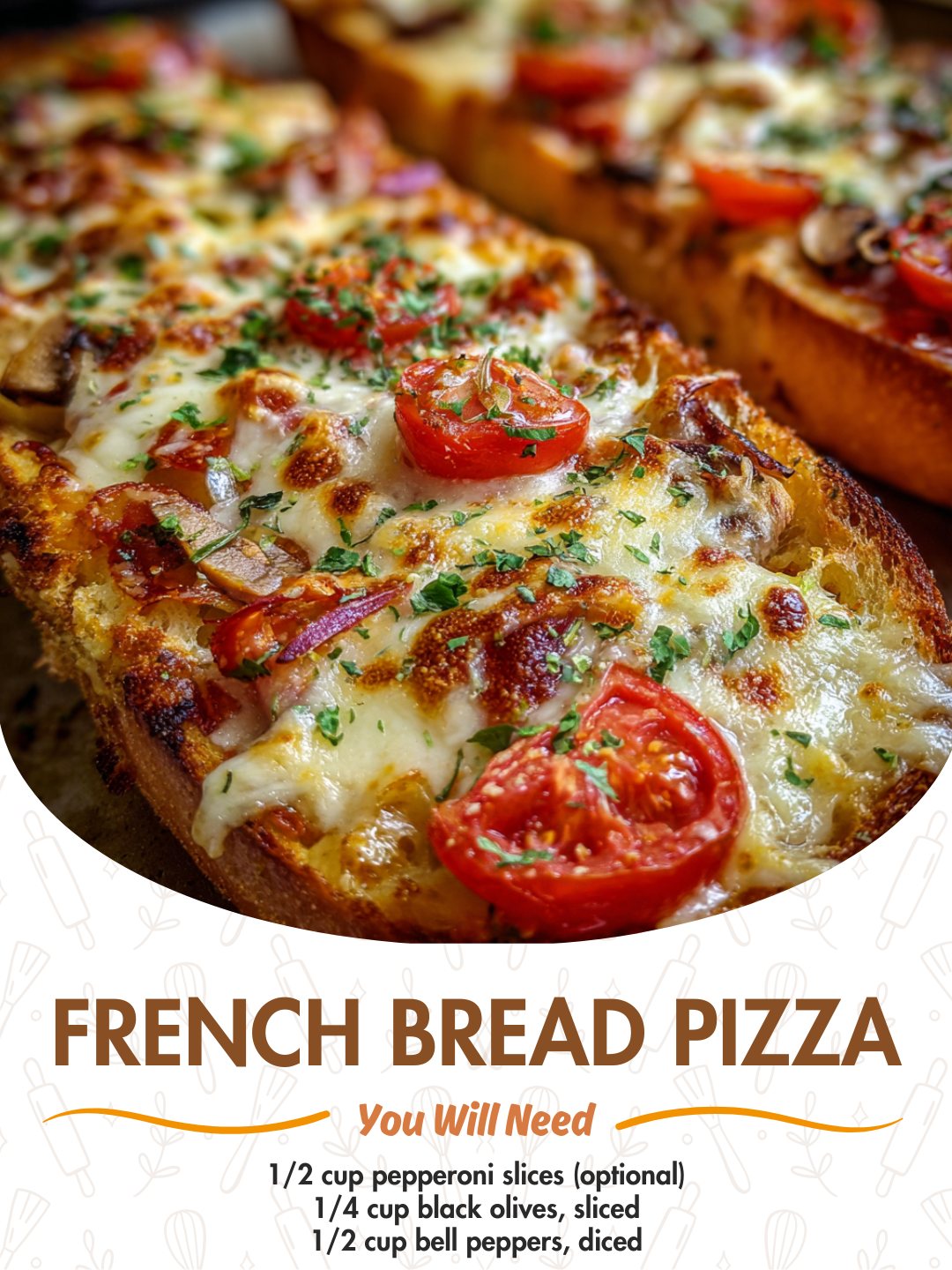
I tested the broiler method three different ways, and here’s what I learned: while a quick broil at the end can give you a beautiful bubbly top, it’s a treacherous path. It goes from perfect to charred in about 30 seconds. For consistent results, I stick with the high-heat bake. The bread crisps perfectly, and the cheese melts evenly without the stress of babysitting the broiler.
Toasting the bread before adding toppings was another experiment. I tried baking the oiled halves for 5 minutes first. It creates an extra-sturdy, cracker-like base, which is fantastic if you’re loading on wet ingredients like fresh mushrooms or lots of veggies. For a standard pepperoni pizza like this one, the single-bake method works perfectly and saves time. But it’s a great trick to have in your back pocket.
The single most important tip? Don’t overcrowd your baking sheet. If you’re making a full loaf, give the halves some space. If they’re too close together, they steam each other and the bread loses its crucial crispness. If my baking sheet is small, I actually use two sheets. It seems like a small thing, but trust me, it makes a huge difference in achieving that ideal texture contrast.
Common Mistakes to Avoid
My first time, I was so excited I piled on the toppings sky-high. Big mistake. The weight of all those ingredients prevented the bread from crisping, and the center stayed stubbornly doughy. The toppings also cooked unevenly. I learned that with French bread pizza, less is more. A moderate, even layer allows everything to heat through and the bread to become gloriously crunchy. Think of it as a flavorful coating, not a mountainous heap.
Another classic blunder I made? Using the wrong cheese. In a fit of “gourmet” inspiration, I used fresh buffalo mozzarella. It created a pool of milky water on my pizza, making the bread a sad, soggy sponge. Low-moisture mozzarella is essential—it melts beautifully without releasing excess water. And don’t skip the pre-shred for this; the anti-caking agents actually help it brown and crisp up nicely.
Serving Suggestions
I love serving these pizza halves right on the baking sheet, cut into big, rustic chunks. It’s casual, inviting, and perfect for sharing. For a fun family meal or game night, I’ll even set out a board with different half-loaves—one pepperoni, one veggie, one just cheese—and let everyone dig in. The communal, hands-on feel just adds to the enjoyment.
To round out the meal, a simple, crisp side salad is my absolute go-to. The cool, fresh greens with a bright vinaigrette are the perfect counterpoint to the rich, cheesy, savory pizza. It makes the meal feel complete and balanced without any extra fuss. A Caesar salad or a basic mix of romaine, cherry tomatoes, and red onion works wonders.
For a truly indulgent spread, especially when friends are over, I’ll add some garlic knots or breadsticks on the side. And don’t forget the condiments! I always put out little bowls of red pepper flakes, grated Parmesan, and sometimes a drizzle of hot honey for those who want a sweet-heat kick. It lets everyone customize their final bite.
Variations & Customizations
The beauty of this recipe is its canvas-like quality. When I’m craving something meaty, I’ll do a “Supreme” version with cooked Italian sausage, sliced mushrooms, and red onions. For a “White Pizza,” I skip the red sauce and use a base of ricotta mixed with a little garlic and Parmesan, then top with mozzarella and sautéed spinach.
For a vegetarian option that’s anything but boring, I love a combination of artichoke hearts, sun-dried tomatoes, and kalamata olives. Another winner is a BBQ “Chicken” pizza using shredded rotisserie chicken tossed in BBQ sauce, red onion, and cilantro, with a mozzarella and cheddar blend. The possibilities are truly endless.
I’ve even made a breakfast version for a crowd! I use the garlic oil base, then spread on a little scrambled egg mixture, crumbled cooked bacon or sausage, and top with cheddar cheese. Bake until golden and bubbly. It’s a huge hit for brunch. Don’t be afraid to play with sauces, too—pesto, Alfredo, or a spicy arrabbiata can completely redefine the experience.
How to Store, Freeze & Reheat
For leftovers, I let the pizza cool completely, then wrap each half tightly in plastic wrap and store it in the fridge for up to 3 days. To reheat, the microwave will make it rubbery and soft. I’ve tried it, and it’s a disappointment. Instead, I always use the oven or a toaster oven. I place the slices on a rack at 375°F until hot and crisp again, which usually takes 8-10 minutes. It brings back that essential texture.
Freezing works surprisingly well! After baking and cooling, I wrap the whole halves or individual portions tightly in plastic wrap, then in foil. They’ll keep for up to 2 months. To reheat from frozen, I don’t even thaw them. I just unwrap them and pop them straight into a 400°F oven on a rack for 15-20 minutes. It’s like having a premium frozen pizza on demand, but one that you crafted yourself.
Conclusion
So there you have it—my tried-and-true, heart-warming, incredibly delicious French bread pizza. It’s more than just a recipe; it’s a little passport to a happy, satisfied dinner with minimal effort. I hope you have as much fun making (and eating!) it as I do. Now, go preheat that oven, grab a loaf of bread, and get ready for your kitchen to smell like pure joy. Happy cooking