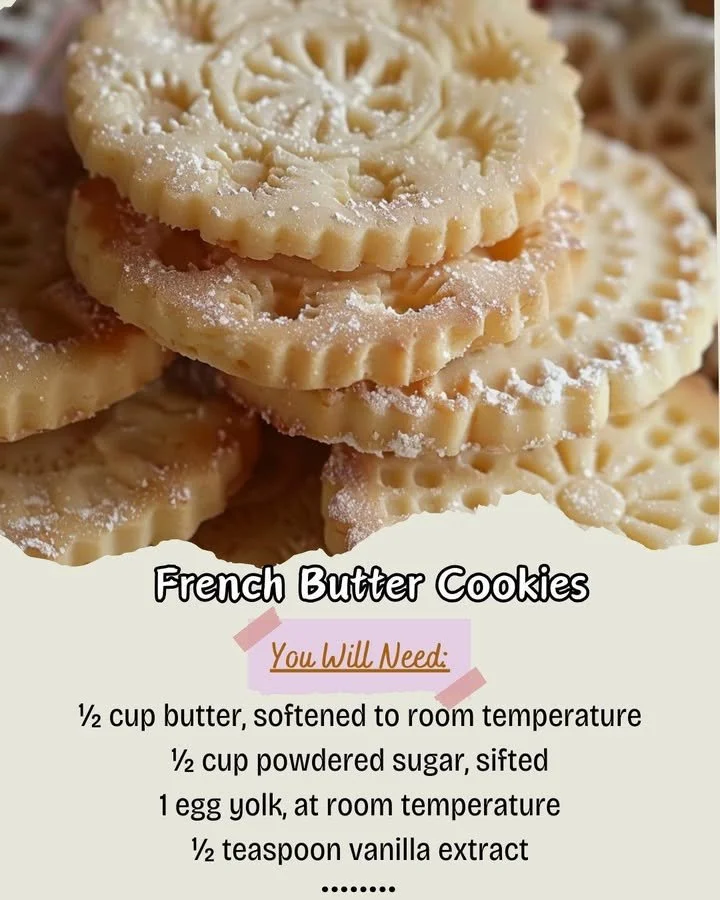
Next, sift in the flour and salt. At this point, things might get a bit messy, but don’t worry – it’s all part of the fun! Gently fold the flour mixture into the butter mixture using a spatula. I often find that doing this by hand prevents over-mixing, which can cause the cookies to become too tough. The dough should come together beautifully; it will be slightly sticky but manageable. If you’re feeling adventurous, this is the time to add in chocolate chips or nuts!
Once the dough is ready, I like to wrap it in plastic wrap and refrigerate it for about an hour. This resting period helps to firm up the dough, making it much easier to shape later. While I wait, I often use this time to tidy up my kitchen because let’s be real – baking can get a bit chaotic! After the dough is chilled, preheat your oven to 350°F (175°C).
Now it’s time to roll out the dough on a lightly floured surface. If you’ve chosen to use cookie cutters, roll the dough to about 1/4 inch thick and cut out shapes. If you’re going for a more rustic look, you can simply scoop tablespoons of dough and shape them into balls. Place your lovely cookies on a parchment-lined baking sheet and pop them in the oven. Bake these treasures for around 10-12 minutes or until the edges are lightly golden—trust me, you’ll be counting down the seconds with excitement!
Pro Tips for Best Results
I tested this cookie recipe with varying butter temperatures: cold, room temperature, and even a little melted. I found that room temperature butter yields the best texture—creamy and smooth. Using cold butter made it difficult to mix, while melted butter caused the cookies to spread too much.
Another tip I discovered is to be careful not to over-bake. I once left a batch in the oven a minute too long, and they became a bit too crispy for my taste. I recommend checking them a minute earlier than the stated time. They should just be lightly browned on the edges for that perfect tender bite!
Lastly, depending on the type of cookie cutter you use, the thickness of rolled dough might vary. Roll it thinner for a crisper cookie and thicker for chewier ones. It’s all about what kind of texture you love best.
Common Mistakes to Avoid
One common mistake I’ve made in the past is not properly measuring the flour. I once packed it down rather than lightly spooning it into the measuring cup. This resulted in dense cookies that lacked that light, buttery texture we all crave! Always remember to let the flour settle and then spoon it in gently; your cookies will thank you. (See the next page below to continue…)