Step-by-Step Instructions
First, I preheat my oven to 425°F (220°C). This high heat is the secret to getting that “fried” crispiness without actually frying. While it heats, I cut the potatoes into 1/2-inch cubes—no need to peel them, the skin adds great texture and flavor. The key here is trying to get the cubes as even as possible so they cook at the same rate. I slice the onion into similar-sized wedges. There’s something so satisfying about the sizzle you’ll hear later when these hit the hot pan.
Next, I toss everything in that big bowl. I drizzle the olive oil over the potatoes and onions, then sprinkle all the seasonings right on top: garlic powder, smoked paprika, thyme, salt, and pepper. Now, I use my hands to mix it all together. I’ve tried using a spoon, but honestly, using your hands is the best way to ensure every single nook and cranny is coated. You’ll feel the potatoes start to get a little rough on the surface—that’s exactly what you want for maximum crispiness.
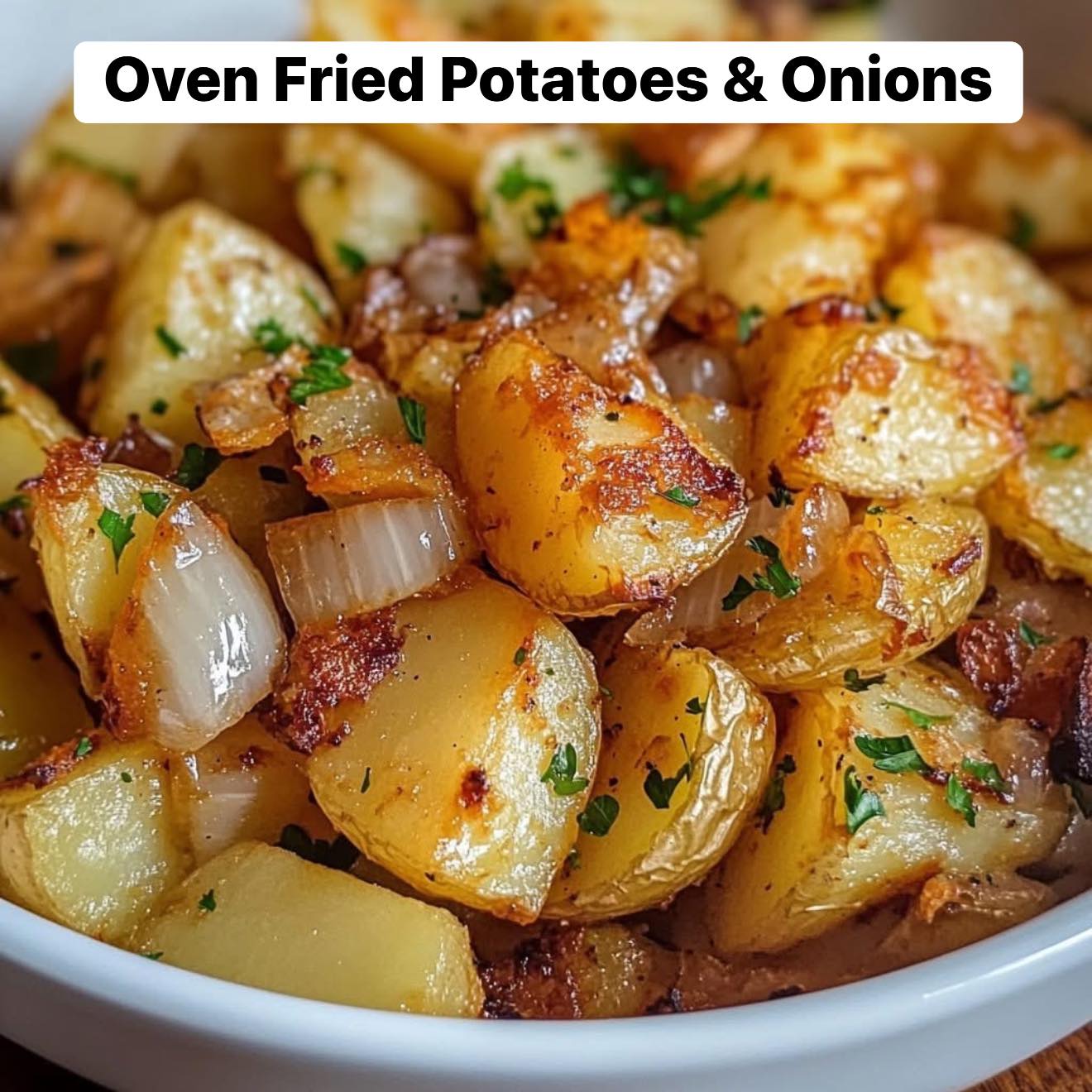
I spread the mixture in a single layer on my prepared baking sheet. This is crucial: if the pieces are crowded or piled on top of each other, they’ll steam instead of roast. I give them plenty of breathing room, even if it means using a second pan. I pop it in the hot oven and set a timer for 25 minutes. When it goes off, I pull the pan out—the smell is already amazing—and use my tongs to flip and stir everything around. This ensures even browning. Then, it goes back in for another 15-20 minutes until everything is deeply golden and crispy.
Pro Tips for Best Results
My number one tip is all about moisture. After you cut the potatoes, take an extra minute to pat them very dry with a clean kitchen towel or paper towels. I tested this both ways—straight from rinsing to the bowl versus thoroughly dried—and the batch I dried got significantly crispier. That surface moisture creates steam, which is the enemy of crunch. Taking this small, extra step makes a huge difference in the final texture.
Don’t be afraid of the salt and the oil. Potatoes need seasoning, and they need fat to carry that seasoning and to facilitate browning. I know 3 tablespoons of oil might seem like a lot, but it’s what allows the potatoes to achieve that glorious golden crust in the oven. If you skimp, they’ll be more prone to sticking and will simply bake rather than “fry.” Also, seasoning generously in the bowl is easier than trying to add enough salt evenly after they’re cooked.
That first flip at the 25-minute mark is your golden opportunity. This is when I check to see if anything is sticking and make sure the onions haven’t burnt on the bottom. Use a good metal spatula to really scrape under and flip the pieces. If things look a little pale, don’t worry—the second half of the cooking time is where the magic really happens and the color develops rapidly. I’ve learned to trust the process.
(See the next page below to continue…)